This is an excerpt from “Flippin’ Like A Pancake, Poppin’ Like A Cork”, the chapter of The Golden Age Of Children’s TV looking at imported children’s programmes, and in this particular extract looking specifically at several series that originated in America, Australia, New Zealand and Eastern Europe but which the BBC and to a lesser extent ITV effectively made their ‘own’. If you like the look of this, you can get The Golden Age Of Children’s TV from Waterstones here, Amazon here, from the Kindle Store here and directly from Black And White Publishing here, and if you’ve already read it and indeed liked it, why not leave a review to balance out that one from a reader who gave it two stars and complained that it was difficult to read whilst also complaining that it wasn’t difficultly written enough? You can also find a chat with Danny Kodicek about Big John, Little John on the accompanying The Golden Age Of Children’s TV podcast here.
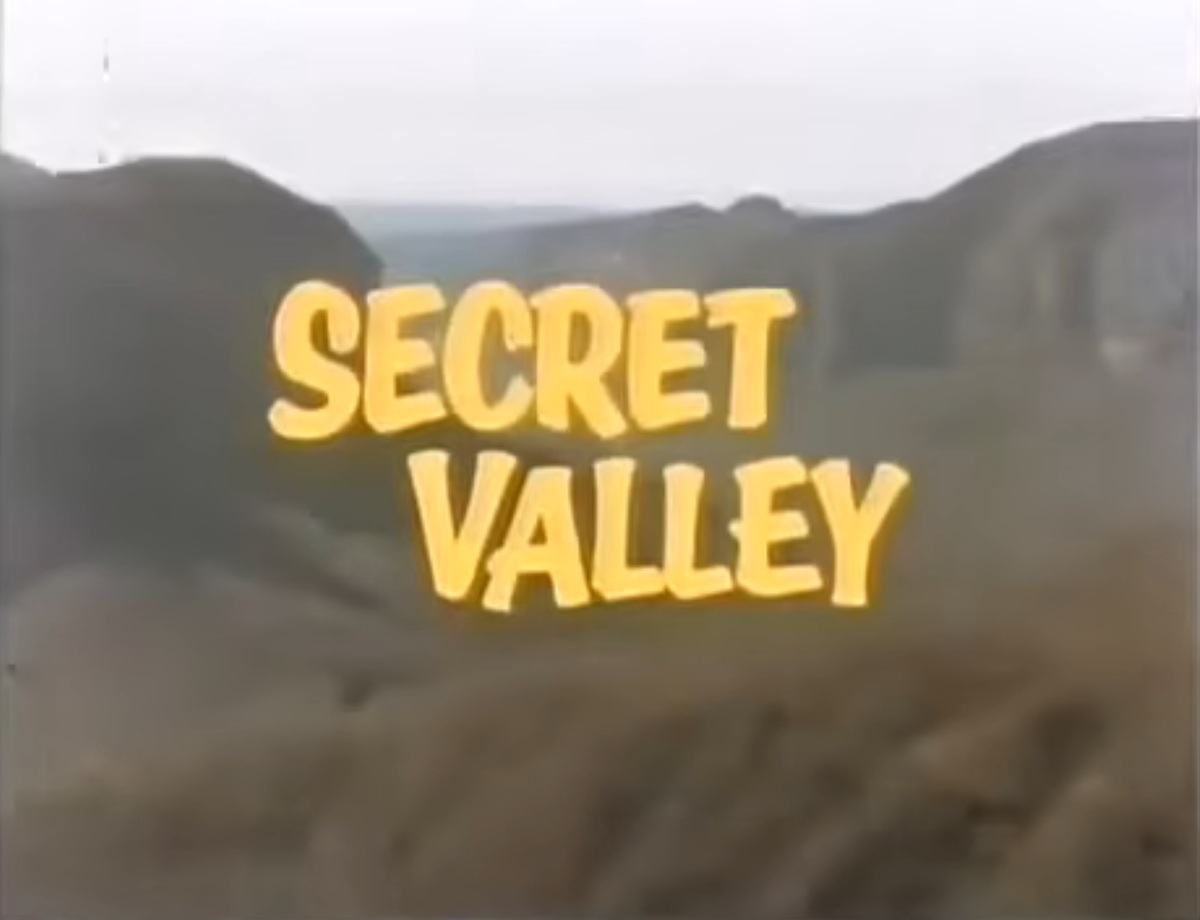
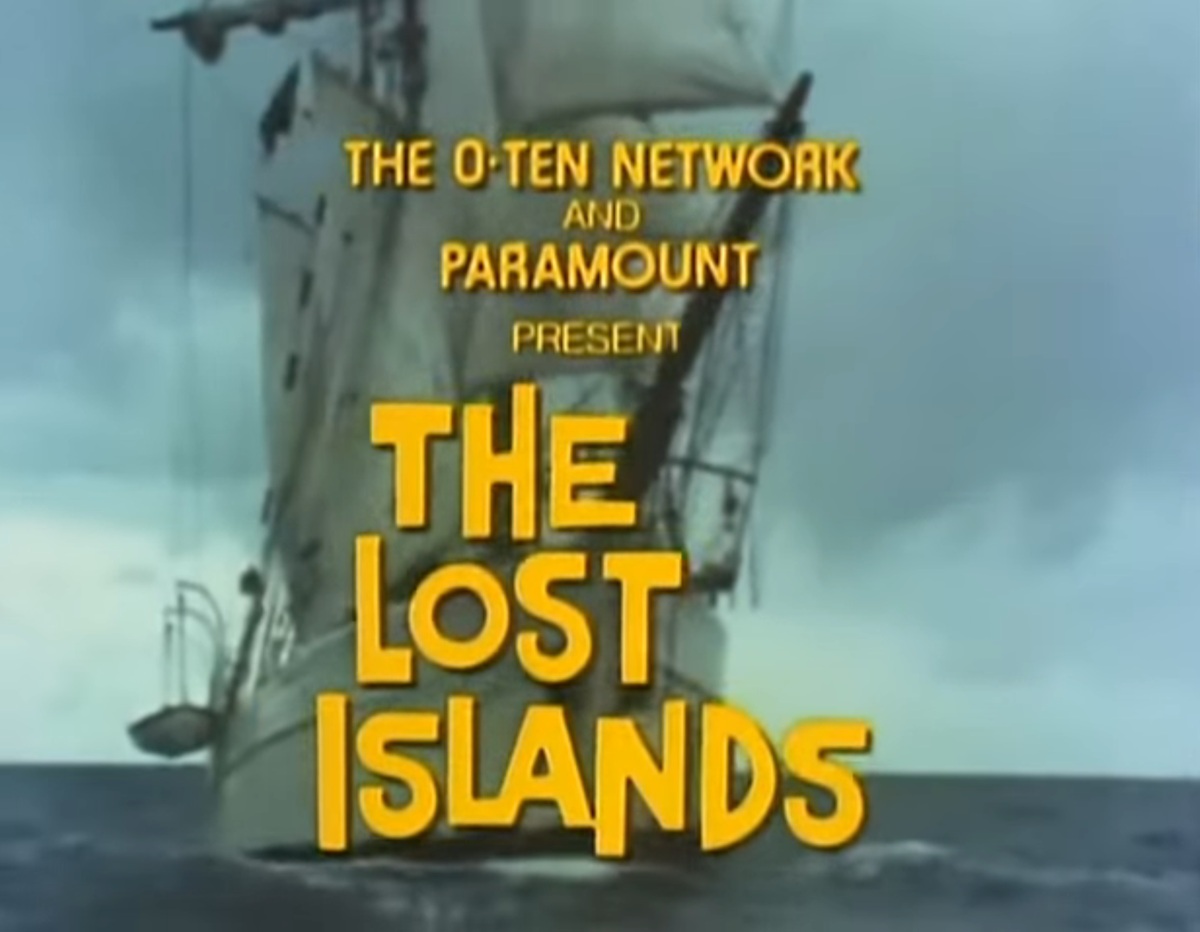
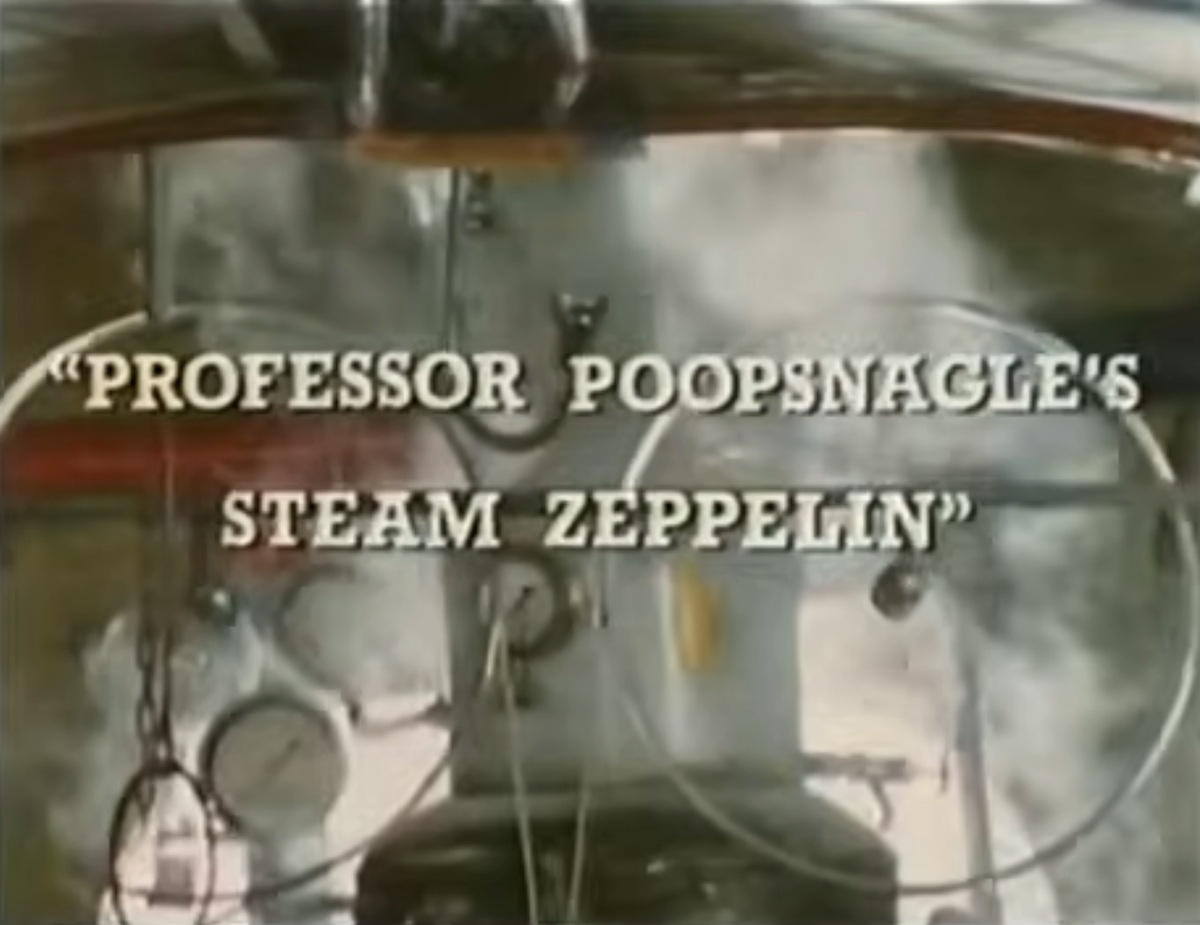
Over in Australia, television had stumbled across a suspiciously off-the-map community. Set up in unnecessary detail in the lengthy Scott Walker-soundalike theme song – which even incorporated an additional verse over the end credits – The Lost Islands (1976) was an edge-of-the-seat fantasy thriller about five child prodigies on a round-the-world voyage on board The United World in the name of international harmony, who found themselves swept overboard in a storm and washed up on the uncharted Pacific Island of Tambu, which unfortunately for them is populated by a society of quasi-medieval manual workers and their mysterious hooded glowing seaweed-powered master The Q, who fears the dangerous notions of intellect and freedom presented by Tony from Australia, Mark from England, David from America, Anna from Germany and Su-Yin from China, and perpetually schemes to throw them to the island’s colony of man-eating crabs. Introduced by a rewrite of Waltzing Matilda setting out a blueprint for child-driven global harmony, fellow ITV import Secret Valley (1980) was set in an abandoned holiday camp transformed into a rope bridge walkway-festooned mini-civilisation and beacon of self-sufficient social cohesion by a gang of local kids apparently entirely made up of future stars of Home and Away. There they find themselves having to constantly fend off the unwanted attentions of banished ne’er-do-well Spider McGurk and his gang and land-hungry local developer William Woppa, more often than not seen off with a barrage from their flourbomb-stocked battlements. Secret Valley itself also later acted as the setting for the decidedly odd Professor Poopsnagle’s Steam Zeppelin (1986), in which the kids set off to rescue an inventor held hostage by kidnappers intent on discovering the secrets of his neo-steam age technology.
The whistly theme-introduced Falcon Island (1981) followed the mixed flotsam and jetsam-scavenging fortunes of a pair of coastal siblings, while The Henderson Kids (1985–87) and their overwrought soft-rock vow to ‘carry on, together, every step of the way’ in fighting a local businessman’s crooked redevelopment plans turned up on Channel 4 later in the decade, by which time many of the cast – including one Kylie Minogue – could also be seen looking slightly older and significantly more famous in Home And Away and Neighbours. Meanwhile Kylie’s on- and off-screen beau Jason Donovan could be sighted in nineteenth-century fortune-seeking immigration drama Golden Pennies (1985), turn-of-the-century triumph over disability-related adversity saga I Can Jump Puddles (1981) and bluntly named children’s home hi-jinks Home (1983). There was a sense by then, though, that the well – or indeed the puddle – was long since run dry, and when the BBC picked up the decade-old Top Mates (1979) to show over the school holidays in 1989, nobody was really convinced. Over in New Zealand, the well-mannered if answering back-prone Children of Fire Mountain (1979) deployed a combination of pranks and sarcasm to foil plots to build supermarkets on sacred land and disrupt shady councillor Doomy Dwyer’s plans to sell outlawed ‘grog’ to the Māoris, while Children of the Dog Star (1984) tied Māori heritage to modish theories on ancient intergalactic travellers sent to ‘educate’ the earliest humans. With its feet more securely on the ground – or at least on the floor of an automobile – The Flying Kiwi (1979–81) joined a newly arrived English family on their adventures in the titular vintage car which was, sadly, not quite what its nickname implied.


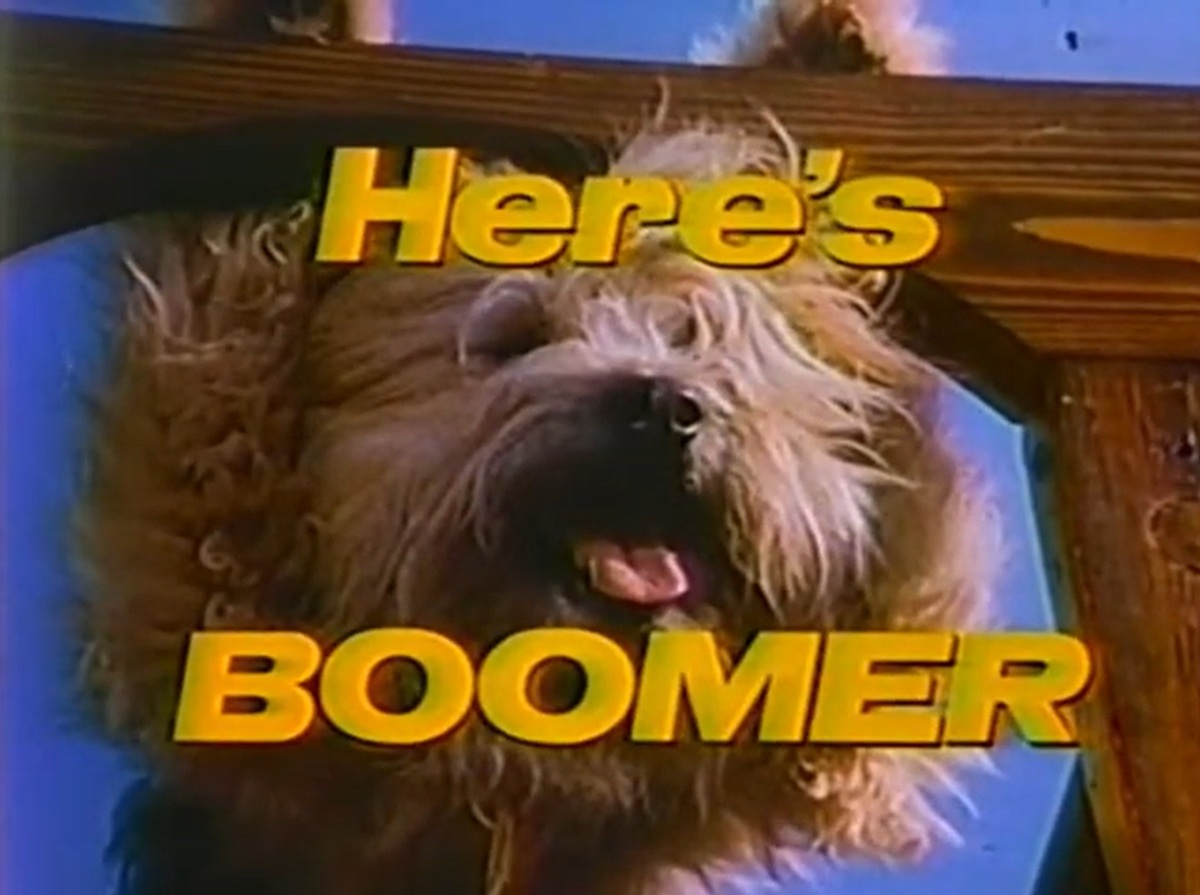
Juvenile Los Angeles-based crime-solvers The Red Hand Gang (1977) – Frankie, J.R., Joanne, Lil’ Bill and Doc – enjoyed one single series of skateboard and catcher’s mitt-fuelled adventures, with their investigations into a jewel thief posing as a sports star and a plot to train a chimp to steal valuable artworks going largely ignored in America. As if to add insult to injury, it was their canine sidekick who got his own roaming odd job spin-off show, Here’s Boomer (1979–82). When the BBC bought The Red Hand Gang in 1979, however, something about their rampages along sidewalks and through subways in pursuit of a good old-fashioned mystery – not to mention the naggingly insistent cast-on-trampoline-sung theme song – caught on in a big way and it was shown no fewer than six times. ITV – which might normally have seemed a more natural fit for the show – tried to get in on the action by buying Here’s Boomer, but it just didn’t take off in the same way, suggesting that it was maybe the novelty of seeing the BBC taking an unlikely show and making it ‘theirs’ that made it work. Tabitha (1977), a spin-off from legendary sitcom Bewitched, followed Darrin and Samantha’s half-witch teenage daughter as she attempted to make it in the broadcast industry without recourse to using her magical powers and ‘cheating’, and Big John, Little John (1976), a wild comedy about a hapless high school teacher who found himself saddled with a propensity to turn into his twelve-year-old self at inopportune moments after inadvertently taking a swig from the Fountain of Youth – as memorably outlined at considerable length in the opening theme – became similarly enduring hits on the BBC while remembered as little more than a footnote in the US. The Hardy Boys/Nancy Drew Mysteries (1977–79) paired two sets of teen detective sensations in alternating disco-era casebook entries of the week, with blow wave-sporting eye candy duo Parker Stevenson and Shaun Cassidy as Frank and Joe and Pamela Sue Martin doing her best big-eyed stopping running then looking around then starting running again acting as Nancy very much dividing their potential audience, albeit provoking a mass scramble for the front room whenever they teamed up. Most surprisingly of all, putative must-watch sensation California Fever (1979) came and went without proving anything of the sort. At least in America, where the feverish Californian lifestyle was all too everyday a prospect; when the BBC started showing it, however, viewers just couldn’t get enough of Ross, Vince and Laurie and their beach-hogging run-ins with hot rod hoodlums, police-baiting pirate radio stations and roller disco showdowns, interspersed with convergence on Zen-dispensing coffee shop Rick’s Place, to the extent that it was – daringly – shown apparently untampered with during the school Christmas holiday mornings, ‘racy’ storylines and all.


Elsewhere in the world, not everyone was enjoying as much freedom to catch waves, catch criminals and catch your boss dropping litter onto the floor and propelling it back into his hand by wiggling your nose, and some of the grimmer realities of life in the shadow of the Iron Curtain found their way into a series of BBC-bought children’s shows that would have kept grown adults up at night, drenched in arty camerawork and art-rock soundtracks. Shot in saturated primary tones that Dario Argento might have considered a bit much, Spain’s Oscar, Kina And The Laser (1978) sent an academically prodigious boy, his pet goose and a sentient beam of concentrated light – which could also make them ‘invisible’ for reasons that may have become lost in translation – to rescue the kidnapped son of a scientist. West Germany weighed in with The Legend Of Tim Tyler (1979), the saga of a boy who sold his infectious laugh to wealthy but lonely and unfulfilled industrialist the Baron, who found that the one thing money could not buy was a right good chortle. Based on a Jules Verne story, Czechoslovakia’s The Secret of Steel City (1979) chronicled a standoff between two steampunk-styled nations divided by their similarities over an eerily anachronistic arms race. It won numerous international awards, but it is probably safe to assume that one for allegorical subtlety was not amongst them.

Buy A Book!
There’s lots more about the The Red Hand Gang, The Secret Of Steel City, The Legend Of Tim Tyler, Big John, Little John, California Fever, Tabitha, The Lost Islands and dozens of other imported drama serials – many of which went on for twice as long despite being scarcely half as interesting – in The Golden Age Of Children’s TV, available in all good bookshops and from Waterstones here, Amazon here, from the Kindle Store here and directly from Black And White Publishing here.
Alternately, if you’re just feeling generous, you can buy me a coffee here. Careful Tabitha doesn’t mischievously make the spoon rotate backwards or something.
Further Reading
You can find further extracts from The Golden Age Of Children’s TV looking at The Adventure Game in Doogy Rev! here and Grange Hill in KEN-DALL! here.
Further Listening
You can find a chat with Danny Kodicek about Big John, Little John here as well as Looks Unfamiliar with Toby Hadoke on The Red Hand Gang here, Lisa Parker and Andrew Trowbridge on Big John, Little John here, Tim Worthington on California Fever here, Andy Lewis on The Secret Of Steel City here and Martin Ruddock on The Legend Of Tim Tyler here, as well as a chat with AlFsplaining about Here’s Boomer here. No we were not especially complimentary.
© Tim Worthington.
Please don’t copy this only with more italics and exclamation marks.

