This is an excerpt from “We Cannot Return Your Paintings”, the chapter of The Golden Age Of Children’s TV looking at the assorted and usually surprisingly long-running factual shows that punctuated the children’s schedules. If you like the look of this, you can get The Golden Age Of Children’s TV from Waterstones here, Amazon here, from the Kindle Store here and directly from Black And White Publishing here, and if you’ve already read it and indeed liked it, why not leave a review to complement the one that calls it “a brilliant book full of warm humour and interesting anecdotes told in a friendly, accessible manner, even the bit about Here’s Boomer“? You can also find a chat with Jane Hill about Blue Peter on the accompanying The Golden Age Of Children’s TV podcast here.
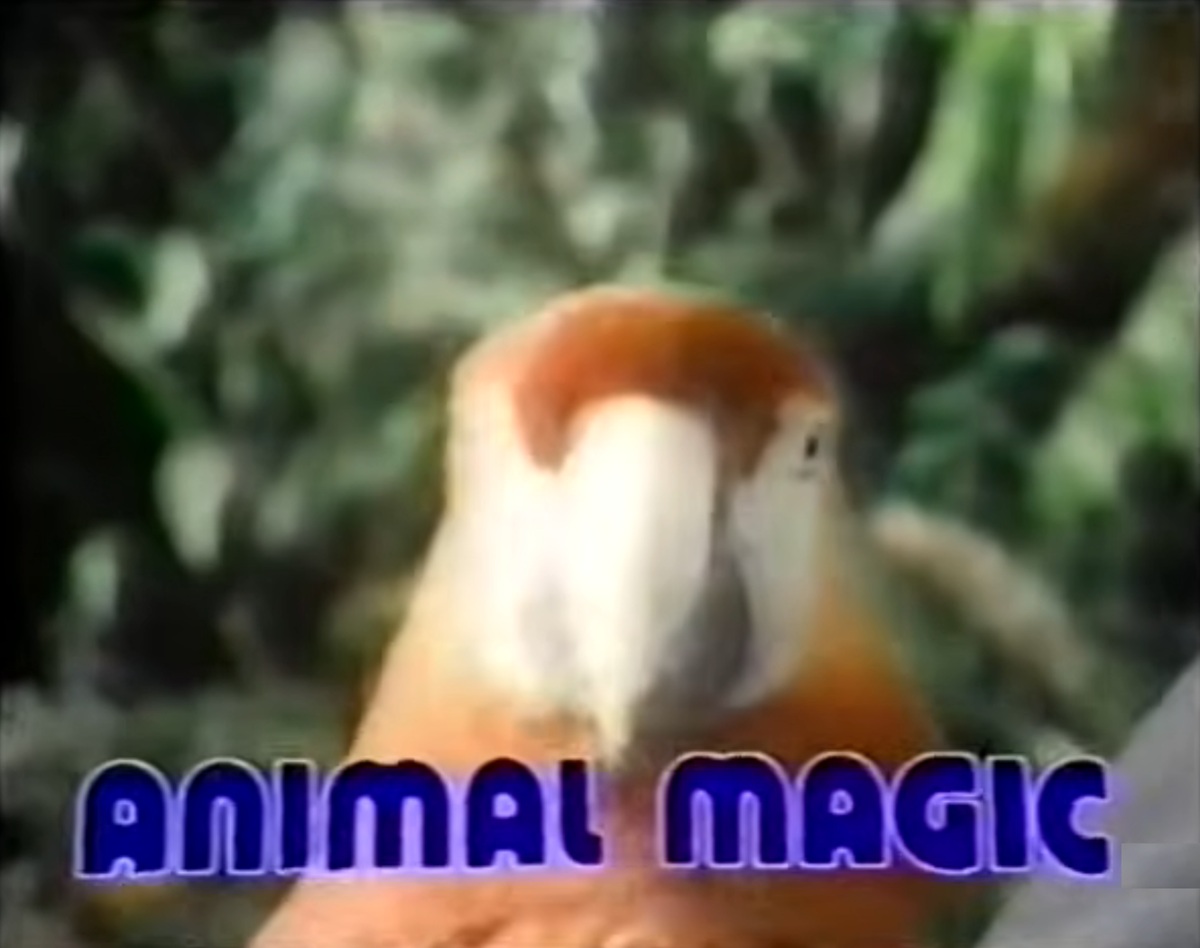
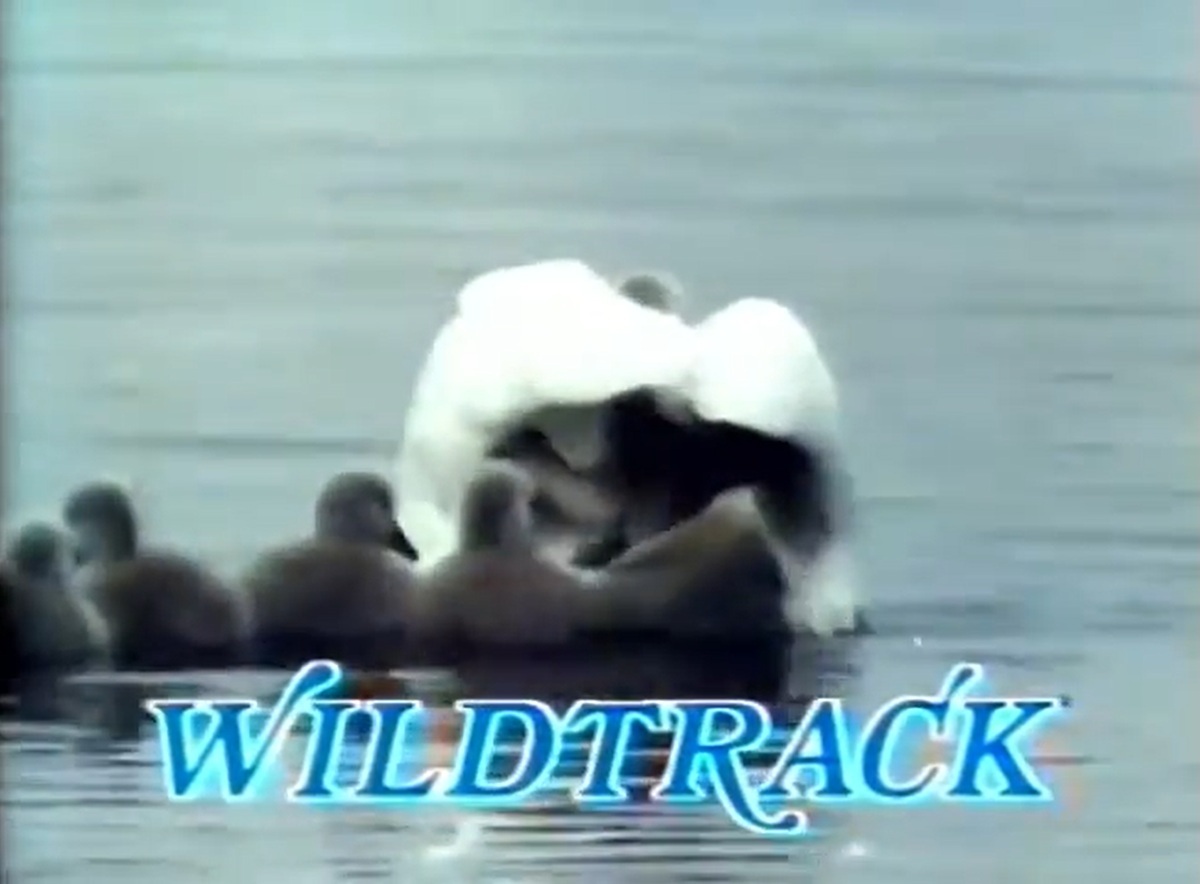
Filmed in and around Bristol Zoo, Animal Magic (BBC, 1962-83) saw ‘Keeper Morris’ add appropriate character voices to the animals he encountered, dispensing facts about the natural world in amongst the skidding polar bears exclaiming “look out below, fellars!”. Already well known to younger viewers for spinning semi-improvised comic yarns while standing next to a brazier as The Hot Chestnut Man (BBC, 1953-1961), Johnny Morris had a gift for finding characters and stories where others would just see animals minding their own business, and was only too happy to make himself the frequently-soaked hapless victim of the splashing penguins and squirting elephants. The format worked a literal charm for decades, with viewers little suspecting they were increasing their knowledge at the same time as laughing at the funny animal antics, though as the eighties loomed this approach was beginning to fall from favour. Various attempts at bringing the show up to date included refitting the original showbizzy theme music with an ill-advised light funk wah-wah arrangement, bringing in long-haired youthful co-presenter Terry Nutkins and the occasional mention of Space Invaders or special effects-assisted sub-sci-fi incursion into the undergrowth, not to mention Tom Baker showing up in-character and mid-adventure as Doctor Who to recount some of his weirder alien foes. Meanwhile, close associate Wildtrack (BBC, 1978-85) saw Tony Soper and Su Ingle hitting the trail with a more energetic to-camera style and a bizarre theme music choice of John Barry’s Florida Fantasy from Midnight Cowboy, but it was all but to little avail. In 1986, after over four hundred editions, Animal Magic gave way to The Really Wild Show (BBC, 1986-2006), presented by Terry Nutkins with the even younger and even more relatable Nicola Davies and punkily-haired Chris Packham and a sub-hip hop theme tune, which defied the usual youth-courting trajectory by becoming a massive favourite inspiring a postbag-challenging barrage of regular viewer correspondence. Last seen leading a choir through an interminable song about how to pronounce Gemini The Sealion’s name, poor old Keeper Morris never quite found his niche again.
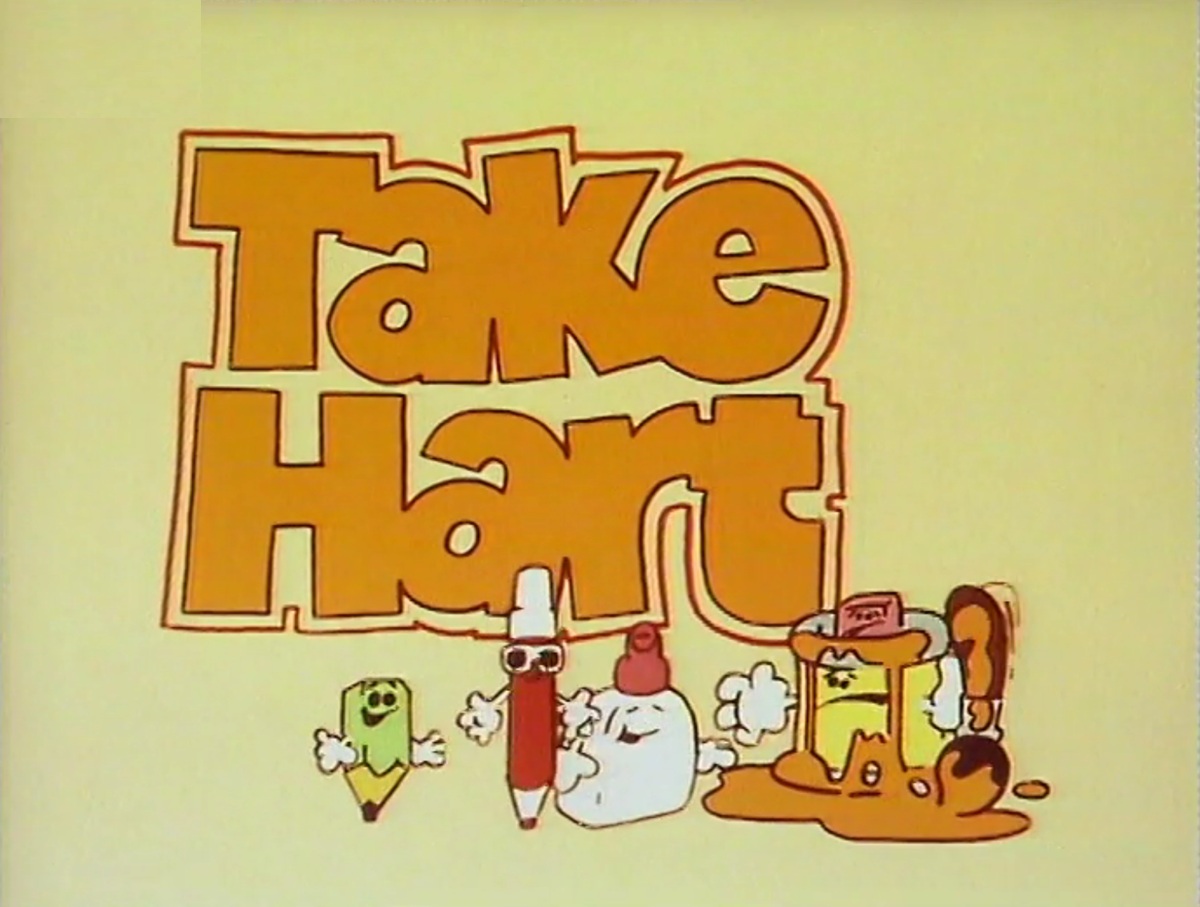
His contemporary Tony Hart, in contrast, seemed to have no such difficulty in adapting to changing times, usually by completely refusing to change his own idiosyncratic cravat-favouring demeanour and delighted reactions to the deployment of ‘our old friend pastel’. Already a familiar face from contributing to a variety of children’s shows both as a presenter and an artist – including designing the Blue Peter ship – Tony was a natural choice when the BBC were putting together a replacement for the well-meaning but possibly not quite well-meaning enough For Deaf Children (BBC, 1952-64). Inspired by research indicating that hearing-impaired viewers actually preferred Top Of The Pops, ever-inventive producer Patrick Dowling set about creating a show that adopted its fast-moving format and use of up-to-the-minute video trickery for a non-dialogue dependent parade of art, animation and sign-language comedy. Vision On (BBC, 1964-76) cast Tony and fellow presenters Pat Keysell, Ben Benison, Sylvester McCoy and Wilf Lunn into suitably abstract and absurdist – and largely wordless – studio-based situations punctuated by similarly abstract and absurdist animated inserts, notably the philosophical musings of Humphrey The Tortoise and squabbling grandfather clock-dwelling speech bubbles The Burbles, and David Cleveland’s silent scientific slapstick antics as ‘The Prof’. Activity was frequently interrupted by vain attempts to capture Sylvester’s high speed art-destroying fuzzy feather boa pet The Woofumpuss, Wilf’s inventions seldom helped to facilitate calm and order, and the only real respite from the glorious mayhem came in The Gallery, a parade of paintings sent in by viewers while jazzy library music played in the background and the audience at home scoffed in the belief that they ‘could do’ that. In the middle of all the madness, Tony – who also designed Vision On’s logo, a mirror-image of the title in the form of a creature nicknamed ‘Grog’ – gave simple yet ambitious demonstrations of fun art you could create yourself with the aid of just a few everyday objects, gradually revealing what he was painting or making in a relaxed but wry style with an uncanny ability to shorten or extend the process to fit the available screen time.
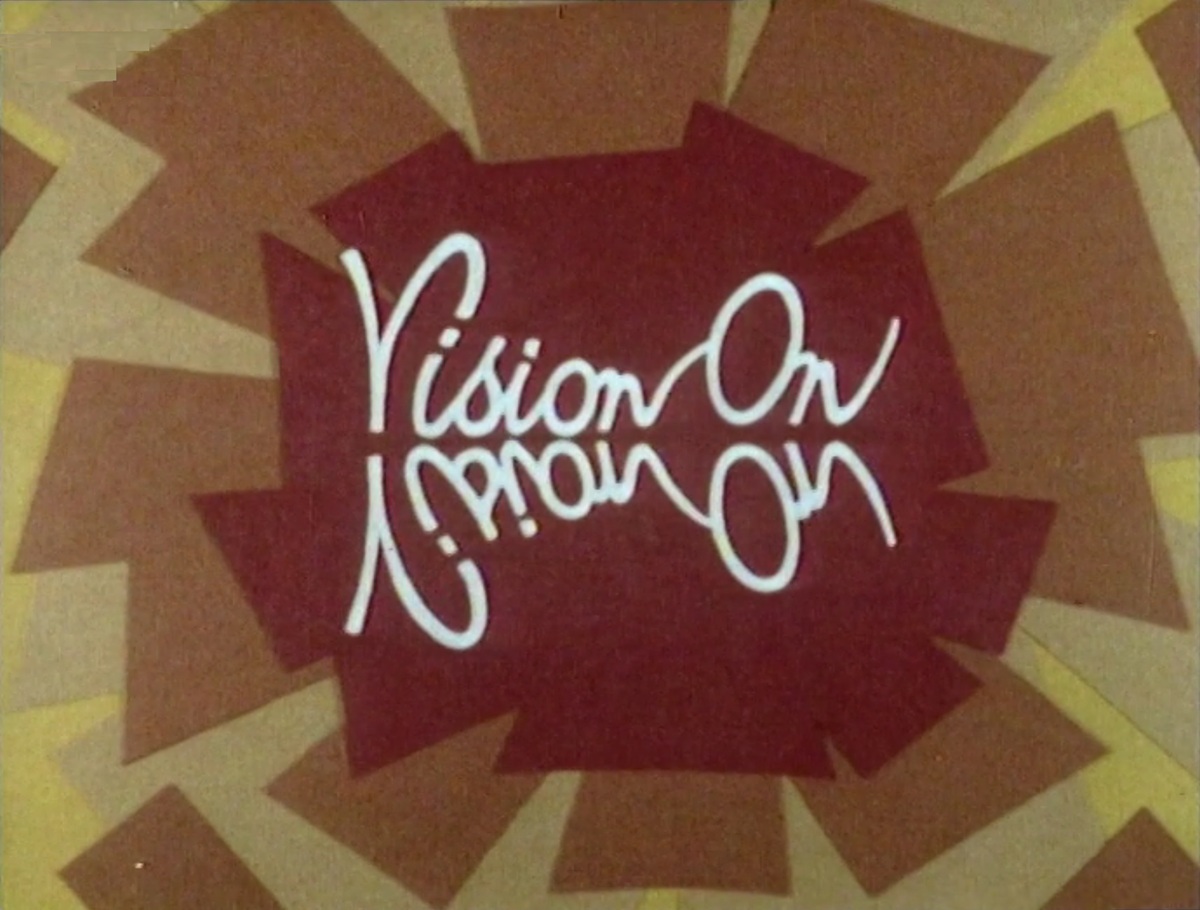
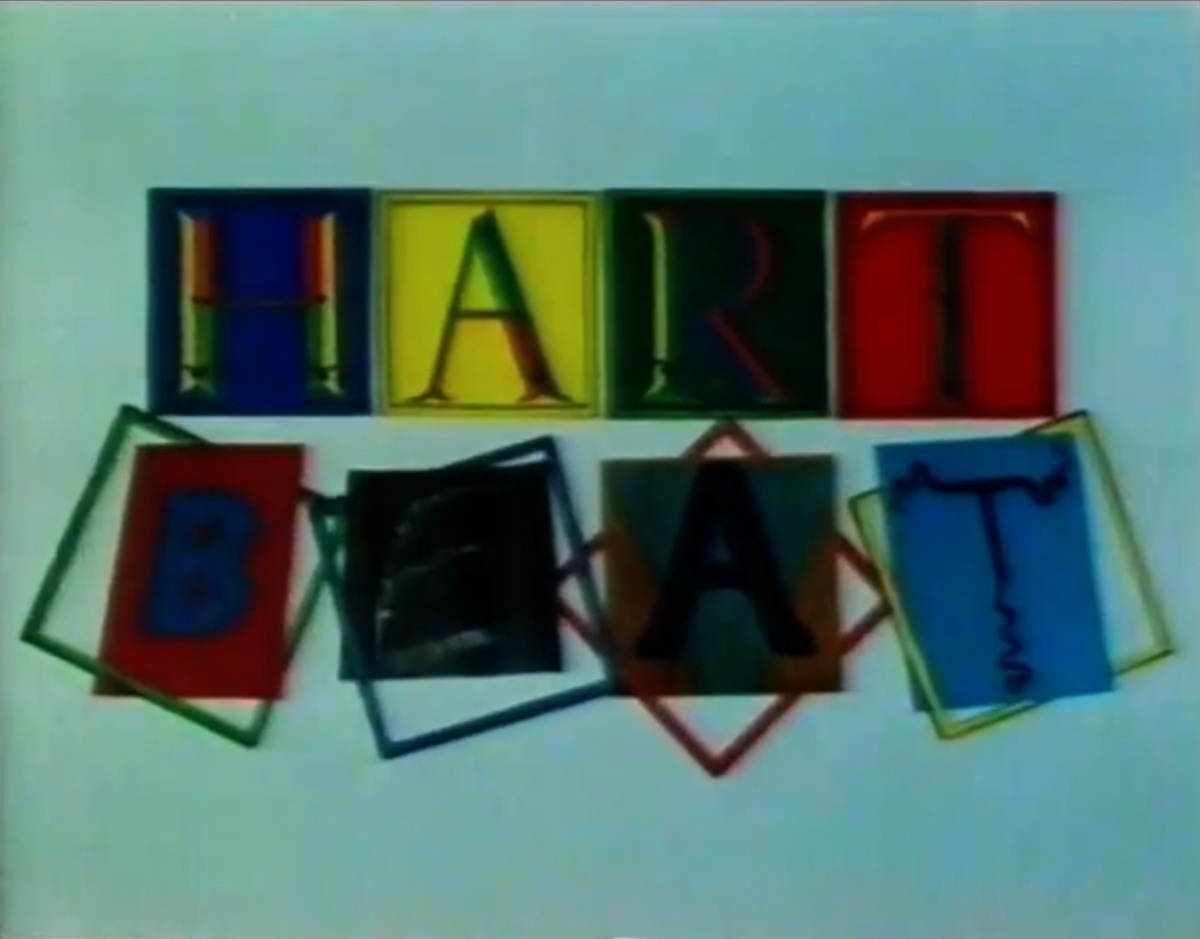
In fact there was a sense of relaxed wryness and jazzy library music all over Vision On, and combined with high concept comedy silliness and the unusual techniques favoured by the animators – many of whom had fled from the Eastern Bloc – it was about as cinematic as children’s television got. By the mid-seventies, however, that dash of style was starting to show its age a little, although the presenter who remained resolutely unfashionable throughout wasn’t. Take Hart (BBC, 1977-83) relocated Tony and The Gallery – now disconcertingly accompanied by John Williams’ Cavatina, also more famously used as the theme from The Deer Hunter – to a somewhat more conventional art studio, where he attempted to explain technique and form around continual interruptions from well-meaning accident-prone caretaker Colin Bennett and paintbrush box-dwelling plasticine man Morph. Created by animators Peter Lord and David Sproxton, the chirpy but quick-tempered nonsense-babbling shape-changer appeared in short filmed inserts, generally wreaking havoc with items on the art desk while attempting to ‘help’ Tony, but quickly became a star in his own right, especially once he was joined by his reflection-turned-rival Chas, and eventually graduated to his own series. Originally introduced by a catchy theme song from British jazz legend Georgie Fame – replaced for repeats by a raspy synth instrumental due to rights complications – The Amazing Adventures Of Morph (BBC, 1980-81) saw the duo and Tony joined by a host of other art material friends including Grandmorph, Delilah, Gillespie, Folly, Gobbledygook, The Very Small Creatures and Morph’s eccentric ‘dog’ Nailbrush for a series of suitably art critic-testing off-the-wall adventures in the pre-news slot. Then in 1984, with Take Hart itself starting to look a little dated in the face of an imminent Children’s BBC relaunch, Tony, Morph and Mr. Bennett were simply moved over to Hart Beat (BBC, 1984-93), a more updated version of the existing format with electronic music, early computer animation effects, and the addition of a team of young co-artists with experience of the fashion and textile industries including Margot Wilson, Joanna Kirk, Gabrielle Bradshaw, Alison Millar and Liza Brown. All of which might well sound like a desperate attempt to appear trendy and stay relevant but it was a revamp that really did work; Hartbeat was the most popular of Tony Hart’s shows by far and he remained a much-loved cornerstone of children’s television right through to his retirement.
Buy A Book!
There’s lots more about Take Hart, Vision On, Hart Beat, Animal Magic, Wildtrack and tons of other shows that remembered to include the ‘fun’ part in making learning fun – and plenty more that didn’t – in The Golden Age Of Children’s TV, available in all good bookshops and from Waterstones here, Amazon here, from the Kindle Store here and directly from Black And White Publishing here.
Alternately, if you’re just feeling generous, you can buy me a coffee here. Don’t let Tony Hart near the coffee grounds though. He’ll just try painting with them.
Further Reading
There’s more about a certain jazz organist’s slightly more credible career moves in Sweet Georgie Fame here.
Further Listening
You can find a chat with Jane Hill about Blue Peter on The Golden Age Of Children’s TV here.

© Tim Worthington.
Please don’t copy this only with more italics and exclamation marks.

