
This is an excerpt from “Through The Arched Window”, the chapter of The Golden Age Of Children’s TV looking at pre-school and storytelling shows. If you like the look of this, you can get The Golden Age Of Children’s TV from Waterstones here, Amazon here, from the Kindle Store here and directly from Black And White Publishing here, and if you’ve already read it and indeed liked it, why not leave a review to complement that states that the only drawback is the time and money you will have to invest in tracking down DVDs of the shows mentioned in the book? You can also find a chat with Ricardo Autobahn about Rainbow on the accompanying The Golden Age Of Children’s TV podcast here as well as Phil Norman on Pipkins here.
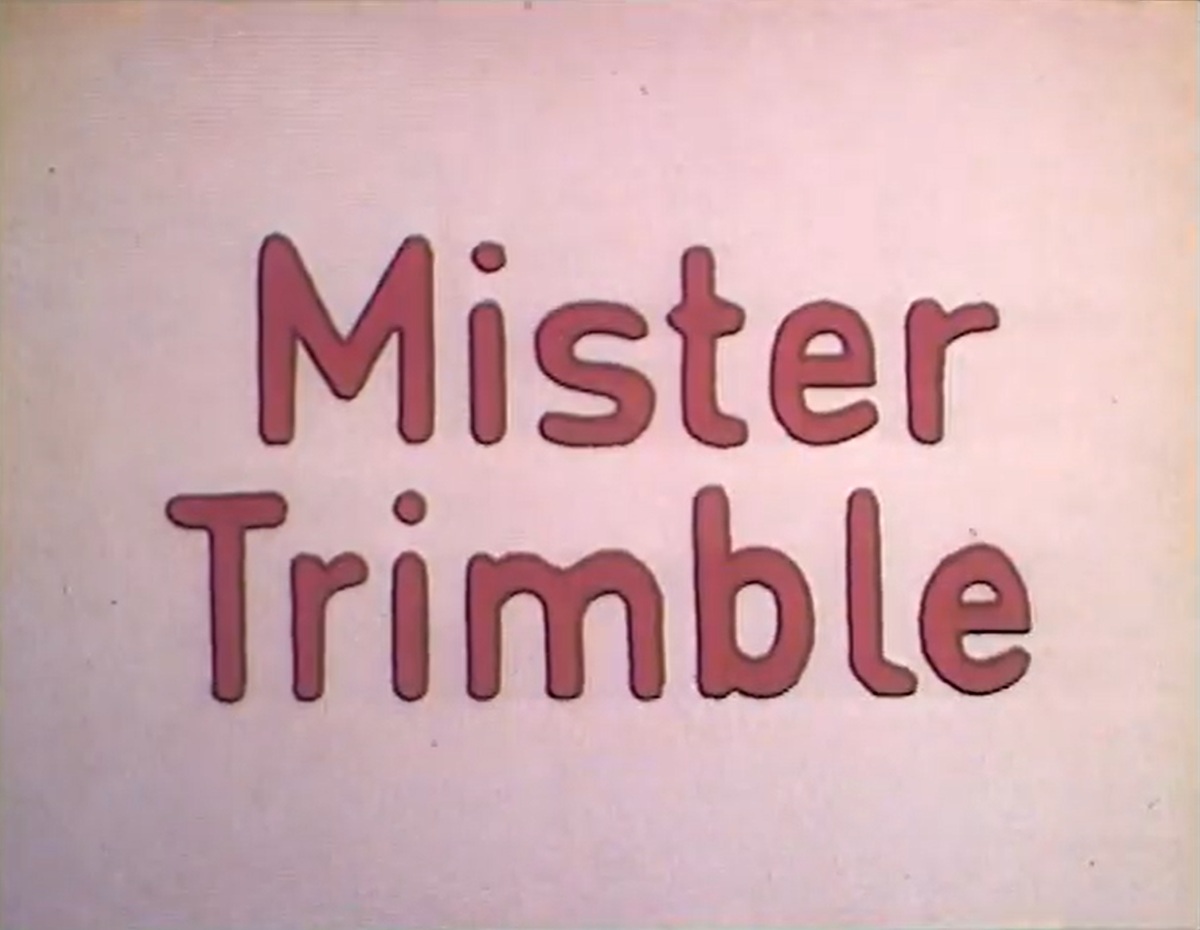
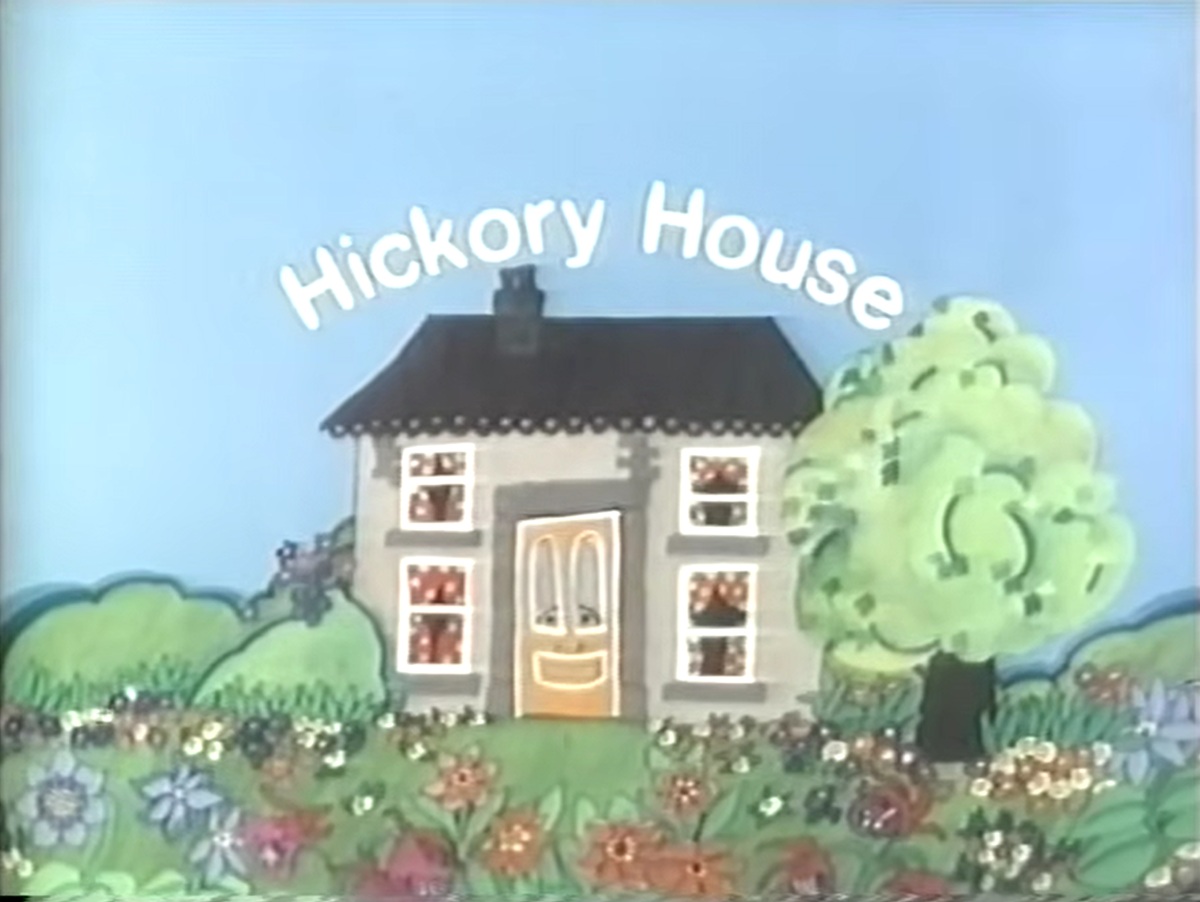
In October 1972, ITV had been granted permission to expand its broadcasting hours to run a full afternoon service, and one of the IBA’s conditions was that a proper structured lineup of educational broadcasting for the under-fives formed part of it. The various ITV regional broadcasters were invited to submit programme ideas, and Yorkshire Television weighed in with Mister Trimble (ITV, 1973-77), presented by Tony Boden in the guise of an eccentric inventor who watched short educational filmed inserts through his magic telescope, aided and abetted by talking goldfish Glug and an early boy band-style pop group who lived downstairs. Introduced by a sprightly flutey theme and the Granada logo redrawing itself into the titular smiling-doored abode, Hickory House (ITV, 1973-77) variously featured Amanda Barrie, Louise Hall-Taylor, Nicolette Chaffey and Julie North as the custodians of house full of talking household implements led by grouchy Dusty Mop and indolent Humphrey Cushion, with Alan Rothwell as their resolutely unchanging hand-lending neighbour. True anarchy, however, could only be found in a very different house full of puppets further along the M6.
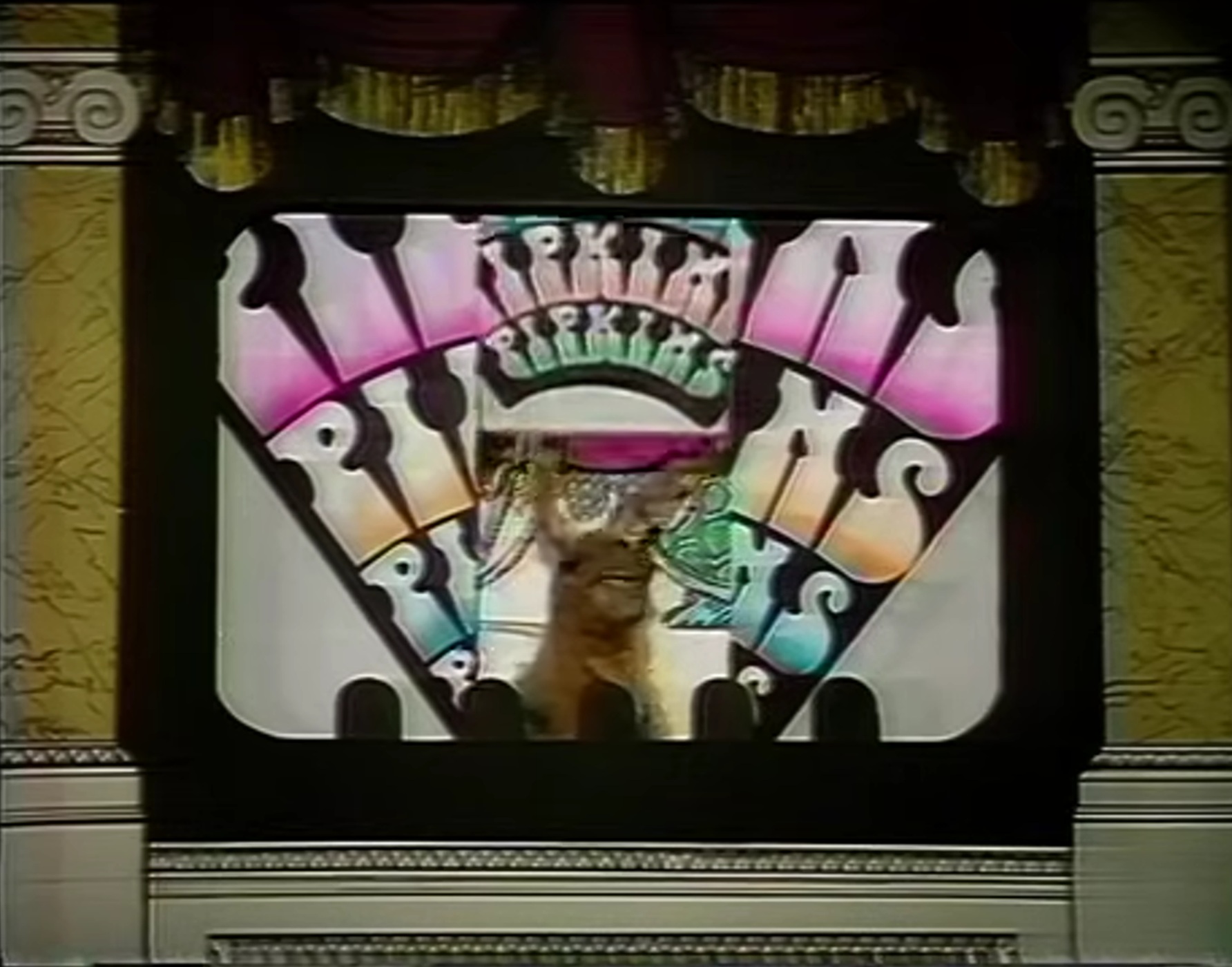
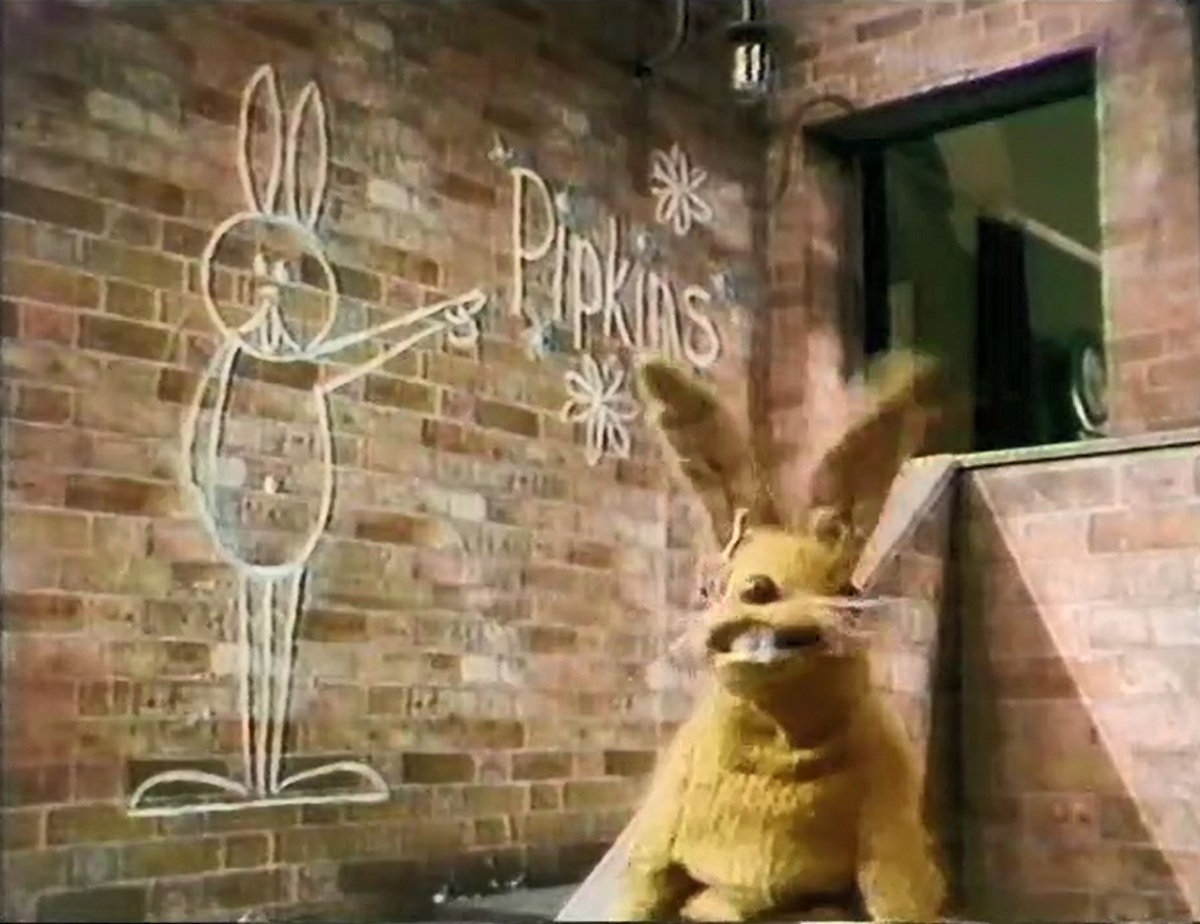
ATV’s Pipkins (ITV, 1973-81) began as Inigo Pipkin, with George Woodbridge as the oddly-monickered puppet maker whose creations – intentionally if child-unnervingly made out of scraps and leftovers with a deliberately unpolished look – had a habit of attaining sentience with unpredictable personalities. Lugubrious treasurer Tortoise, food-fixated Brummie inventor Pig, highly strung diva ostrich Octavia, chirpy and eager to learn monkey Topov, marionette medic Doctor Stethoscope and laconic Irish badger Mooney would all wind up lending a hand around the workshop, but it was Hartley Hare who was the real star of the show. Vain, arrogant, temperamental and as cynical as any pundit on a late-night BBC2 arts show, Hartley nonetheless had a heart of gold and a desire to please, and was generally both the cause of and the solution to all of everyone’s problems. With a catchy and extremely early seventies theme song, the show was a hit from the outset. Inigo Pipkin had been in production for less than a year when George Woodbridge sadly died, and from 1974 the series was known as Pipkins. In Inigo’s absence – which was actually noted on screen – the puppets formed a charitable organisation named The Help People with the aid of Wayne Laryea as Mr. Pipkin’s former assistant Johnny. When he eventually had to leave, the puppets took to the streets with banners reading ‘WE NEED ANOTHER JOHNNY!’, somehow ending up recruiting Jonathan Kydd as Tom, who in turn would be replaced by Paddy O’Hagan as Peter with Sue Nicholls as next door neighbour Mrs. Muddle. As their unusual recruitment methods might suggest, Pipkins was anything but an average run-of-the-mill lunchtime children’s programme. The storylines may always have had an educational intent or a moral to relate, invariably leading towards it being underlined in no uncertain terms by a loud psychedelic animation of chiming clocks announcing that it was ‘TIME…’ for a story, but they were frequently absurdist and lightly satirical, often involving madcap outdoor sequences filmed with bewildered onlookers in the background, and everyone involved seemed to actually be aware that they were in a television programme. Indeed, when Pipkins finally concluded after ATV lost their ITV franchise in 1981, Hartley simply informed viewers in an aside to the camera that next week, there would be ‘a new programme with new people’. Let’s Pretend (ITV, 1982-88) may have been introduced by a funnel-nosed caterpillar puppet making inquisitive synthesiser noises at the episode’s key prop – although the earliest instalments had the props being scoffed by a cardboard whale at the end of a conveyer belt – and a huge cast of prop-wielding pretenders telling entertaining stories, but somehow, it was just never quite the same.
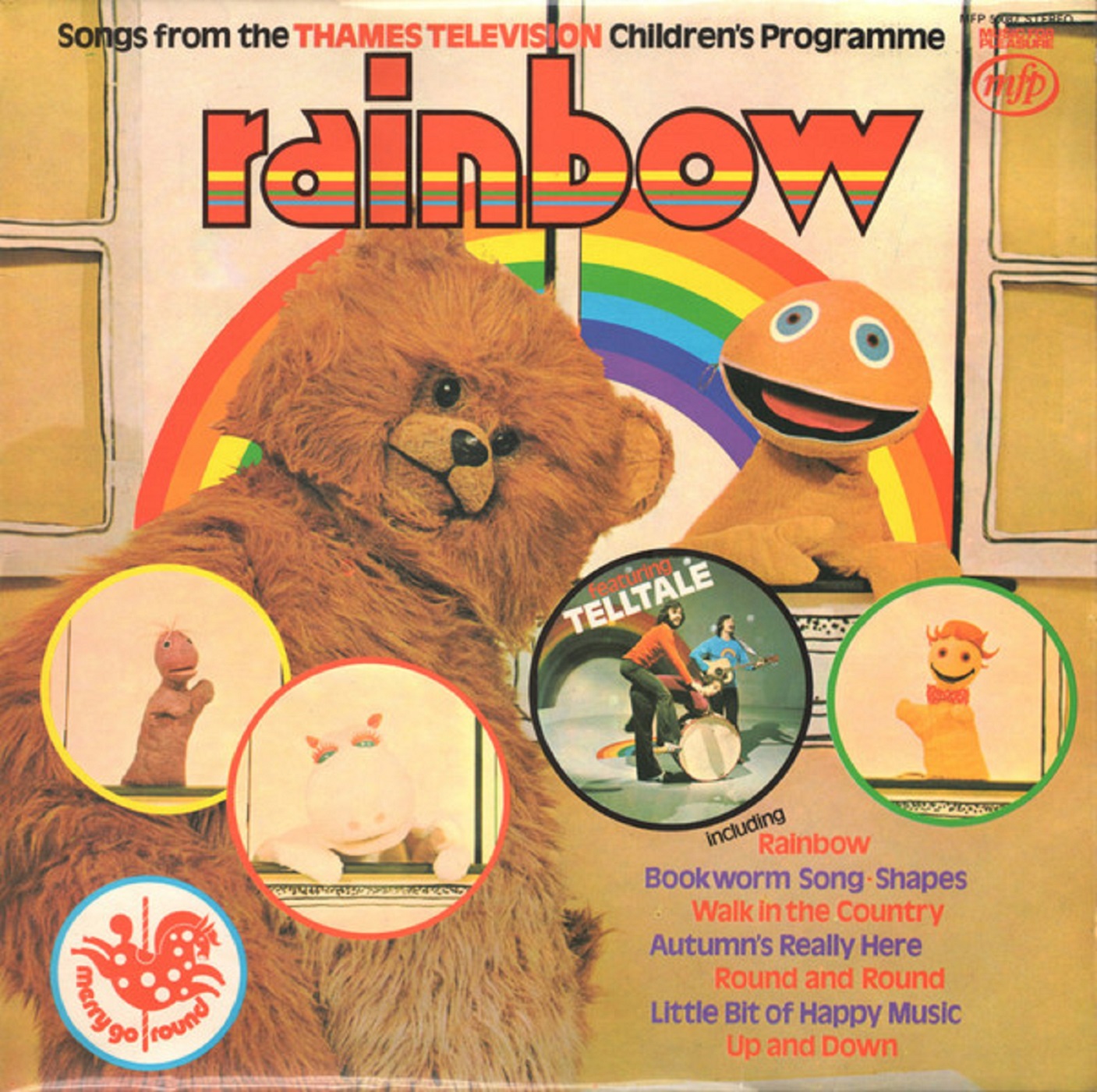
The real success story, however, was Thames’ Rainbow, first seen on 16th October 1972. Despite also being set in a ‘house’ that bore a suspicious resemblance to a sparsely furnished television studio with guest storytellers and documentary films, Rainbow set out to be as distinct from its BBC counterpart Play School as possible, deploying vaguely fashionable designs, animation and music and built around comic interaction with scarcely describable puppets – although it looked a little different at first. Rainbow was originally presented by David Cook and two hand puppets –cheery Sunshine and melancholy Moony – with music from seven-piece psych-folk band Telltale, who also provided the celebrated Rainbow theme, complete with prog-styled hallucinogenic interludes in the rarely-heard full version. As the series progressed, however, two background characters began to become more popular with viewers – a well-meaning but naive human-sized bear named Bungle and a loudmouthed naughty boy-type creature with a zip fastener for a mouth, Zippy. According to Rainbow’s initial publicity, Zippy was actually supposed to be a snake – presumably from a sub-species that was hunted to near extinction as the only natural source of zip fasteners.
Sunshine and Moony were gradually phased out and replaced by Bungle and Zippy and the latter’s newly introduced friend, a shy pink hippo named George. Telltale initially handed over Charlie Dore, Karl Johnson and Julian Littman – who also provided the theme song for BBC schools’ show You And Me (BBC, 1974-92) – and then the first iteration of a trio who would come to define Rainbow for many. Rod Burton, Jane Tucker and Matthew Corbett joined in 1974, as did a new presenter who it would turn out had some unfortunate history with one of the band. In his repertory theatre days, Geoffrey Hayes had appeared in a play alongside Matthew, who had to leave suddenly to help his father Harry – the human associate of popular puppet bear Sooty – with a stage show, An aghast Geoffrey had expressed a disbelief that anyone could ever sell their artistic soul and work with puppets; reportedly, the two somehow managed to avoid ever raising the orange bear in the room with each other. Matthew left to take over full time Sooty-handling duties in 1976, upon which Rod, Jane And Matt became Rod, Jane And Roger with the addition of Roger Walker, , who in turn left in 1980 to be replaced by Freddy Marks. A drama school contemporary of Peter Davison and Brad in one of the earliest productions of The Rocky Horror Show, Freddy seemed to bring an extra spark to the triple-act, and most people have now forgotten that there was any other iteration of Rod, Jane And. Increasingly incorporated into the actual storylines of Rainbow rather than just appearing in their musical segments, Rod, Jane And Freddy became so popular that they were given their own spinoff series casting them in self-written surreal fairy tale-like scenarios; Rod, Jane And Freddy (ITV, 1981-91) would clock up a staggering one hundred and twenty episodes.
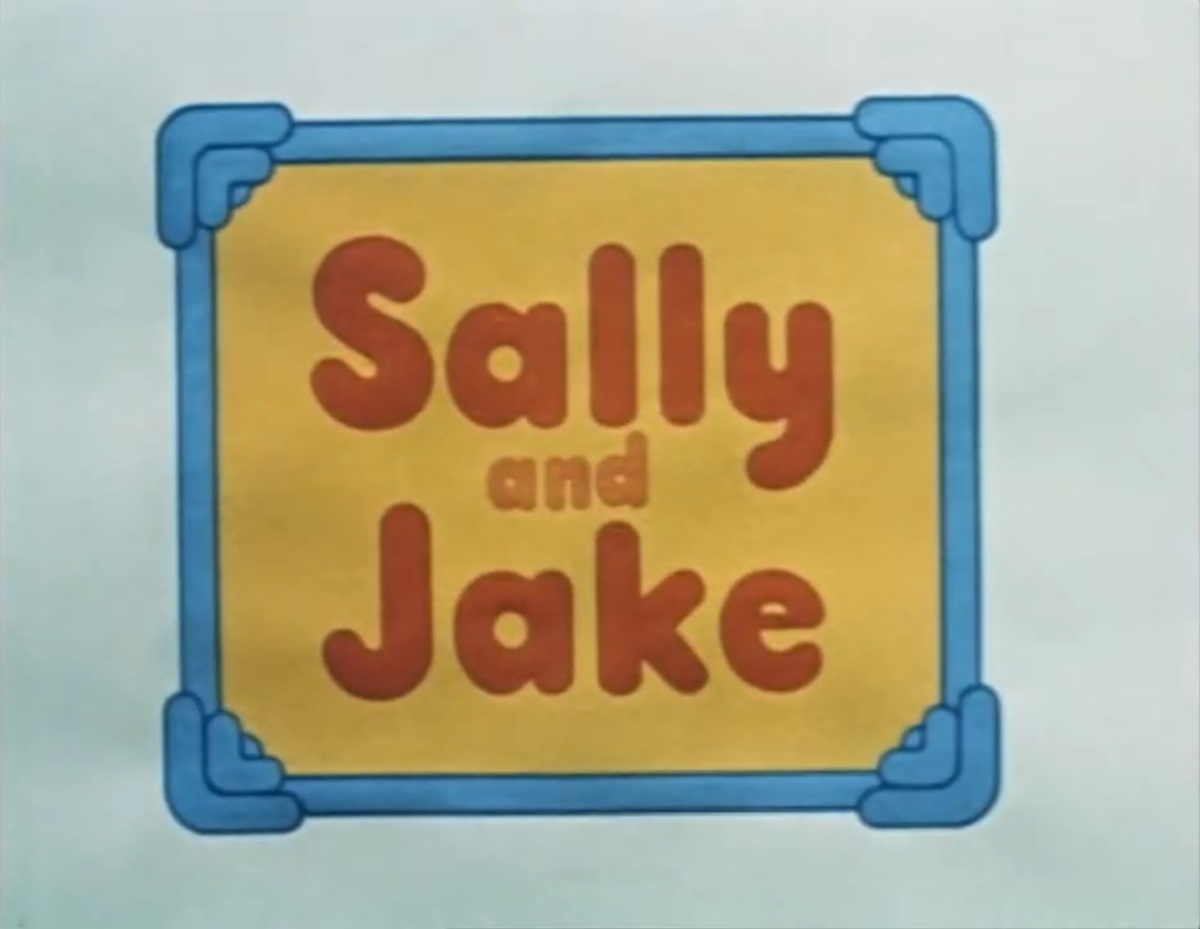
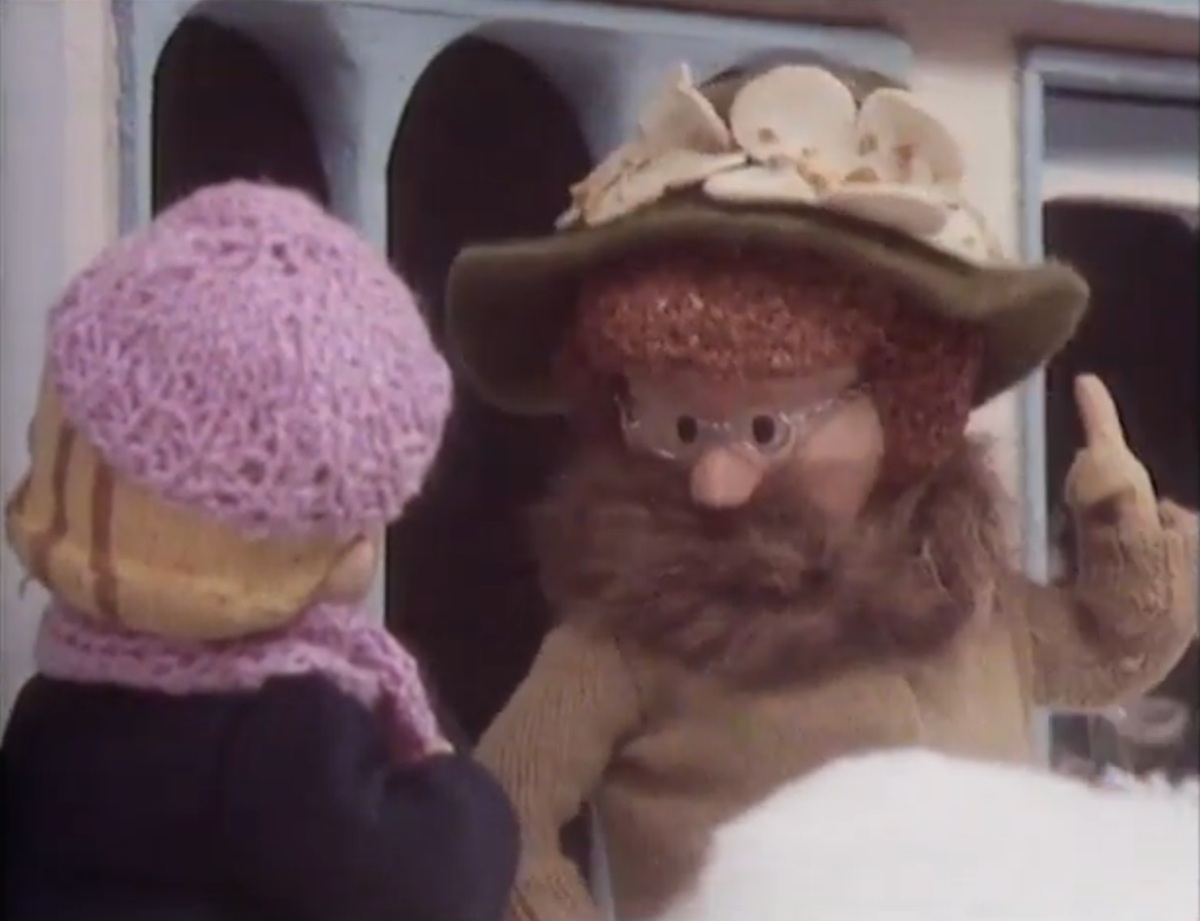
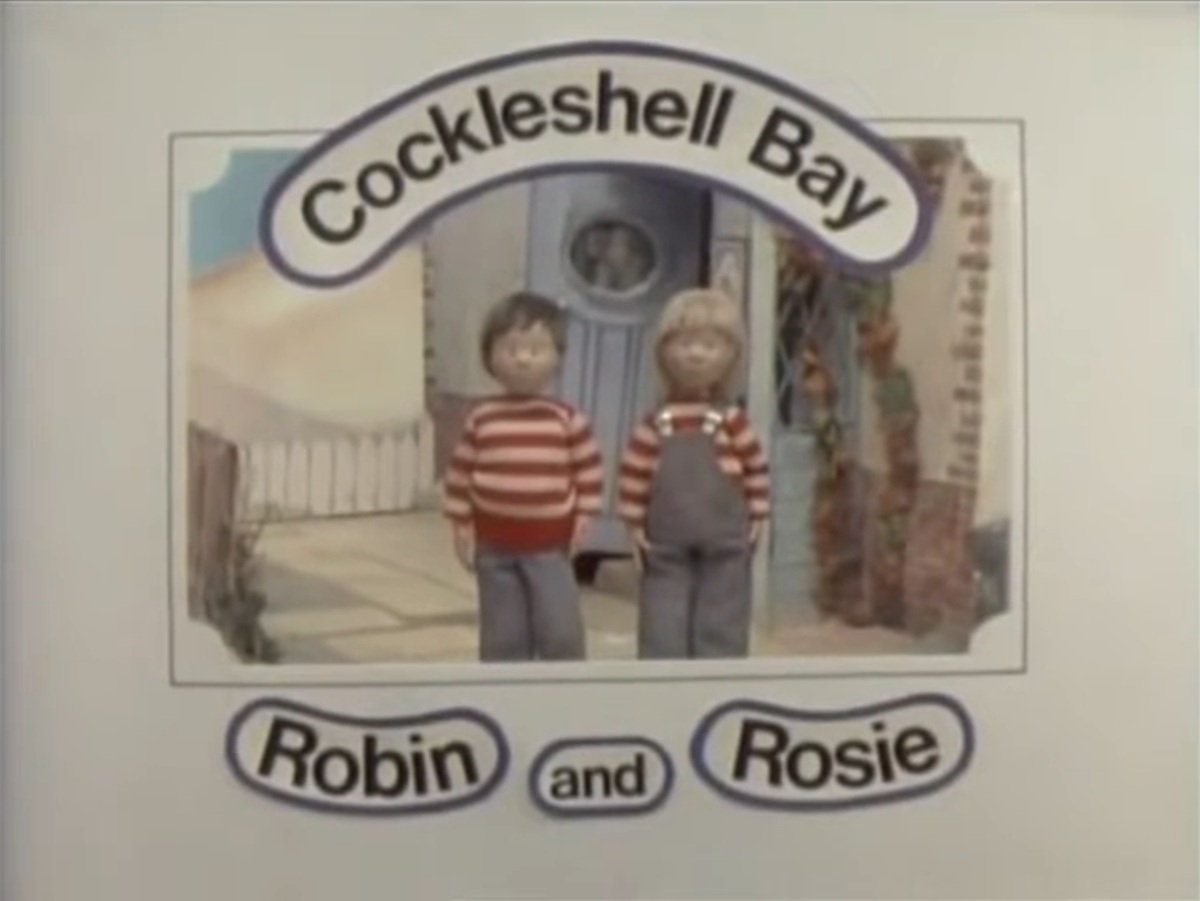
This wasn’t the only spinoff from Rainbow; Cosgrove Hall, who contributed various drawn animations including the opening titles and the ‘lines and shapes’ sequences, also came up with several stop-motion inserts that graduated to series in their own right. Introduced by a jaunty folk-pop song written by former Herman’s Hermits guitarist Keith Hopwood, brother and sister Sally And Jake (1973-74) were always keen to help out the adults in their hometown Dimbledale, with the debatable assistance of their spectacularly indolent and aptly named pet cat Sly. Public-spirited old dear Grandma Bricks Of Swallow Street (1977) was forever encouraging her ethnically diverse assortment of neighbours to get together and have a grand old day out, while Robin and Rosie Cockle’s family had moved from the heart of the city to Cockleshell Bay (1980-86), who in a neat inversion of Sally and Jake’s situation were always having to look for something to do in their more sedate surroundings. More often than not, that ‘something’ was precipitated by the activities of pastie-nabbing seagull menace Ben Gunn.
Rainbow was the show that endured, but other storytelling shows would join the line-up including Yorkshire’s Valerie Pitts-fronted animated Edwardian bathing frog-introduced Gammon And Spinach (ITV, 1977-83) and the marginally higher concept Stepping Stones (ITV, 1976) with Elisabeth Sladen and Keith Barron, Granada’s tree-stump based Once Upon A Time (ITV, 1979-82) as variously hosted by Peter Davison and early sixties pop star Mark Wynter, and mop-free Hickory House replacement Daisy, Daisy (ITV, 1978) with Alan Rothwell and Jan Harvey. Meanwhile, viewers in Wales had their time-honoured ‘own programmes’ including HTV’s cave-set collection of oddball characters in oddball costumes Miri Mawr (ITV, 1972-78) and the jubilantly introduced Ffalabalam (ITV, 1980-89), set in a model village towered over by the human presenters, which would case much consternation to non-Welsh speaking viewers when they had to be parachuted into their region due to a transmitter fault.
None of them ever quite came close to rivalling Rainbow, but Even a generous observer would have remarked that it was starting to look a little out of step by the late eighties. Rainbow nonetheless ploughed relentlessly on, and not without good reason. The generation that had grown up watching Geoffrey and company were now teenagers and students and had come to embrace the show with irony-laden nostalgia, more often than not accompanied by distinctly off-colour jokes about the cast and settings. The show itself had barely changed in over a decade – even the original theme and the by now crumbly-looking animated titles were still in place – and this not only arguably neglected its intended audience while pandering to another one altogether, it also made it more vulnerable to the whims of the ‘top brass’. When Thames lost the weekday franchise for the London ITV region in 1991, their successors Carlton were not interested in Rainbow, and the final edition abruptly went out on 6th March 1992. A million student unions promptly organised petitions but to little avail – an independently produced reboot with the puppets and newcomer blue rabbit Cleo now working in a toy shop came and went in 1993 without anyone really noticing – and the tabloids would take great vindictive delight in reports that poor old Geoffrey had been spotted working in a supermarket.
Buy A Book!
There’s lots more about Rainbow and Pipkins – along with tons of other considerably less well-remembered regulars from the ITV and BBC lunchtime slots – in The Golden Age Of Children’s TV, available in all good bookshops and from Waterstones here, Amazon here, from the Kindle Store here and directly from Black And White Publishing here.
Alternately, if you’re just feeling generous, you can buy me a coffee here. There was probably a Rod, Jane And Freddy where they were made to keep sweeping the yard in ‘Nonsense Land’ by a giant cup of coffee or something, but don’t let that put you off.
Further Reading
You can find out all about what happened in that very last episode of Pipkins – and why it might well be more relevant in the age of streaming than we might realise – in A New Programme With New People here.
Further Listening
You can find chats in The Golden Age Of Children’s TV with Ricardo Autobahn about Rainbow here and Phil Norman about Pipkins here.
© Tim Worthington.
Please don’t copy this only with more italics and exclamation marks.

