This is an excerpt from “Give Me A P! Give Me An L! Give Me An A! Give Me A Y!”, the chapter of The Golden Age Of Children’s TV looking at the long history of comedy shows in the children’s television schedules. If you like the look of this, you can get The Golden Age Of Children’s TV from Waterstones here, Amazon here, from the Kindle Store here and directly from Black And White Publishing here, and if you’ve already read it and indeed liked it, why not leave a review to complement the one from a bloke who bought it as a present for a friend and then found himself wishing he’d kept it instead? You can also find a chat with Chris Shaw about Film Fun on the accompanying The Golden Age Of Children’s TV podcast here.
‘The Worst Girl In The World’ Marmalade Atkins had first appeared in Andrew Davies’ 1979 novel Marmalade And Rufus – later reprinted as Marmalade Atkins’ Dreadful Deeds – in which she introduced her own brand of disobedient havoc to an unsuspecting world in cahoots with a like-minded donkey with a penchant for stepping on people. Cleverer – or at least less prepared to accept nonsense for the sake of a quiet life – than the adults around her, and able to see through the empty hot air of the establishment and formal tradition, Marmalade is capable of creating mayhem on a scale that would even have had Minnie The Minx and the pupils of St. Trinian’s suggesting she might want to dial it back a bit simply by nihilistically rejecting how she is told a child – and a girl in particular – might be expected to behave. A riotously funny creation from her name alone, but still with a serious and relatable ‘message’ underpinning her demolishing rampages, it’s hardly surprising that Marmalade would have been picked up for a project aimed at getting children to engage more with language and performance. Few involved can really have been prepared, however, for the whole new level of outrage and adulation she would provoke in television form.
Marmalade Atkins In Space (ITV, 1981) posited a solution to Marmalade’s disruptive influence both inside and outside the classroom that dozens of parents and teachers doubtless wish that they had thought of first; at the instigation of her ruthless social worker Mrs. Allgood, and to the relief of head girl Cherith Ponsonby and the previously unassailable and suspiciously masculine Sister Purification and Sister Conception at Convent of The Blessed Limit – the tenth school she has been expelled from – Marmalade is blasted off into space on a spurious mission that nobody seems to be sure about the purpose of other than that it gets her as far away from them as is physically possible. Her mother and father, who are too houseproud and secretly proud of her respectively to acknowledge the extent of her behaviour and only tolerate each other because “he’s practically a millionaire”, have no major objections to this course of action. Sent on an exploratory trip with a crew who pride themselves on being the most boring astronauts in the entire solar system, Marmalade – with supporting wisdom from a suspiciously Obi-Wan Kenobi like dashboard mounted nodding dog – arrives that the conclusion that her naughtiness is needed to maintain the balance of cosmic order and that “If I’m not bad, I’m not me, and if I’m not me, they can’t be them”. Arriving back on earth, she catches Mrs. Allgood on television discussing how the brainwashing treatment has been a success, which prompts a quick spray-painting of the screen. It is safe to say that universal balance had been restored.
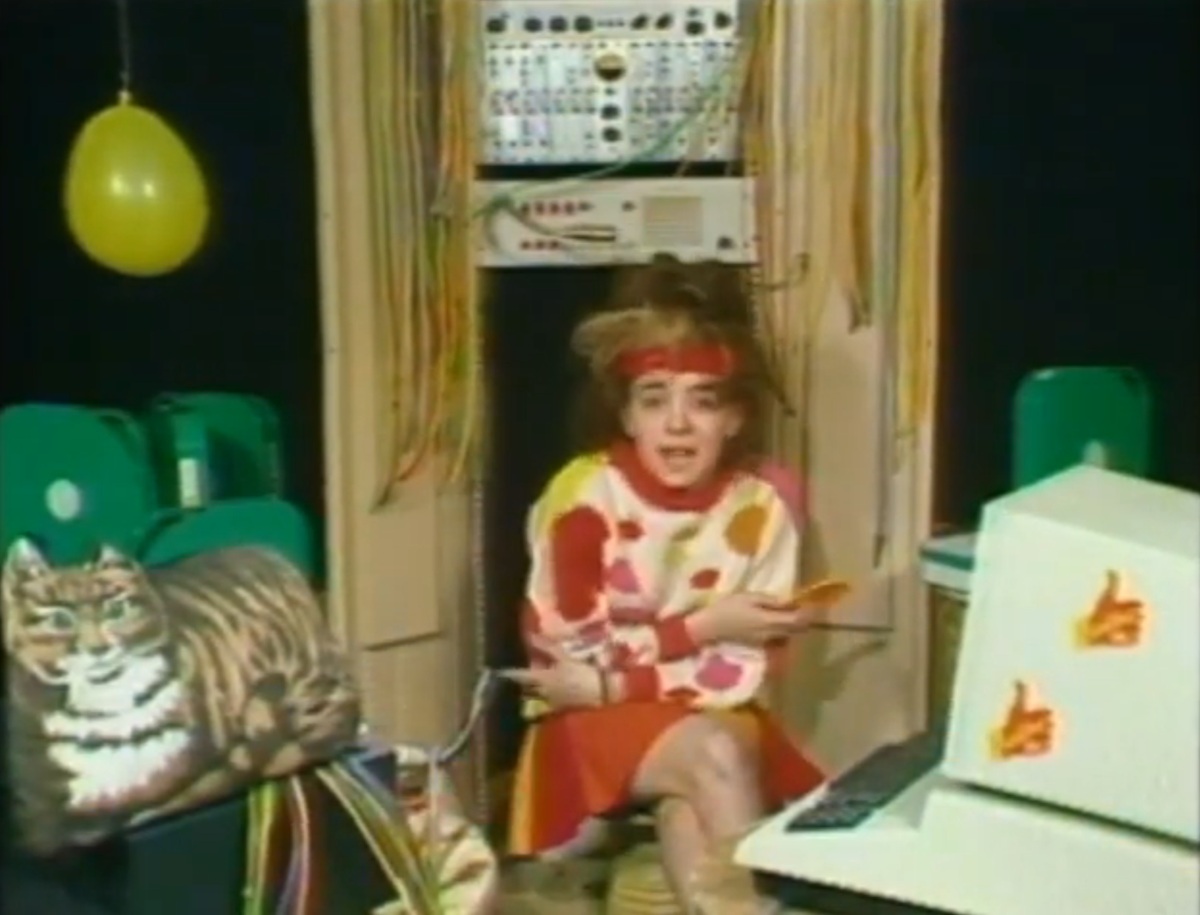
Crammed with digs both at Star Wars-mania and – via Mrs. Allgood’s suggestion of implementing ‘Very Extreme Treatment’ sending up Home Secretary Willie Whitelaw’s recently implemented and much questioned ‘Short Sharp Shock’ young offender punishment regime – the sort of people and policies that were creating the real-life Marmalades, the play set out its subversive and anarchic stall from the outset in no uncertain terms. Few sights on television, however, have ever felt as genuinely subversive and anarchic as Charlotte Coleman’s wild portrayal of the dishevelled gum-fiddling Marmalade, with her school uniform invariably yanked in multiple directions with her tie permanently knotted around her forehead, hair that was more disobedient than plain boring old ‘messy’, and a habit of addressing everyone – the great, the good and the otherwise – as ‘cock’. A masterclass in slovenly rejection of meaningless rules and conventions, and about as far from the traditional image of the ‘naughty’ pupil playing tame pranks on a mortar-boarded teacher as it was possible to get, Marmalade Atkins was a heroine – if that’s the right word – in waiting, and few can have been surprised when she came back for a full series. Although a lot of parents were very, very surprised indeed.
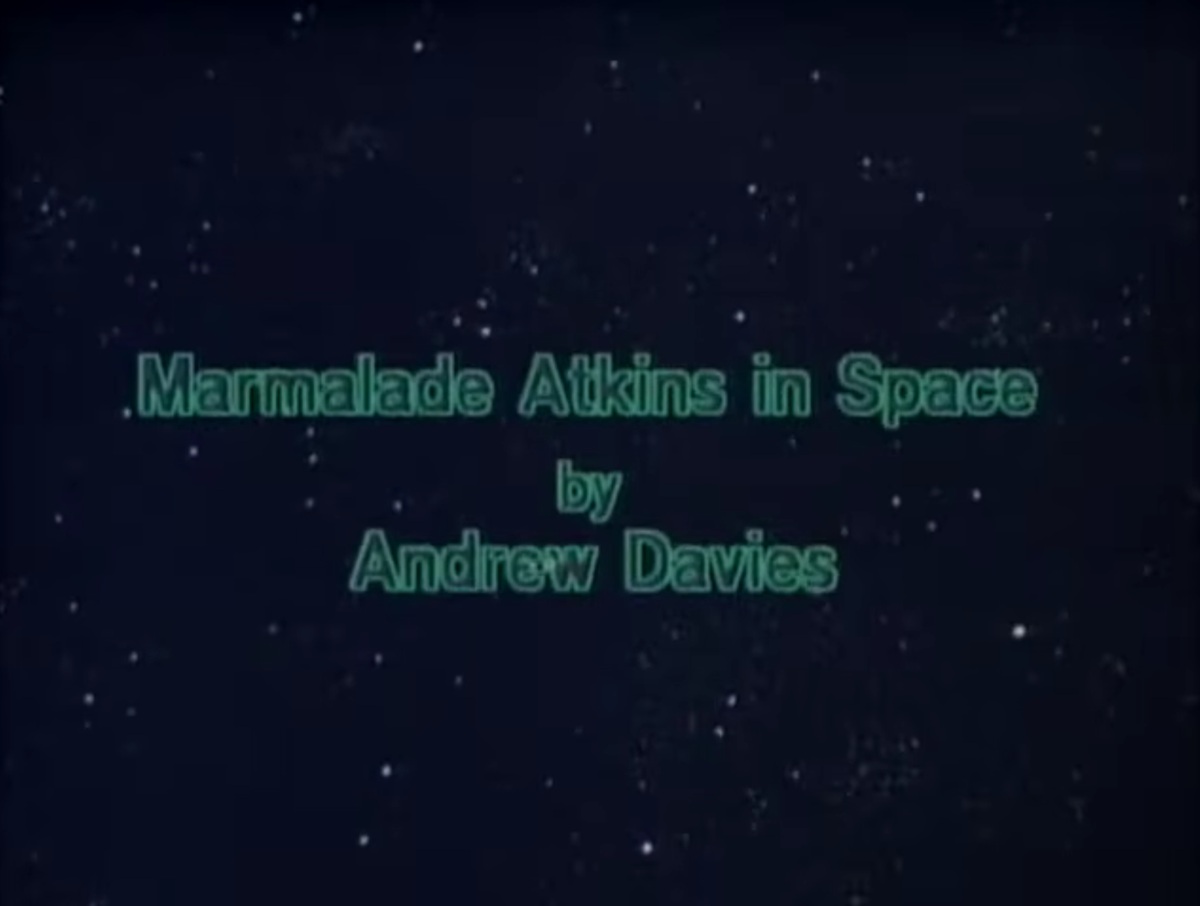
With outer space no longer on the curriculum, Educating Marmalade (ITV, 1982) followed the inevitably doomed attempts to find an educational establishment that could comfortably accommodate, or at the very least contain – Britain’s Naughtiest Schoolgirl. Opening with a blaring klaxon-accompanied flashing ‘Bad Girl Warning’, an undaunted Marmalade effortlessly weathered the best efforts of her father’s alma mater Eton, an Italian Finishing School, Dartmoor Prison and the inane stage school dropped aitch conversations of the pupils of ‘Cringe Hill’, and a rematch showdown with the Convent of The Blessed Limit ended up as two nil to Marmalade as she locked her nun nemeses in the heavily secured ‘Bad Girl Cupboard’. Unbelievably – or perhaps not so much given the dwindling alternative options – she gets sent there a third time after absconding from prison, where hopes that her role as the innkeeper in the school nativity might have helped her turn a corner are immediately dashed when she informs Mary and Joseph that there’s “plenty of room in the in, bring the donkey and all – the drinks are on me!”. Even dog behavioural expert Clara Coalhouse – no relation to the famously non-nonsense real life celebrity animal trainer du jour Barbara Woodhouse – was incapable of bringing her to heel. With an increasingly exasperated Mrs. Allgood on the verge of jumping from her office window and her parents… still not that bothered really, it was only too obvious – as the theme song put it, Educating Marmalade really was ‘the worst mistake they ever made’.
That suitably rowdy theme song, which continually sounded like it was going to spiral out of control live on air, was performed by Bad Manners, a reliably boisterous ska band fronted by the hulking and over-energetic Buster Bloodvessel, who enjoyed a string of hits in the late seventies and early eighties including Special Brew, Lip Up Fatty and their it has to be said idiosyncratic take on The Can Can, and who could frequently be found adding to the mayhem and even adding some extra craziness of their own everywhere from Tiswas to Cheggers Plays Pop. Their assertion that Marmalade ‘tops the bad girl hit parade’ wasn’t just a convenient rhyme – like Bad Manners, a whole raft of bands had emerged in the wake of rock who combined its spiky-haired multicoloured outrageousness and exuberance with a less offence-provoking comic strip-attitude – all of the politics and attitude with none of the swearing at local news anchors – who found and enjoyed a following with a generation of schoolchildren who identified with their unidentifiable sense of irreverence, and Marmalade Atkins looked and acted the way that they all sounded. Although it was scarcely as taboo-breaking as The Comic Strip Presents… or The Young Ones, it was the closest that children’s television got to its own out and out alternative comedy show, and perhaps tellingly, director John Stroud went on to create Hardwicke House (ITV, 1987), a sitcom about a failing and feral school that most specifically was not aimed at children but ITV took a gamble and put it in a timeslot where they could see it anyway. It lasted two episodes before it was yanked from the schedules and never mentioned again.
Marmalade wasn’t as popular with everyone as she was with would-be dinner queue disruptors, though. A barrage of uproar from politicians, taste and decency campaigners – some of them drawing unfavourable comparisons to reliable fresh-faced old Grange Hill, which was as laughable for the fact that Gripper Stebson and Imelda Davies would have hightailed it in fear if they’d seen Marmalade coming up the corridor as it was for the inevitability that they would be back blaming Grange Hill for anything and everything a fortnight later – and it wasn’t unusual for parents to bar their own potential Bad Girls and Boys from watching. All of whom seemed to have gleefully missed the fundamental point that Marmalade never actually did anything quantifiably ‘wrong’ – she just didn’t do what she was expected to, and that’s a lesson that none of those doing the mouth-frothing about the series and anything else like it ever seem to have learned in real life.
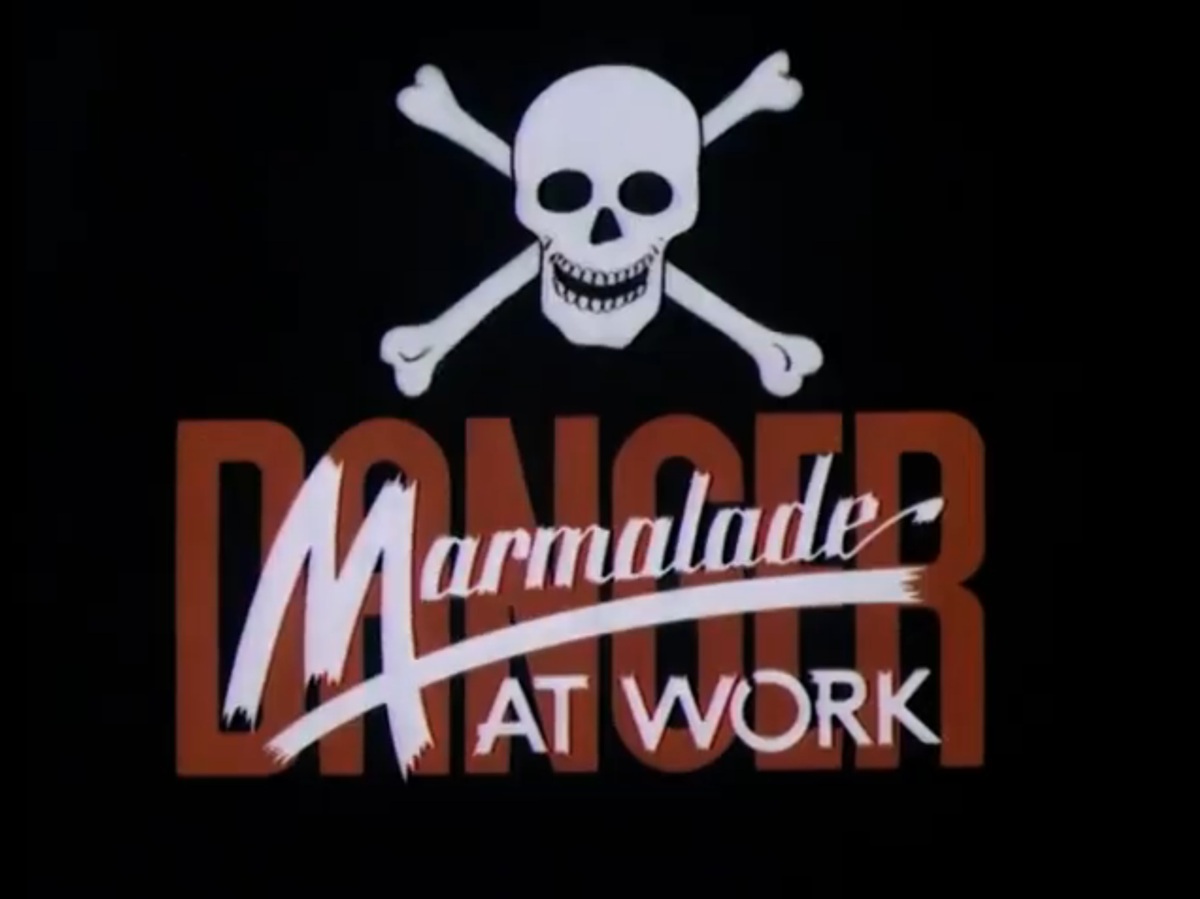
Even the naughtiest schoolgirl can only be the secondary educational system’s responsibility for so long, however, and Danger – Marmalade At Work (ITV, 1984) followed the not especially missed school leaver as she sought to channel her undeniable if undesirable talents in a suitable direction. With a theme song decrying the fact that “Jobs – I’ve had a few/and most of them/were pretty grotty” in the manner of Sex Pistol Sid Vicious’ rendition of My Way, Marmalade tries her hand at a procession of eminently unsuitable vocational callings with the assistance of vocational guidance counsellor Wendy Woolley including becoming a butler and an air hostess, enlisting in the army, helping out in the kitchen at a five-star restaurant and even following in Mrs. Allgood’s footsteps – even though she probably still had nightmares about Marmalade following in her footsteps – as a social worker. The BBC’s celebrated procedural police drama about the sexism-challenging struggles of Inspector Kate Longton in Juliet Bravo was sent up by ‘Marmalade Bravo’ and the glossy star-reaching singing and dancing imported teen drama sensation du jour became the vacuous, vain and arrogant pupils of The New York School For Bigheads And Show-Offs – or The Kids From Shame! for short.
Marmalade Atkins never did find consistent gainful employment, but she did later end up at the controls of a spaceship herself – hosting Children’s ITV’s Watch It! strand in April 1983 and not allowing the likes of Gammon And Spinach to get off lightly. By this time, however, Charlotte Coleman was keen to move on to other challenges, and although Andrew Davies had novelised both series and went on to write Marmalade Hits The Big Time in 1984, he soon moved on to his acclaimed BBC2 campus comedy drama A Very Peculiar Practice (ITV, 1986-92), set in a university staffed and attended by such a parade of eccentrics and lowlifes that even Marmalade would have thrown up her hands in horror and considered her second choice offer.
Buy A Book!
There’s lots more about Educating Marmalade – along with BAD Boyes, Who Sir? Me Sir?, Behind The Bike Sheds and tons of other children’s comedy shows, some of which didn’t even involve rowdy schoolchildren – in The Golden Age Of Children’s TV, available in all good bookshops and from Waterstones here, Amazon here, from the Kindle Store here and directly from Black And White Publishing here.
Alternately, if you’re just feeling generous, you can buy me a coffee here. Thankfully there never was an episode called ‘Macchiato Marmalade’.
Further Reading
You can find another extract from The Golden Age Of Children’s TV, this time looking at the comparatively – and we really do mean comparatively here – sedate classrooms of Grange Hill in KEN-DALL! here.
Further Listening
You can find a chat with Chris Shaw about Derek Griffiths’ slightly more sedate antics with the staff of The Roxy in Film Fun on The Golden Age Of Children’s TV here.

© Tim Worthington.
Please don’t copy this only with more italics and exclamation marks.

