
This is an excerpt from “Stranger Stars By Far Than Ever Shone In Our Night Sky”, the chapter of The Golden Age Of Children’s TV looking at Oliver Postgate and Peter Firmin’s animated productions. If you like the look of this, you can get The Golden Age Of Children’s TV from Waterstones here, Amazon here, from the Kindle Store here and directly from Black And White Publishing here, and if you’ve already read it and indeed liked it, why not leave a review to complement the one congratulating it for featuring, well, a chapter on Smallfilms? You can also find chats about Bagpuss on the accompanying The Golden Age Of Children’s TV podcast with Steve O’Brien here and Grace Dent here.
Clangers (BBC, 1969-74) was their first colour production, but although it took Smallfilms if not quite into the future then at least into the not-too-distant reaches of space, their future would ironically take them into the past. Not as far back as Noggin and his longboats had ventured, but somehow more distant and in sepia too.
In the second run of BBC Schools’ primary literacy strand Words And Pictures, usurping Gabriel Woolf and his puppet pals Lazybones and General George and their escapades Up In The Attic (BBC, 1970), Sam On Boffs’ Island (BBC, 1972) featured Tony Robinson as Sam Samson, a young daydreamer who finds he is able to travel to the land of The Boffs, a race of tiny humanlike figures including What-Boff, Paper-Boff, Sell-Boff and the alphabetically-assigned Say-Birds, whose economy and society is based around words and letters. The puppets and artwork for the show were created and animated by Oliver Postgate and Peter Firmin, and this would bring them into contact with two musicians who would play a major role in their next show. Sam On Boff’s Island was written by the renowned children’s author Michael Rosen, and to conjure up the skittering jigs and reels he had envisaged to accompany his eccentric inventions, he had recommended two musicians he had previously worked with as part of legendary folk musician Ewen MacColl’s Critics Group, multi-instrumentalists John Faulkner and Sandra Kerr. Having impressed Oliver greatly with the contributions, John and Sandra would remain on board for Bagpuss (BBC, 1974), Smallfilms’ most ambitious, most widely remembered and arguably – although this is certainly a closely contested honour – most well-loved work. You could even say it was the most important, the most beautiful and the most magical.

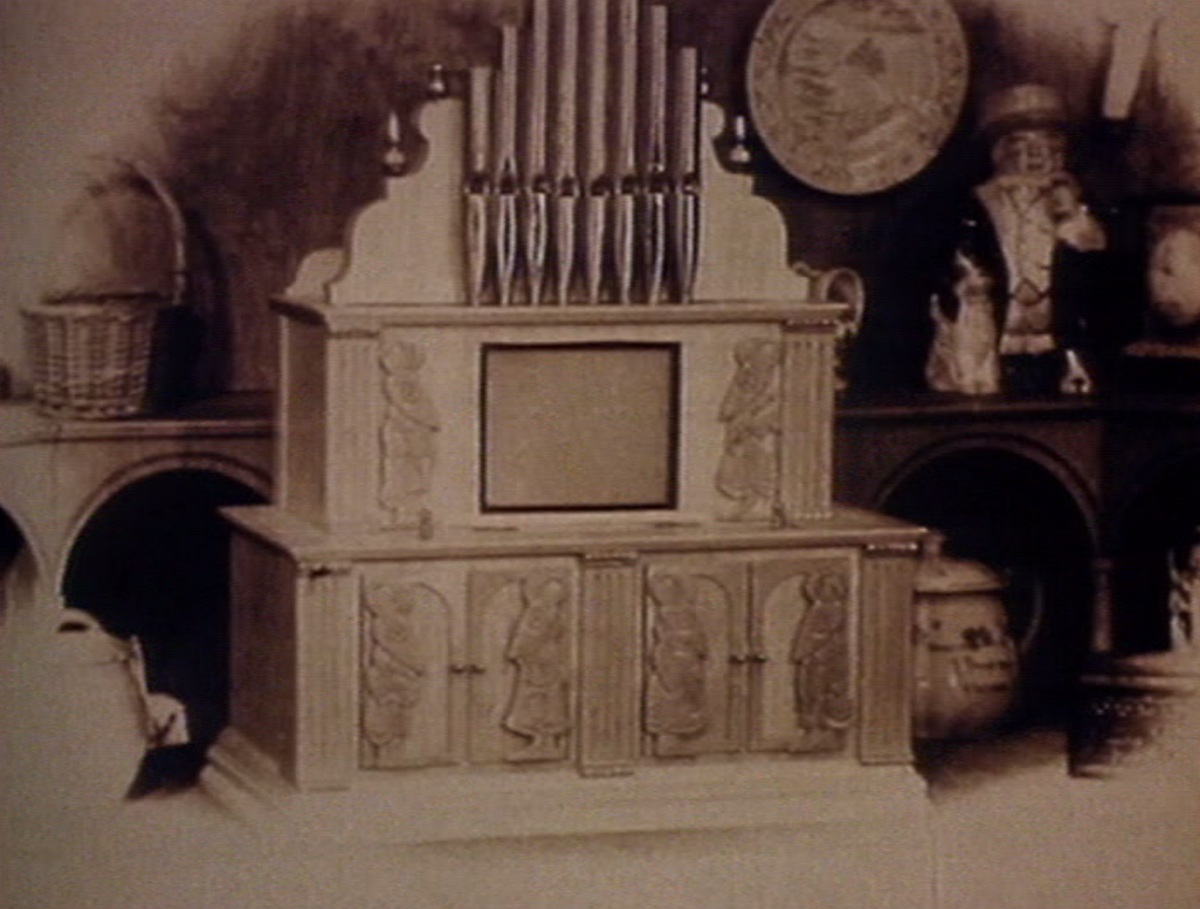
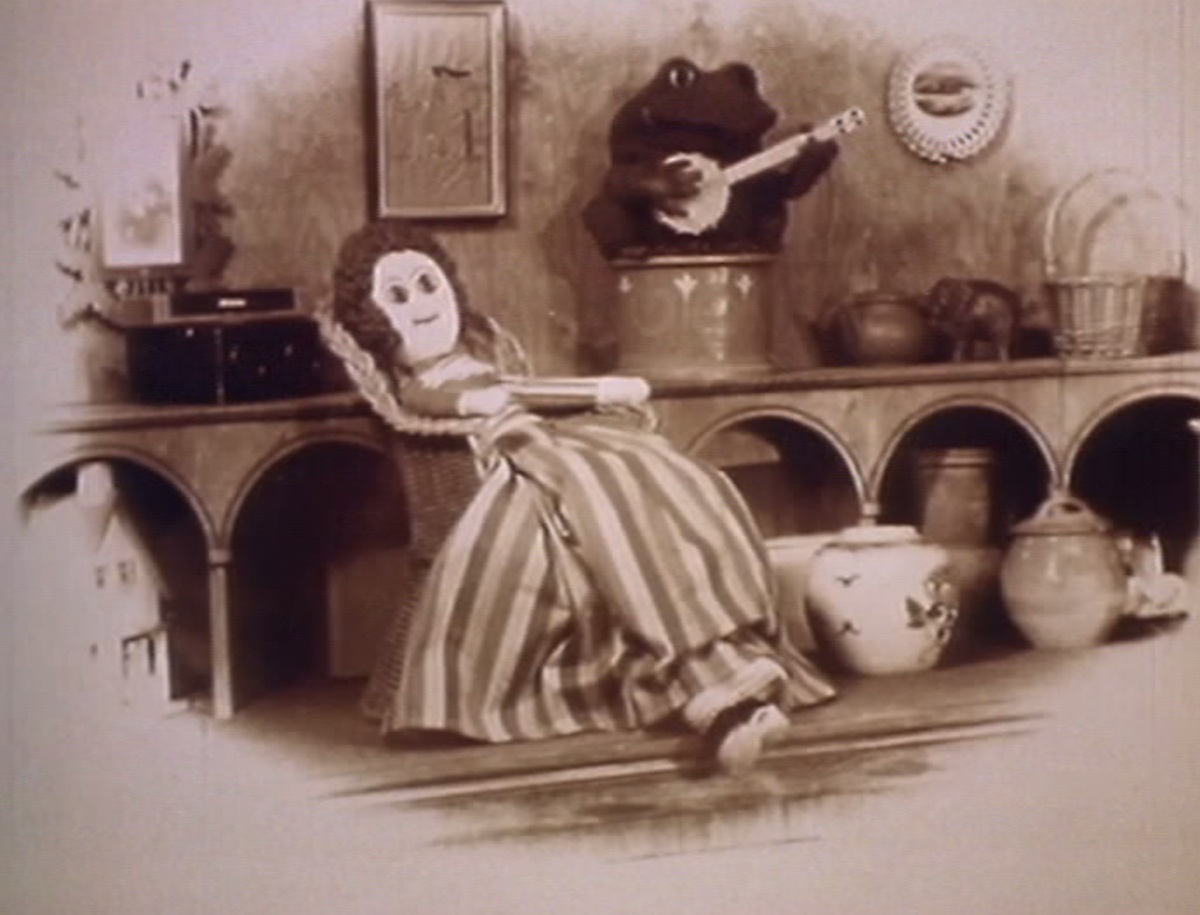
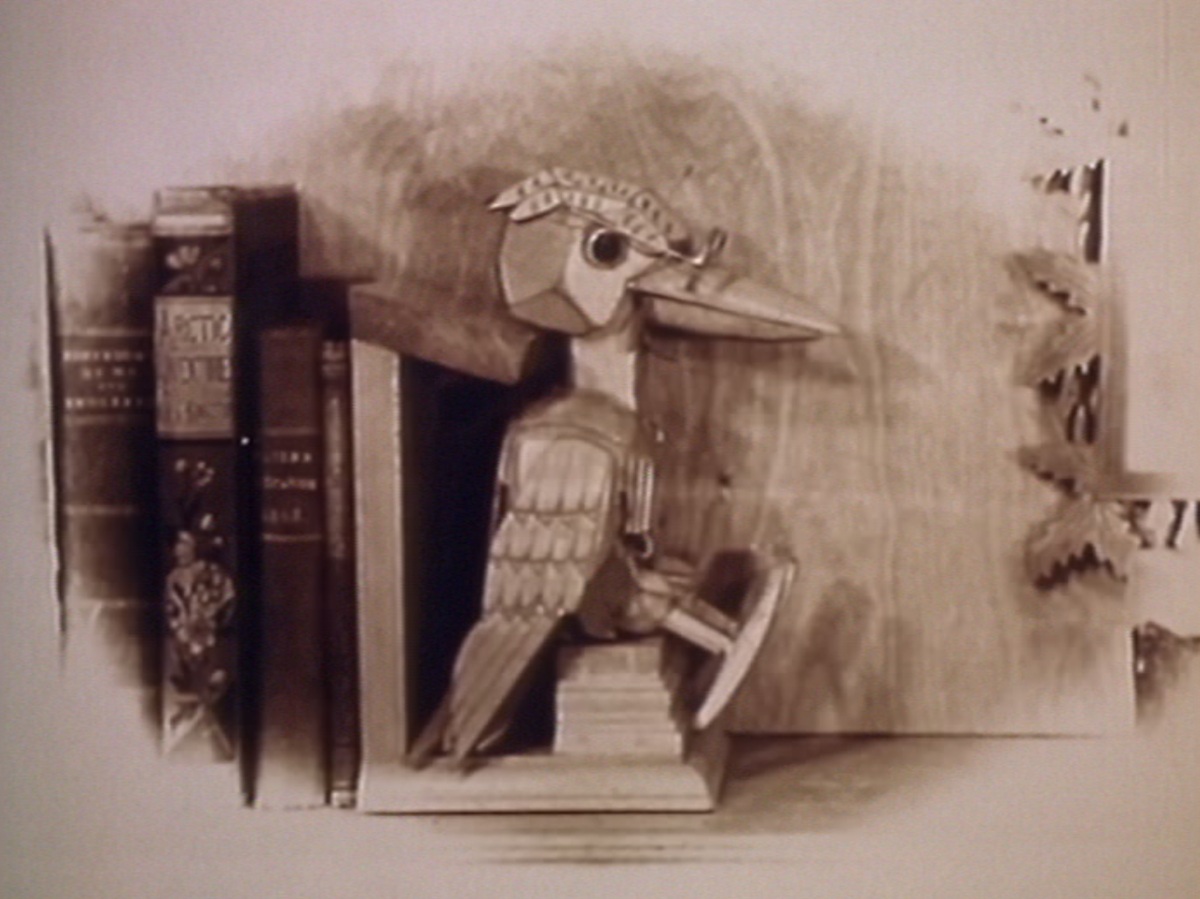
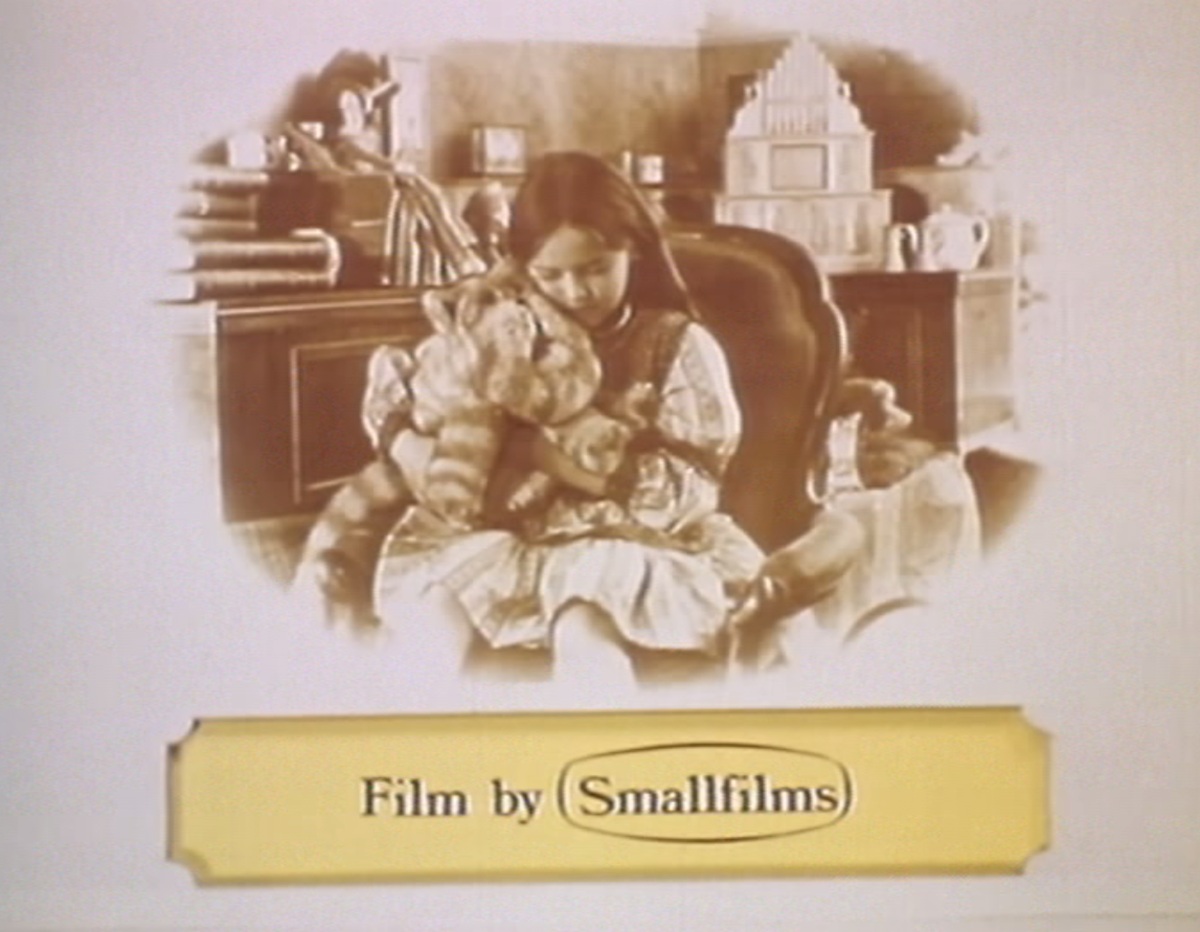
Each episode of Bagpuss opened with quaint plucked acoustic tones on archaic instruments and a series of sepia-tinted still images following a young Victorian girl named Emily – in reality Peter’s daughter, also called Emily, photographed in and around the family home – as she made her way to her shop which didn’t sell anything; instead, it just displayed lost items in the window in the hope that their owner might be passing and might spot them. The shop was also home to Emily’s stuffed cat Bagpuss – the most important, the most beautiful, the most magical, saggy old cloth cat in the whole wide world – who, possibly out of her awareness, would magically come to life when she recited the incantation “Bagpuss, dear Bagpuss, old fat furry catpuss, wake up and look at this thing that I bring, wake up, be bright, be golden and light – Bagpuss, oh hear what I sing”, as the image suddenly shuddered into colour with a spectral shimmer on a dulcimer. As the pink and white sage stretched and yawned, a number of other characters scattered around the shop also blinked into existence. Williemouse, Jenniemouse, Lizziemouse, Janiemouse, Eddiemouse and little Charliemouse – the ornamental mice on a frieze running around a novelty bellows-powered musical magic lantern ‘Mouse-Organ’ – Madeleine The Rag Doll in her wicker chair, banjo-toting tin-dwelling Gabriel The Toad, and Professor Augustus Barclay Yaffle, a carved wooden bookend in the shape of a woodpecker, who would hop down to a series of descending pizzicato notes from his suitably academic bookshelf – bearing such lost-in-time titles as Arctic Adventure and Where To Look For Wild Flowers – to join the throng pondering over what Emily had brought them this time. The mice would clean and repair it while singing a shrill-voiced round about their chosen method of restoration before suggesting a wildly fantastical imagined purpose, Yaffle would counter this with a more rational and scientific postulation, and Gabriel and Madeleine – or John and Sandra – would sing a folk song vouchsafing a purported backstory that sat somewhere between the two, accompanied either by pictures and animation dreamed up by a Thinking Cap-sporting Bagpuss or projected after much huffing, puffing and heaving, onto the wheezing Marvellous Mechanical Mouse-Organ. With everybody more or less satisfied, the object was pushed into the window as Bagpuss gave a big yawn and settled down to sleep – although on a couple of occasions he started to curl up before anyone was ready, leading to a frantic viewer-alarming scramble to get the object and in turn themselves back into position in time – and everyone retreated back into sepia and back into the past. Even Bagpuss himself, once he was asleep, was just a saggy old cloth cat. Baggy, and a bit loose at the seams, but Emily loved him.
In retrospect, it isn’t difficult to see why viewers fell for Bagpuss in such an emotional and enduring manner. Each episode includes three or four different animated segments in different styles but with all of them driving the narrative, plenty of guessing games and low-level dry humour, and John and Sandra’s songs, many of which would not have sounded out of place on a contemporaneous Acid Folk album that now changes hands for ridiculous sums of money. Even the actual objects featured in the episodes have become cultural shorthand, whether it’s the squawking bagpipe-resembling tartan pincushion creature known as The Hamish, the inside-out cloth homestead of Silly Old Uncle Feedle, the fragmented crown that a bored princess tossed into the sky for her unwanted suitors to follow as they turned into dragonflies, the ballet shoe that a pair of determined mice row, row, rowed towards their promised land of revolting stinking Stilton Cheese, or the ornate cushion favoured by the uncomfortably-throned The Bony King Of Nowhere. If there is one particular episode that pretty much everyone remembers, however, then it’s the one where The Mice momentarily fool Professor Yaffle into believing that a toy mill is being used for forging chocolate biscuits out of breadcumbs and butterbeans until – against their suspiciously hasty advice – he ventures round the back and discovers the extent of their ingenious and industrious deceit, followed by Gabriel and Madeleine defusing the situation with a spellbinding number charting the changing of the seasons through the lengthy genesis of a loaf of bread, lightened right at the conclusion by a memorable exhortation to a baker to “get out of bed, put that silly old hat on your head”.
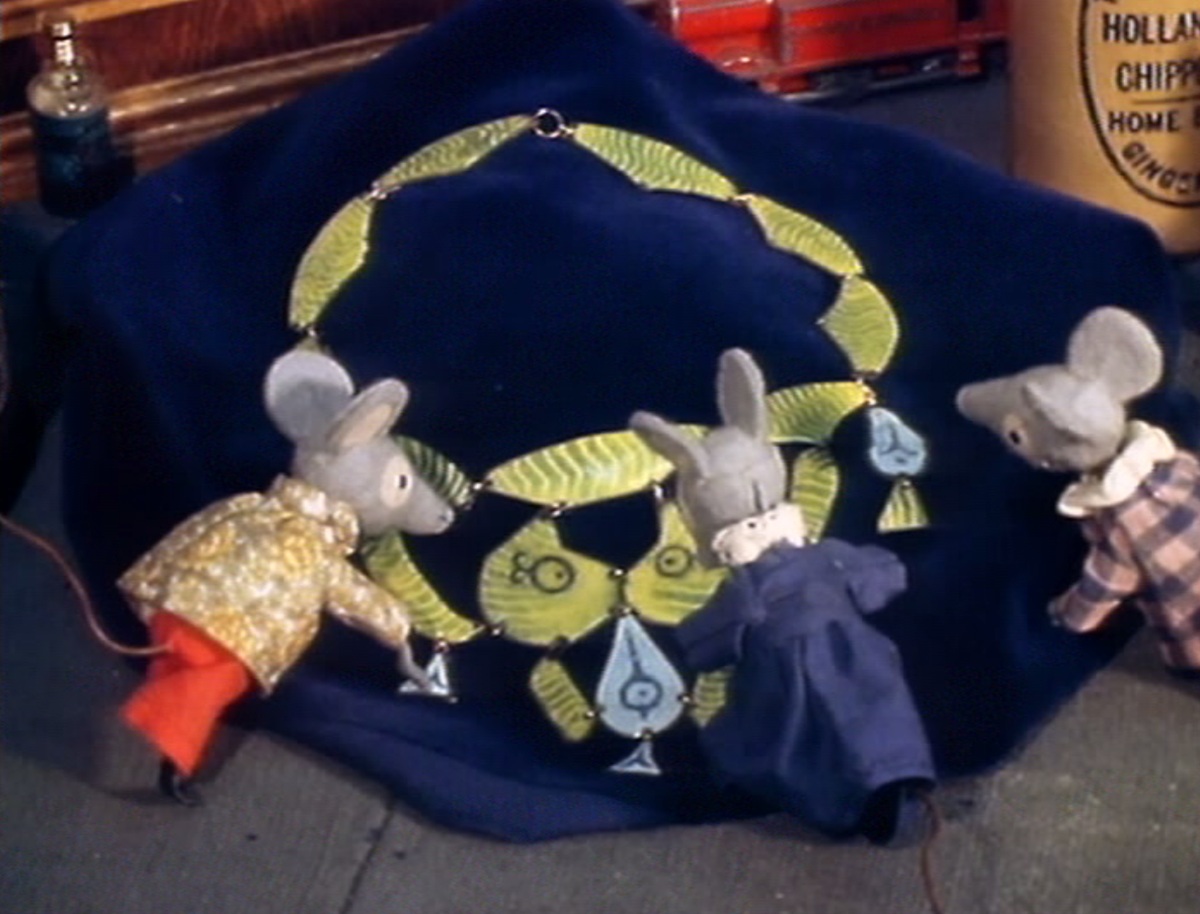
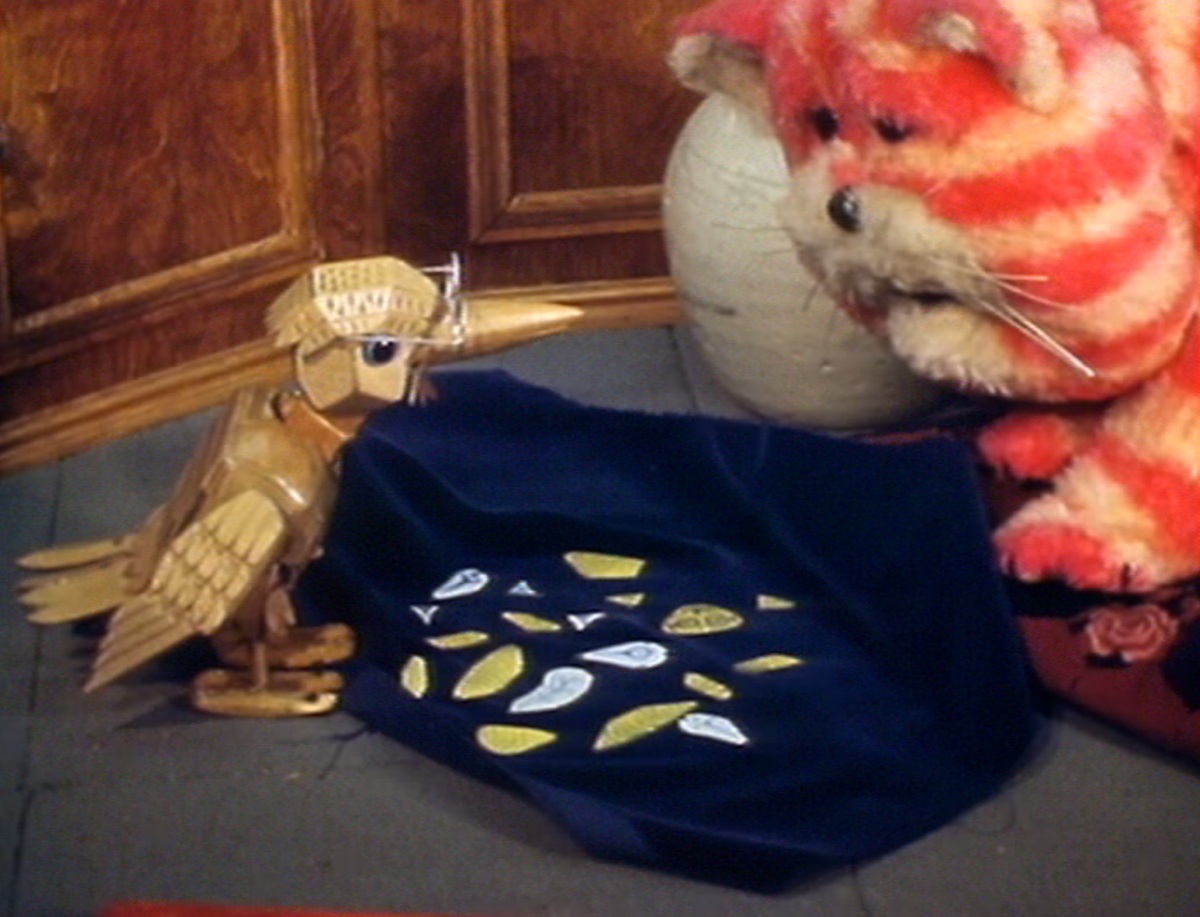
It’s impossible to say for certain, but a large part of the reason for Bagpuss’ enduring popularity may lie in the fact that there were so many happy accidents during the show’s production. Bagpuss himself was originally supposed to be a less memorable shade of ginger and white but a mix-up with the fabric dye meant he came back with pink stripes, while Yaffle was originally intended to be a more humanlike academic named Professor Bogwood, who had got as far as concept art before the BBC – perhaps recalling the problems they had met with courtesy of The Witch in Pogle’s Wood – insisted he was changed to a less imposing figure. The need for tight editing to fit everything in even gave rise to a mystery of sorts; during the opening titles, Gabriel inexplicably croaks like an actual toad rather than speaking with his usual rustic accent. it wasn’t until the scripts were published many years later that anyone realised that this was because he was supposed to be hiccuping, a revelation that had been cut from the titles for timing reasons.
Oliver and Peter would later diversify into other pursuits, and for a time even their most-loved creations had all disappeared from our television screens and poor old Professor Yaffle was at risk of being so forgotten that he might well end up in Emily’s shop window himself, but when Bagpuss went to sleep, his friends most certainly did not go to sleep too. As the generation who had grown up watching their shows reached adulthood, Smallfilms’ work came to be regarded with fresh nostalgic affection and critical adulation, proving once again that there’s nothing wrong with telling old-fashioned stories in and old-fashioned way. Pushed into a corner of a curiosity shop, they had been given a quick once-over and come out more vibrant and complete than ever. Because – just like Emily – we loved them.
Buy A Book!
There’s lots more about Bagpuss – along with Clangers, Ivor The Engine, Noggin The Nog, Pogle’s Wood and tons of other shows from the collective imagination of Oliver Postgate and Peter Firmin, some of which have not been seen since their original broadcast – in The Golden Age Of Children’s TV, available in all good bookshops and from Waterstones here, Amazon here, from the Kindle Store here and directly from Black And White Publishing here.
Alternately, if you’re just feeling generous, you can buy me a coffee here. Do not believe The Mice if they say they can ‘grind’ it.
Further Reading
You can find out all about the episode of Bagpuss where The Mice believe they have stumbled across the crown of a Frog Princess in And You And I Would Call Them Dragonflies here.
Further Listening
You can find chats about Bagpuss on The Golden Age Of Children’s TV with Grace Dent here and Steve O’Brien here, as well as Mitch Benn on Clangers here and Mark Griffiths on Noggin The Nog here and Looks Unfamiliar with Juliet Brando on Tottie: The Story Of A Doll’s House here and Meryl O’Rourke on Sam On Boffs’ Island here.

© Tim Worthington.
Please don’t copy this only with more italics and exclamation marks.

