
This is an excerpt from “Goodies Are Coming For You And You And You”, the chapter of The Golden Age Of Children’s TV looking at programmes that were not nominally part of the children’s television schedules but were nonetheless in what might be termed family viewing slots and held just as much appeal for younger viewers as their dedicated programming. If you like the look of this, you can get The Golden Age Of Children’s TV from Waterstones here, Amazon here, from the Kindle Store here and directly from Black And White Publishing here, and if you’ve already read it and indeed liked it, why not leave a review to balance out that one from a reader who gave it three stars because something about… radishes? You can also find a chat with Tom Williamson about Blockbusters on the accompanying The Golden Age Of Children’s TV podcast here.
Earlier in the day, however, there were the schools’ programmes, and if you happened to be off with a bunged-up nose and a bottle of Lucozade, then it was pretty much expected that you would watch them in the hope of compensating for your missed daily dose of education. Some, like the grainy film stock and tersely narrated scientific demonstrations with occasional closeups on scary ‘hazard’ notices of Experiment (1969-86), the abstract deconstructionist destruction of narrative form in Middle English (1981-2001) and the sheer other language-ness of The French Programme (1979-97), were sufficiently unnerving to made you wish you were actually at school. Others, however, existed in a whole secret universe of hidden television that you might not have got to explore otherwise, brimming with mysteriously named delights waiting to be discovered through a catarrh-blurred haze.


Frequently plugged directly after the BBC’s lunchtime shows, You And Me (BBC, 1974–92) took a look at the world around us for the benefit of the under-fives, with a catchy theme song – as later ‘borrowed’ by Oasis – from former Rainbow musical act Charlie, Karl And Julian and a procession of child-alarming puppet presenters – jerkily lumbering stop-motion cawing corvid and simpering hamster Crow and Alice, clacky-mouthed Duncan the Dragon, and socially aware market stall-manning indefinable puppets Cosmo and Dibs, whose message-driven arguments came accompanied by UB40’s dub-inflected overhaul of the theme song. Variously presented by bookshop-dwelling Henry Woolf and Vicky Ireland with obstinate superimposed foam rubber puppet man ‘Charlie’, Words And Pictures (BBC, 1970–96) explored the alphabet with the aid of self-propelled Magic Pencil and syllable-emphasising stop-motion animations featuring prehistoric grump Grandpa Gripe and his juvenile charge Trog and the celebratedly spooky Witches of Halloween.
Factual documentary strand Watch (BBC, 1967–2009) saw fashionably coiffured Louise Hall-Taylor and James Earl Adair and a plasticine-backed burst of sprightly flutey swinged-up Bach striving to explain everything from evolution to the postal system with a smattering of songs and animations, along with running serials that were effectively miniature rock operas, including the stories of David And Goliath, Robinson Crusoe and – most memorably of all – The Nativity, with Louise looking into the historical reality and plausibility on location in the Holy Land and James back in the studio retelling the biblical version of events with the aid of stylised conical paper puppets. If you watched Watch at school, this clear indication that the Christmas holidays were coming could not have been more welcome. A similar de facto alternative Advent Calendar could be found in Music Time (BBC, 1970–91), which interspersed Kathryn Harries and Peter Combe’s earnest renditions of world music favourites annotated by dimly lit notes on a musical stave with fantasy-meets-slapstick serialised stop-motion animated adaptations of ballets including Coppélia, The Nutcracker and Lieutenant Kijé. More bizarrely Maths-In-A-Box (BBC, 1980), written by folk singer Alex Glasgow and apparently ‘as easy as one-two-three’, concerned trigonometry-fixated stranded alien Powka who travelled in and out of his computational cube with a chant of ‘tikki-tikki-tox’. When you returned to school, it really did take some doing to convince everyone that you weren’t just making it up.


Over on ITV, Seeing And Doing (ITV, 1967–92) covered similar ground to Watch courtesy of presenters Toni Arthur and Atarah Ben-Tovim, with a rocked-up power-pop theme song that replaced the original choice of Herbert Chappell’s library track The Gonk – as notoriously also heard in Dawn Of The Dead (1978) – and was replaced in turn by dull session guitarist noodling accompanying turning blocks depicting craft activities. Good Health (ITV, 1974–88) emphasised the value of personal hygiene and regular exercise through such child-acted comedy ludicrousness as a local news report on a superhero who fought germs, campy Snow White-riffing horror lampoonery with a witch proffering wicker baskets full of Liquorice Allsorts, and the legendary cautionary tale of foot-knackering fashion craze Blockaboots. Chris Tarrant narrated crumbly film documentaries about parking meters and bin lorries in Stop, Look, Listen (ITV, 1971–93), and Fred Harris, Shelagh Gilbey and Anni Domingo jumpsuitedly solved basic mathematical problems in a haze of ambient electronica and syllable-scattered ‘futurespeak’ while Sylvester McCoy found himself overwhelmed by their real-life application in Leapfrog (ITV, 1978). Reading With Lenny (ITV, 1977–79) saw ventriloquist Terry Hall and his puppet Lenny The Lion trace a furry finger across the storybook exploits of Kevin The Kitten; when it was decided a little more oomph was needed, a certain fox rocked up complete with audience-mocking theme song to trade puns with ‘Mr Howard’ in Let’s Read With Basil Brush (ITV, 1982–84). Somewhat less comfortingly, Alan Rothwell dispassionately introduced weird abstract short films in Picture Box (ITV, 1966–93); and if they weren’t quite troubling enough, the opening titles depicted blurry footage of a rotating ornate velvet-mounted jewellery case accompanied by an eerie fairground-esque waltz played by avant-garde sound sculptors Lasry-Baschet on instruments fashioned from bone.


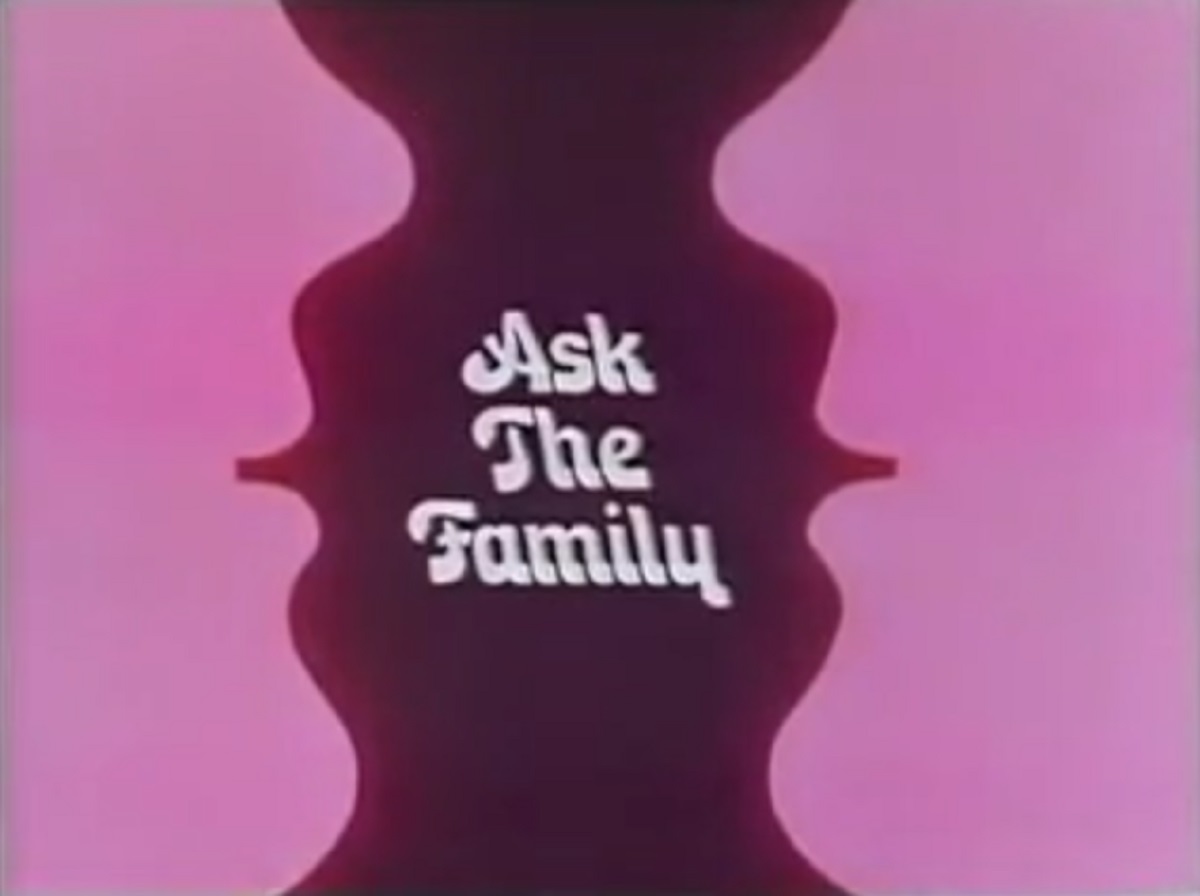
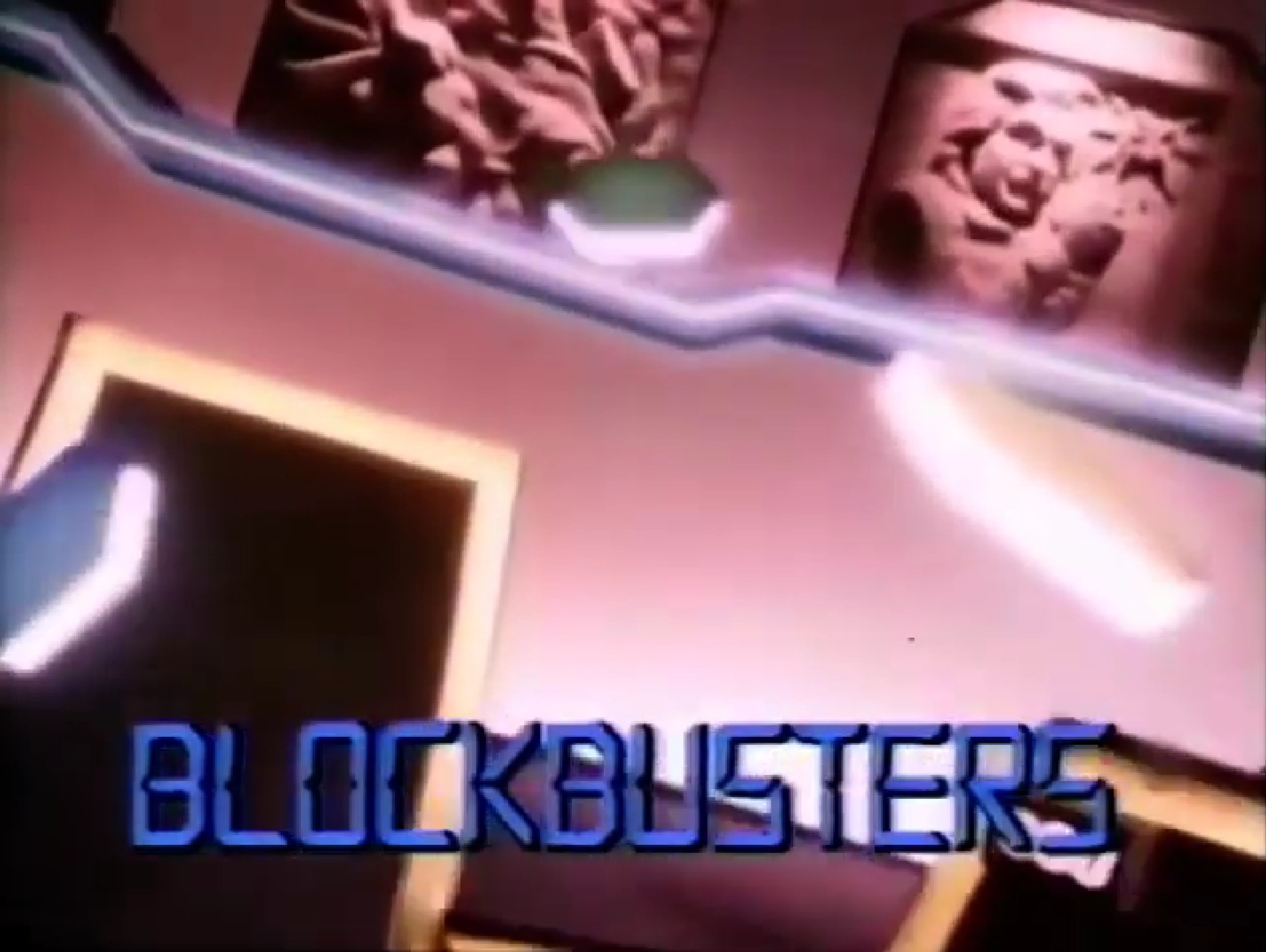
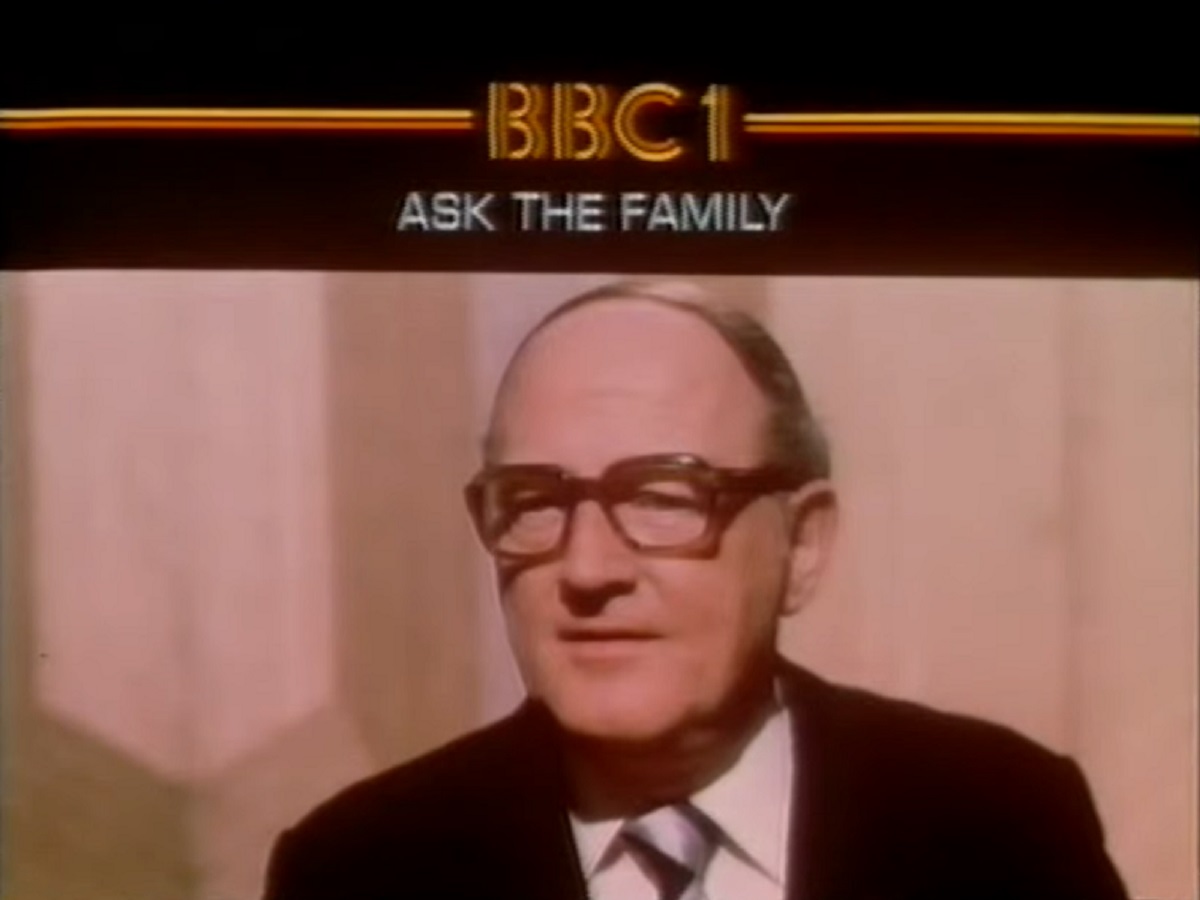
Later on, you could always put whatever you had ostensibly learned from schools’ television to the test in the various quiz shows that sat in a sort of brainteasing no-man’s-land between children’s television and the proper evening schedules. Marking out its highbrow nature with atypical opening titles – initially a deck of optical illusion-festooned playing cards backed by jerky sitar-led jazz, later giving way to stentorian Eastern Bloc balalaika-strumming accompanied by a rotating slot machine fairground attraction decorated with an odd-looking Victorian family unit – Ask The Family (BBC, 1967–84) saw Robert Robinson challenge father and youngest son only to identify a ten thousand-times magnified DIY component and deduce the current time if you flew directly from Edinburgh to Helsinki with a three-hour stopover in Valletta. With desk-teetering novelty mascots and The Sundays T-shirts very much to the fore, a pair of students took on a hardier loner in a hexagonally aligning race across the Blockbusters (ITV, 1983–93) game board in the hope of making it through to the coveted Gold Run. Nobody was ever sure why it had opening titles depicting the Elgin Marbles zooming through a futuristic cityscape and theme music that sounded more like it belonged to a sci-fi movie, but somehow the contrast between that and host Bob Holness’ calm yet excited demeanour fitted together. Its regular Sue Robbie-helmed summer replacement Connections (ITV, 1985–90), a more straightforward exercise in abstract clues and link-spotting, could only dream of such lasting infamy. Years ahead of its time, Angela Rippon’s Masterteam (BBC, 1985–87) simply challenged a league tables of teams of quizzers to outdo each other at solving fiendishly difficult puzzles and answering quickfire general knowledge questions, including in the exotically named ‘Pot Pourri’ round.


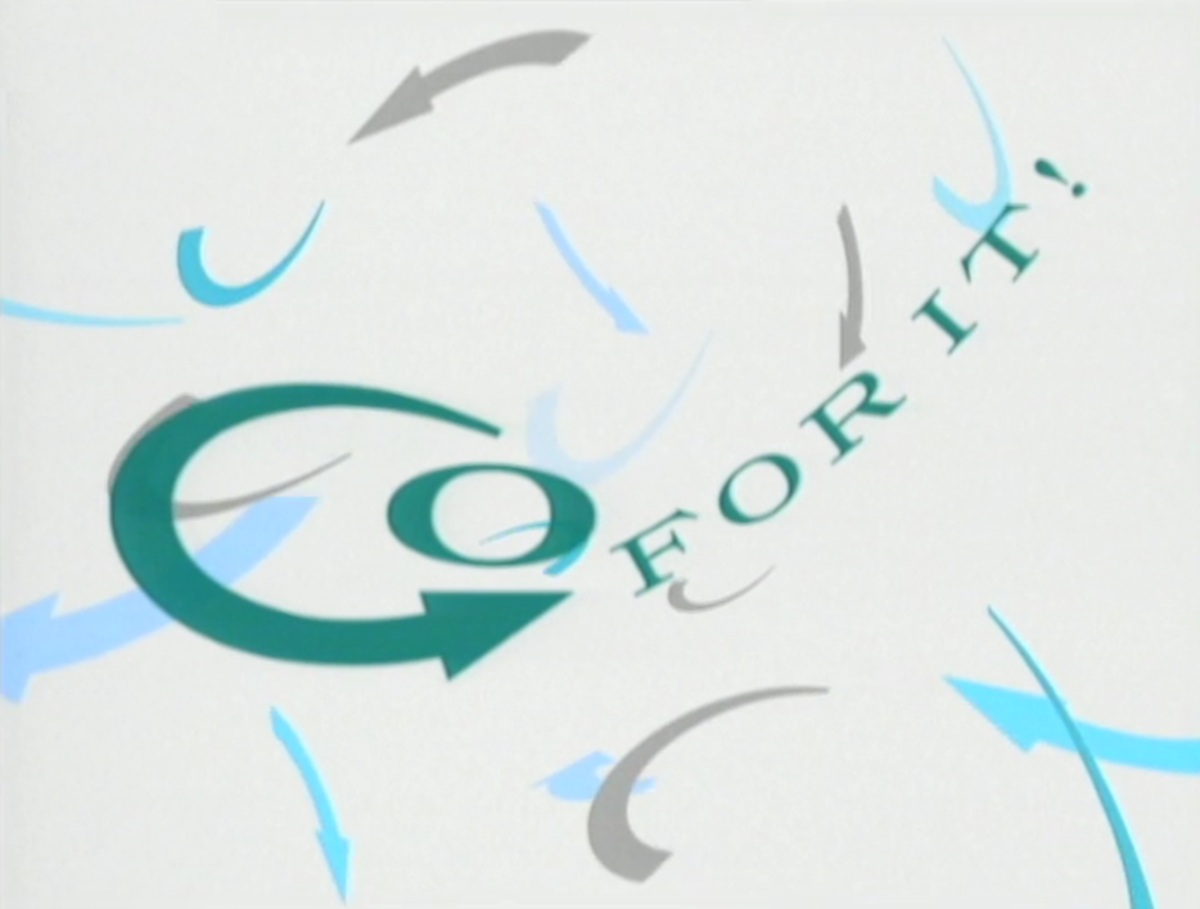

Masterteam was just one of several shows deployed to fill an inconvenient gap when the BBC’s evening news bulletin moved from 5.40 p.m. to become The Six O’Clock News in 1984. Others included Gyles Brandreth’s conversational challenge The Railway Carriage Game (BBC, 1985), bland American family sitcoms Gloria (1982-83) and Charles In Charge (1985-90), hectoring keep-fit showcase Go For It! (BBC, 1986–88) – which awkwardly juxtaposed shaming tobacco-addicted patriarchs with unwitty witticisms like a photofit of junk food ‘pusher’ Sir Walter Raleigh – and Fax (BBC, 1986–88), a viewer correspondence show in which Bill Oddie, Debbie Rix, Billy Butler and Wendy Leavesley sought to answer troubling trivia ponderables such as what was in the Watch With Mother slot on Mondays and what happened to sixties TV star Richard Bradford, once landing themselves in hot water when Oddie demonstrated the workings of a cashpoint using what appeared to be an audience member’s PIN. Their fun was curtailed all too soon by the rise of Australian soap opera Neighbours (1985-2025), and while Go For It! and Fax struggled on in Sunday afternoon slots, poor old Masterteam – so very clearly headed for cult status – had to call it a day in favour of Henry Ramsay driving off with a cake on the roof of his car.

Buy A Book!
There’s lots more about the Experiment, Middle English, The French Programme, You And Me, Words And Pictures, Watch, Music Time, Maths-In-A-Box, Seeing And Doing, Good Health, Stop Look Listen, Leapfrog, Reading With Lenny, Let’s Read With Basil Brush, Picture Box, Ask The Family, Blockbusters, Connections, Masterteam, The Railway Carriage Game, Go For It!, Fax and dozens of other programmes that fitted themselves awkwardly around and outside regular children’s television hours in the hope of attracting the attention of a captive stray audience in The Golden Age Of Children’s TV, available in all good bookshops and from Waterstones here, Amazon here, from the Kindle Store here and directly from Black And White Publishing here.
Alternately, if you’re just feeling generous, you can buy me a coffee here. Caffeine is a stable active chemical compound in dry form. Write that down!
Further Reading
You can find further extracts from The Golden Age Of Children’s TV taking a look at The Adventure Game, in Doogy Rev! here, Grange Hill and Tucker’s Luck in KEN-DALL! here, and imported children’s serials in Please Come And Share Secret Valley With Me! here.
Further Listening
You can find a chat with Tom Williamson about Blockbusters in The Golden Age Of Children’s TV here, and Looks Unfamiliar with Steve Berry on Words And Pictures here, Adam S. Leslie on Maths-In-A-Box here, Catrin Lowe on Good Health here, Phil Norman on Leapfrog here, Saira Ahmed on Picture Box here and Joanne Sheppard on Fax here and Go For It! here.
© Tim Worthington.
Please don’t copy this only with more italics and exclamation marks.

