This is an excerpt from “Stand By For Action!”, the chapter of The Golden Age Of Children’s TV looking at Gerry and Sylvia Anderson’s ‘Supermarionation’ shows and the assorted rival efforts from their earlier collaborator Roberta Leigh. If you like the look of this, you can get The Golden Age Of Children’s TV from Waterstones here, Amazon here, from the Kindle Store here and directly from Black And White Publishing here, and if you’ve already read it and indeed liked it, why not leave a review to bolster the one thanking me for proving that they hadn’t in fact made up around twenty thousand programmes nobody else had seemingly ever heard of? I bet they never had to argue the case for Rubovia‘s existence though. You can also find a chat with me about all matters Supermarionation in an interview I did with Richard Herring about The Golden Age Of Children’s TV here.
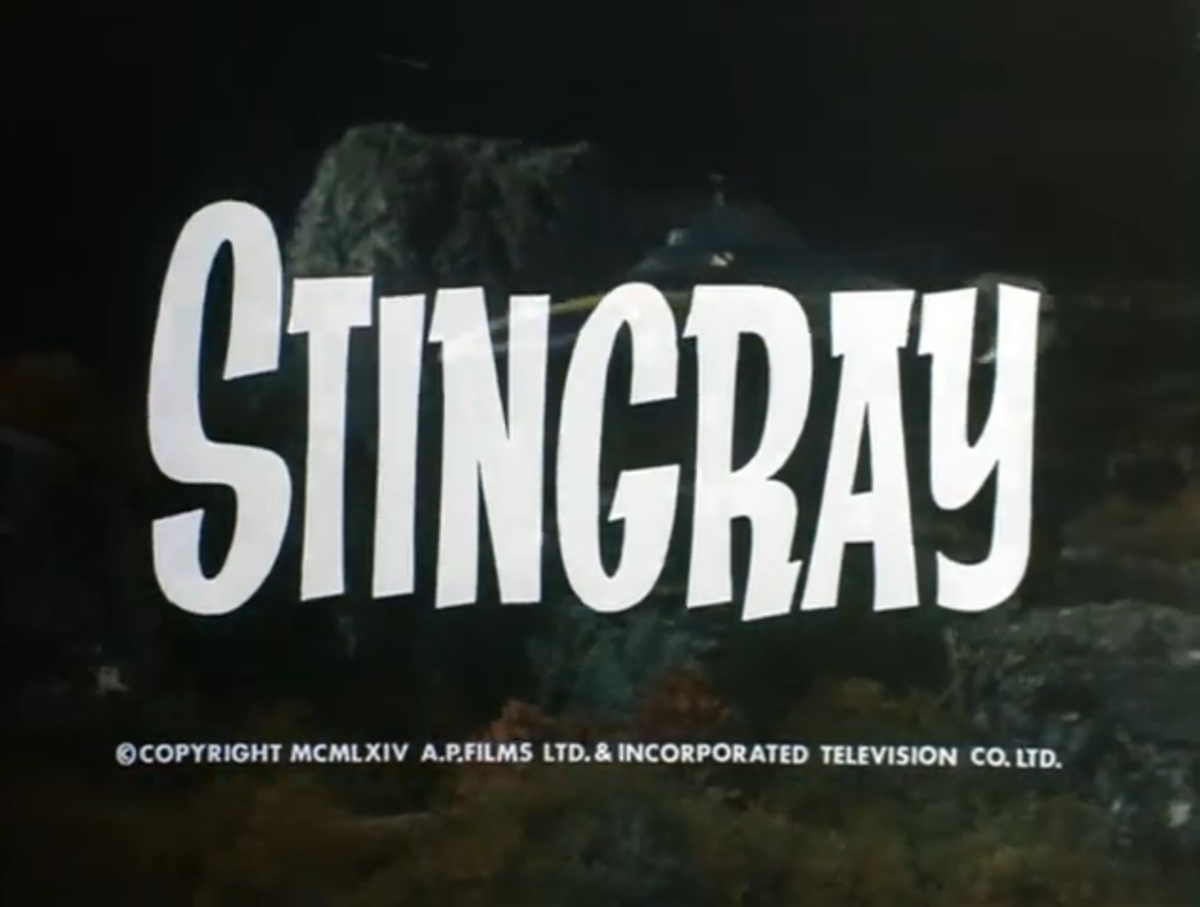
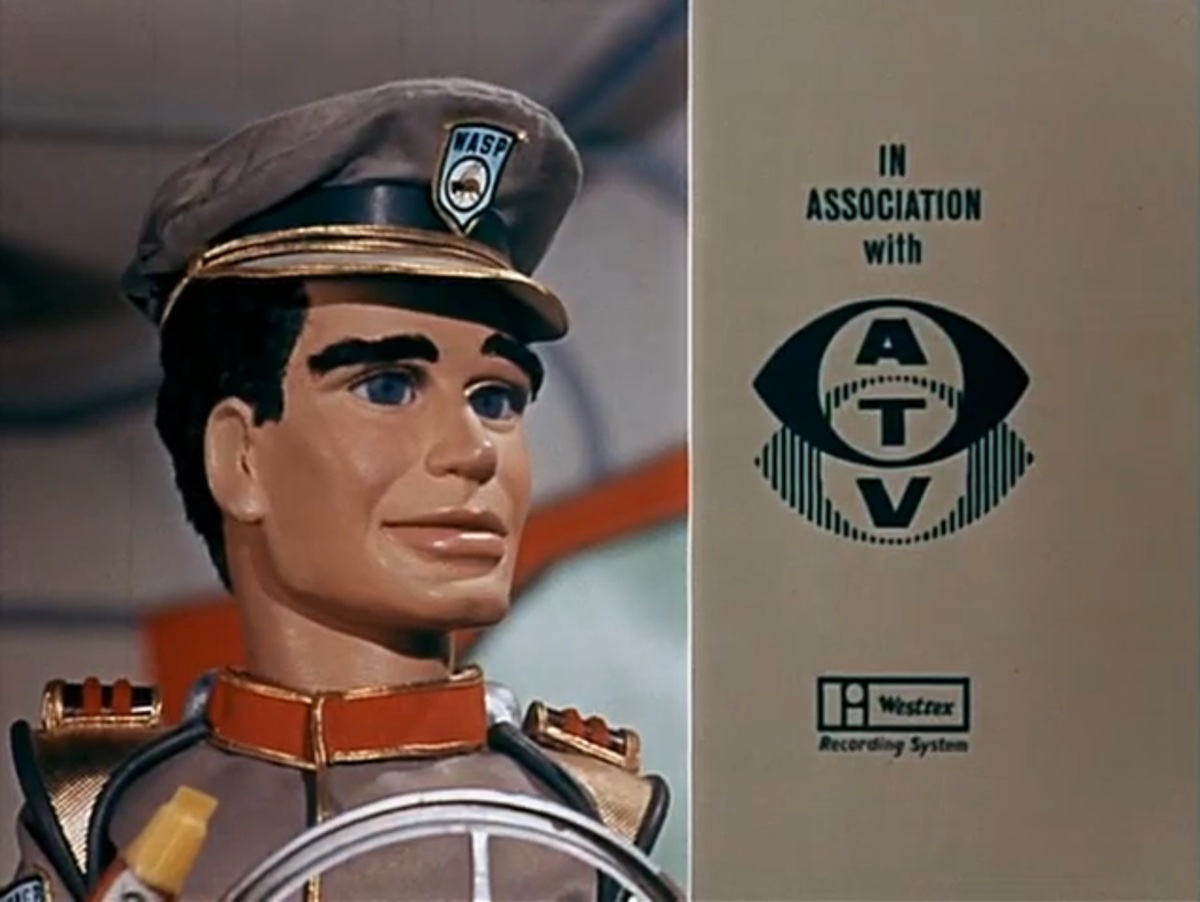
Following Fireball XL5, with their previous genre-switching success very much in mind, Gerry and Sylvia Anderson were already looking in a very different – and much wetter – direction. Stingray (ITV, 1964) was the space-age flagship submarine of the World Aquanaut Security Patrol – or W.A.S.P. for short – and patrolled the ocean depths under the command of dashing heartthrob Captain Troy Tempest and his trusty co-pilot ‘Phones’ Sheridan as they strove to defeat the latest plot by sub-aquatic despot Titan and his surface agent X-20 and fleet of ‘Terror Fish’, as well as assorted pirates, malevolent pond life and other watery ne’er-do-wells. Overseen by wheelchair-bound Commander Sam Shore, W.A.S.P.’s headquarters Marineville could literally disappear beneath the ground in a clamour of sirens and dramatic percussion-led music if circumstances called for it, but even there Troy couldn’t find much relaxation. Cultured and sharply-dressed communications supervisor Lt. Atlanta Shore and W.A.S.P.’s mute and mysterious mermaid associate Marina both had designs on him and an only moderately friendly rivalry with each other, but were also more than capable of confronting Stingray’s various challenges entirely by themselves – or sometimes slightly reluctantly together – with the nominal hero of the show often shown up by their emotional maturity and ingenuity.
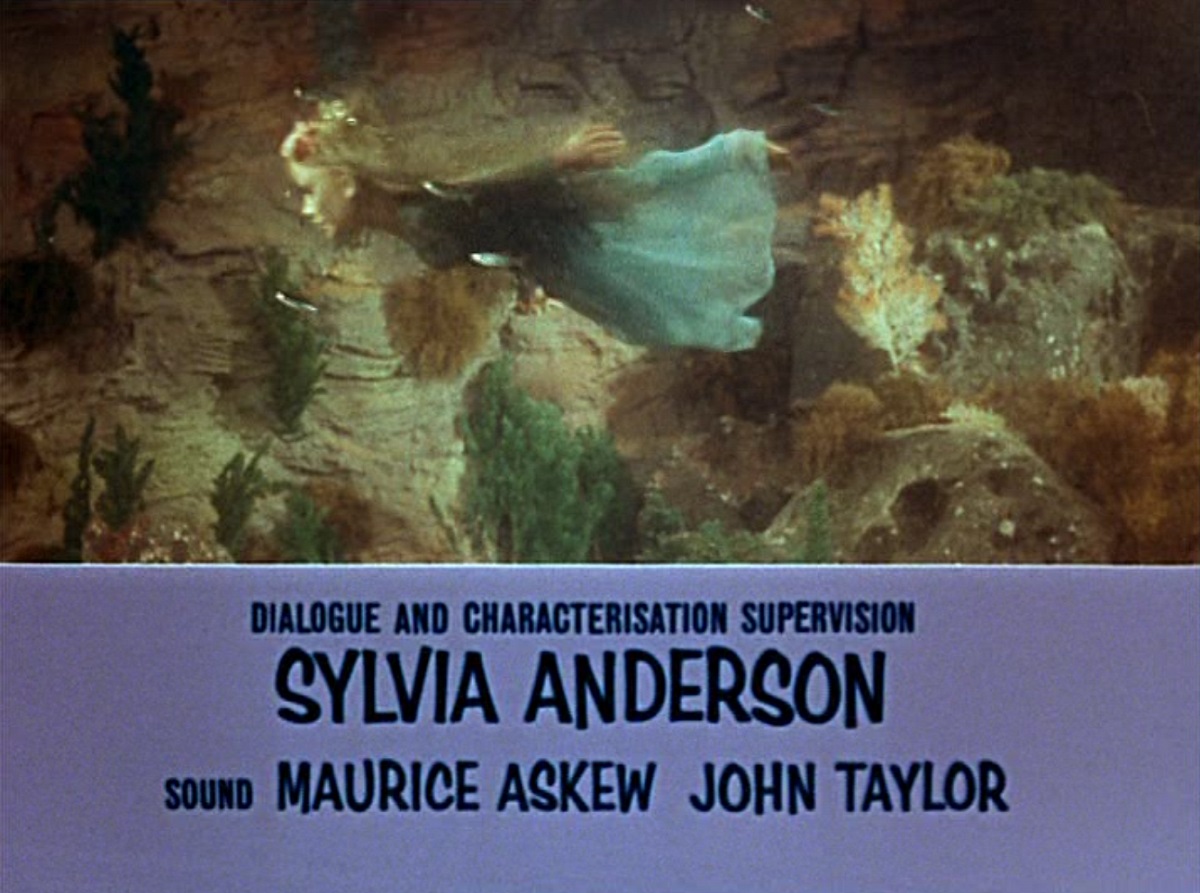
Opening with Commander Shore’s warning to ‘Stand By For Action!’ and a dynamic opening song that put many a James Bond theme to shame, it wasn’t just the format that marked Stingray out. At ATV head Lew Grade’s urging and with a view towards longer term sales to American networks, Stingray became the first British television series to be made entirely in colour, although viewers in the UK would have to wait until the very end of the decade to find out that Marina’s hair was green. The puppets, effects work and the dynamic editing – particularly effective with regard to Stingray’s constant switching between underwater and surface level action – were all becoming more and more sophisticated, and Barry Gray scored another hit with the closing theme, a plaintive ballad sung ‘by’ Troy Tempest by way of popular crooner Gary Miller in praise of Aqua Marina, which played over images of the puppet love triangle gazing longingly at each other from afar. Gary unwittingly had competition in the form of Duke Dexter, the first of several Supermarionation puppet pop stars, who ran up against Titan in one episode, and Stingray also introduced yet another tradition for the Supermarionation shows – the Christmas special in which a very healthy looking ‘sick’ puppet child accidentally causes a crisis and then saves the day.
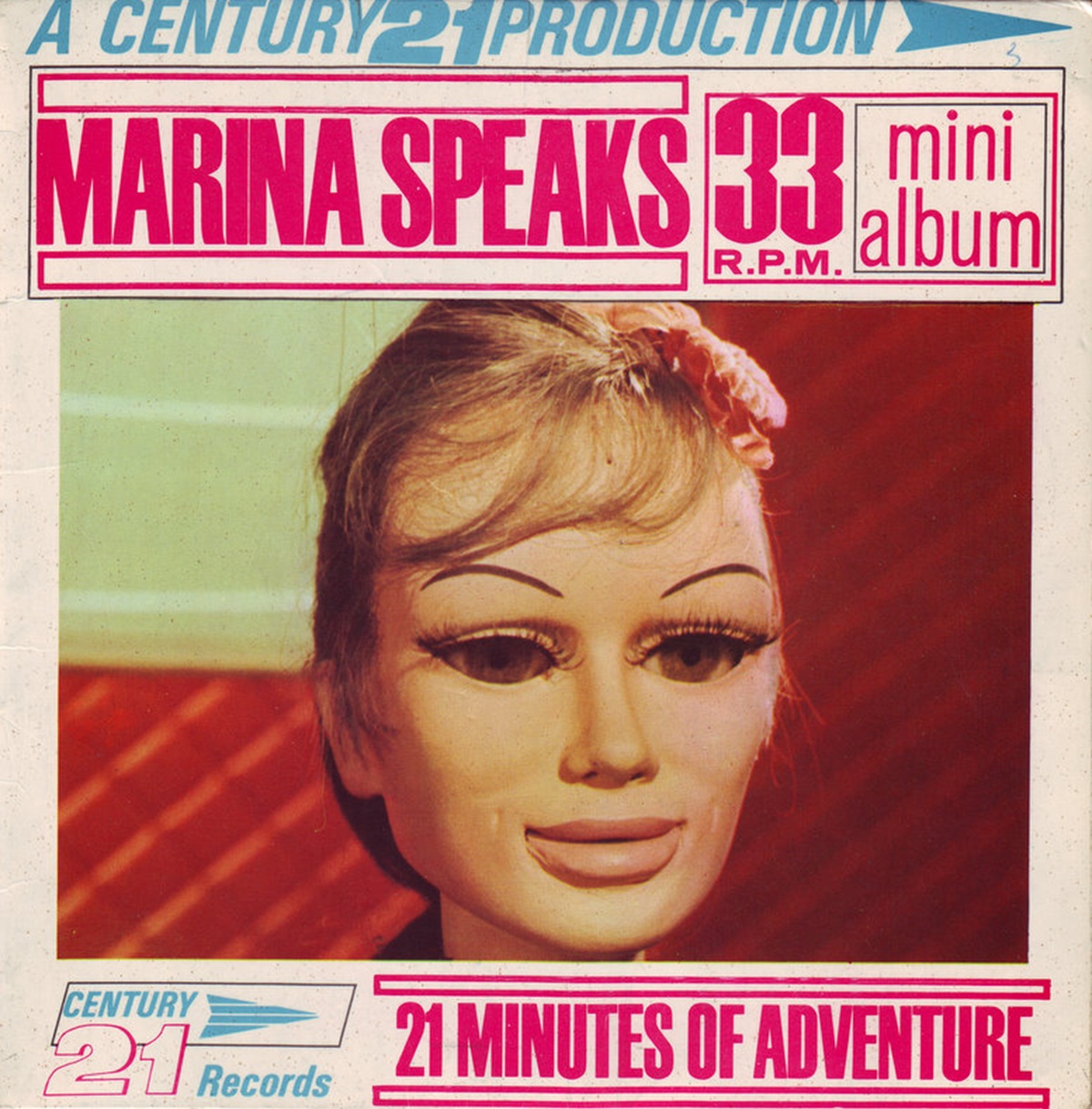
By the mid-sixties, Gerry and Sylvia were literally amongst the stars. The massive success of Thunderbirds (ITV, 1965-66) had taken them onto the big screen and into the world of glitzy premieres, and allowed them to create an entertainment empire of their own. Promising ’21 Minutes Of Adventure’, Century 21 Records issued a string of story records featuring the characters and music from their shows, while Century 21 Toys filled the high streets with replicas of Thunderbird 5 and the weekly TV Century 21 presented further adventures of The Tracy Brothers and company in comic strip form, alongside the slightly darker escapades of some interlopers from the BBC – Doctor Who’s recurring adversaries The Daleks, in an epic saga that delved deep into their mysterious origins and the morality of their quest for universal conquest. AP Films was even correspondingly renamed as Century 21 films, but from the harsher and more minimalist company logo and Barry Gray’s accompanying dramatic sting onwards, it was very much beginning to look like something had changed…
Buy A Book!
There’s lots more about the Stingray – along with Thunderbirds, Captain Scarlet And The Mysterons, Fireball XL5, Joe 90, Four Feather Falls, The Secret Service, Supercar and tons of long-forgotten rivals like Sara And Hoppity and Space Patrol – in The Golden Age Of Children’s TV, available in all good bookshops and from Waterstones here, Amazon here, from the Kindle Store here and directly from Black And White Publishing here.
Alternately, if you’re just feeling generous, you can buy me a coffee here. Just please don’t rely on Oink bringing it in balancing it on his nose or whatever.
Further Reading
I’m Certain To Fall I Know takes a look at the hopeless, hapless puppet love triangle at the heart of Stingray; you can find it here. You can also find a look at every Supermaronation-related soundtrack single – including the Stingray theme and Aqua Marina – in We’ve Got A Hot One For You! here.
Further Listening
You can find a chat with Richard Herring about the ups and downs of Supermarionation in RHSLTP Book Club here.
© Tim Worthington.
Please don’t copy this only with more italics and exclamation marks.

