
This attempt at figuring out the exact, precise and hopefully excitingly mundane details behind singer-songwriter Tim Buckley’s numerous semi-confirmed BBC television and radio appearances in the late sixties and early seventies – not that ‘details’ and Nick Drake fans are exactly prone to singing from the same taped-to-back-of-guitar setlist at the best of times anyway, but Tim Buckley generally eludes the level of scrutiny afforded to the overwhelming majority of his peers largely on account of his inconvenient adherence to a fast-living hedonistic lifestyle and determined move away from sensitive folk balladeering into uncharted experimental free jazz territory rather than being a readily identifiable ‘doomed’ ‘genius’ who preferred open tunings to fragmented funk riffs and reverb-drenched yodelling, which putting it mildly tends to confound the traditional rock critic narrative somewhat – was originally commissioned for a music magazine but, well, let’s just say there is a bit of a story there. The long and short of which was that, having invested a significant amount of effort and research into this, I felt entirely justified in reusing it in a considerably lengthier form – with much more additional detail on which songs may or may not have been performed on Once More With Felix and whether The Frodis Caper actually was shown by the BBC or not and if it did happen whether his performance was left intact, along with some further speculation on where and when Tim Buckley might have seen Camberwick Green – in Keep Left, Swipe Right, available in paperback here or from the Kindle Store here. Anyway, here’s the original version, and as The Monkees once so reverentially announced to an unsuspecting television audience, this is Tim Buckley…
By the time that Tim Buckley showed up at BBC Television Centre in April 1968, he had already made what were probably his two most significant television appearances – and viewers in the UK didn’t actually get to see either of them. The April 1967 CBS documentary Inside Pop: The Rock Revolution, in which he was seen performing the as yet unreleased No Man Can Find The War at the Café Au Go Go in Greenwich Village, was apparently too politically charged for either ITV or the BBC to purchase for transmission. Meanwhile The Frodis Caper appears to have been one of the episodes of The Monkees that the BBC quietly declined to show; presumably this was on account of the frankly wild storyline about broadcast-facilitated mind control, although it’s a fair bet that they would have trimmed his intense performance of Song To The Siren for pop-hungry teatime audiences anyway.
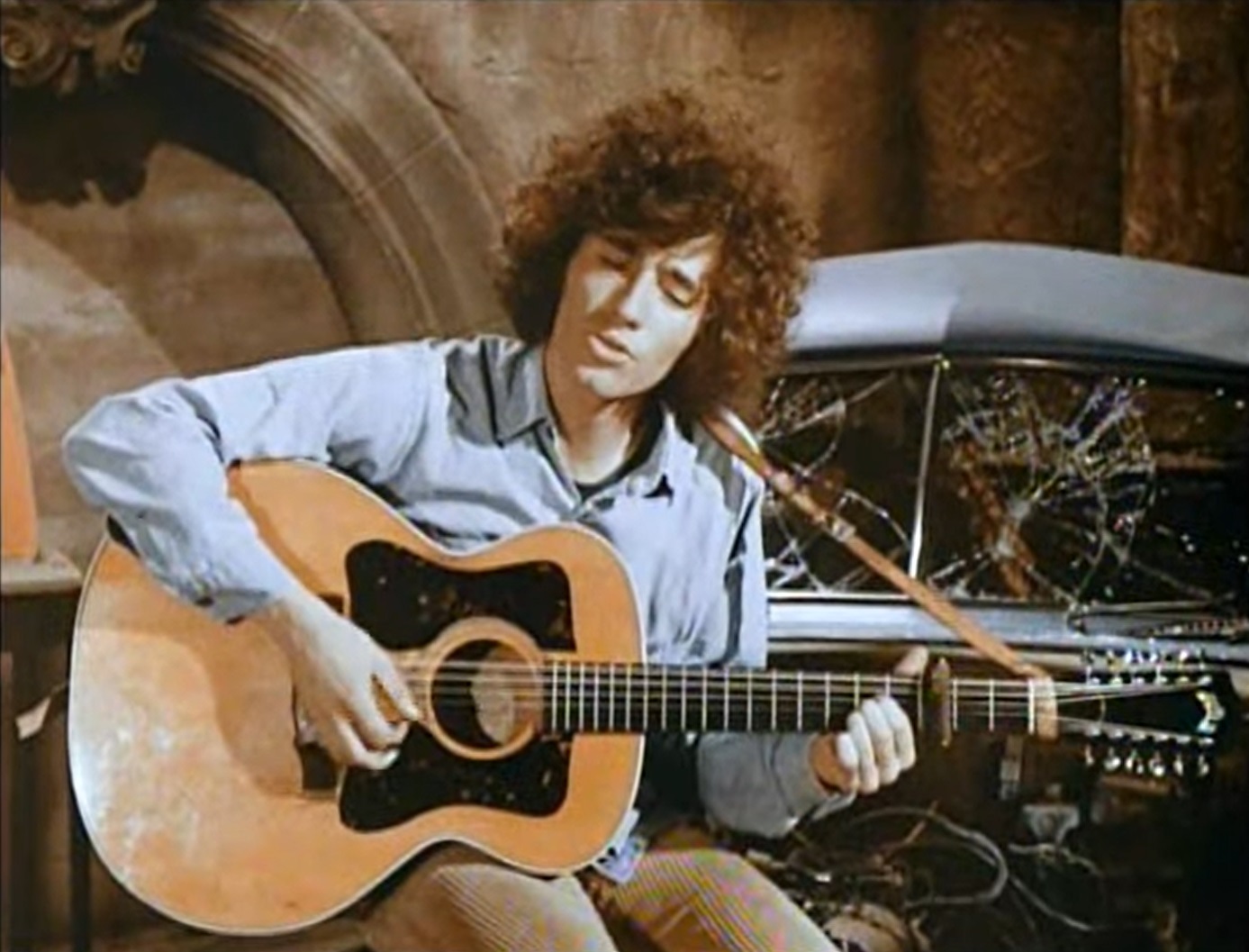
That same BBC audience, however, would get to see – and hear – more of Tim Buckley than perhaps any other television audience anywhere else in the world. During the course of two well-received visits to the UK in 1968, he appeared on a number of television and radio shows that captured him at the peak of his performing power, experimenting with a new sound and with new songs in a manner that in all honesty might only have been possible within the more artistic confines of late-night BBC2 and Radio 1. Unhappy with both his status as a poster boy for the folk rock movement and the demands of playing the same old songs night after night, excited by the possibilities of free jazz and avant-garde composition, and perfectly happy to live the life of a partying pop star rather than a political cheerleader, Buckley was keen to move in a very different direction and there was no better place to develop this than in small studios for the benefit of appreciative producers and audiences.
April 1968 wasn’t in fact Tim Buckley’s first visit to the UK; there’s some evidence to suggest that he had played a couple of dates in London the previous year to promote his 1966 debut album Tim Buckley, including a show at Camden’s Electric Garden alongside fellow singer-songwriter Roy Harper. Released later that year, follow-up Goodbye And Hello demonstrated a much wider sense of musical and lyrical ambition and increased use of his remarkable octave-straddling voice, and was already attracting a good deal more critical attention than the strong but undistinguished folk-rock stylings of his debut had managed to. For this return visit, Elektra Records’ London office were keen to secure any opportunity to help take that critical acclaim to a wider eager and receptive audience. Wings, one of the stronger numbers from his debut album, was released as a single to accompany the visit, and although details are scarce it appears that he at the very least performed at leading underground venues Middle Earth and The Speakeasy, and more prominently supported the hotly tipped folk/world music crossover act The Incredible String Band at the Royal Festival Hall. More significant in terms of his musical progression, however, were a handful of carefully arranged television and radio appearances.
On 2nd April 1968, accompanied by friends and regular sidemen Lee Underwood on guitar and Carter ‘CC’ Collins on percussion, Tim Buckley arrived at Studio 1 of the BBC’s 201 Piccadilly facility to record a session with producers Bernie Andrews and Pete Ritzema for Radio 1’s Top Gear, the station’s ‘progressive’ show broadcast on Sunday afternoons and presented at that point by John Peel. Six numbers were taped in a short session, of which only three – Morning Glory, Once I Was and Hallucinations – would have been familiar to listeners from Goodbye And Hello. The latter was performed as a lengthy medley with Troubador, a song that Buckley had regularly performed live from his earliest concerts but which had so far yet to make it on to any of his records, while the newer Sing A Song For You and I’m Coming Home To Stay were brand new compositions. The three inclusions from Goodbye And Hello were as good as unrecognisable from their album versions, stripped of all of the elaborate instrumentation and given an intense and impressionistic acoustic feel with pronounced jazzy touches. The less familiar numbers also fitted well with this new template, and were so radically different to what Tim Buckley had been known for prior to this point as to suggest that he had actually come over to the UK intending to promote his next musical move rather than his previous album. This suggestion is only compounded by Ritzema’s recollection to Ken Garner, author of the definitive Radio 1 reference work In Session Tonight, that Buckley had so enjoyed the session and the studio that he made enquiries about the possibility of recording his next album there; an idea that was hastily abandoned when he discovered that it was only equipped to record in mono.
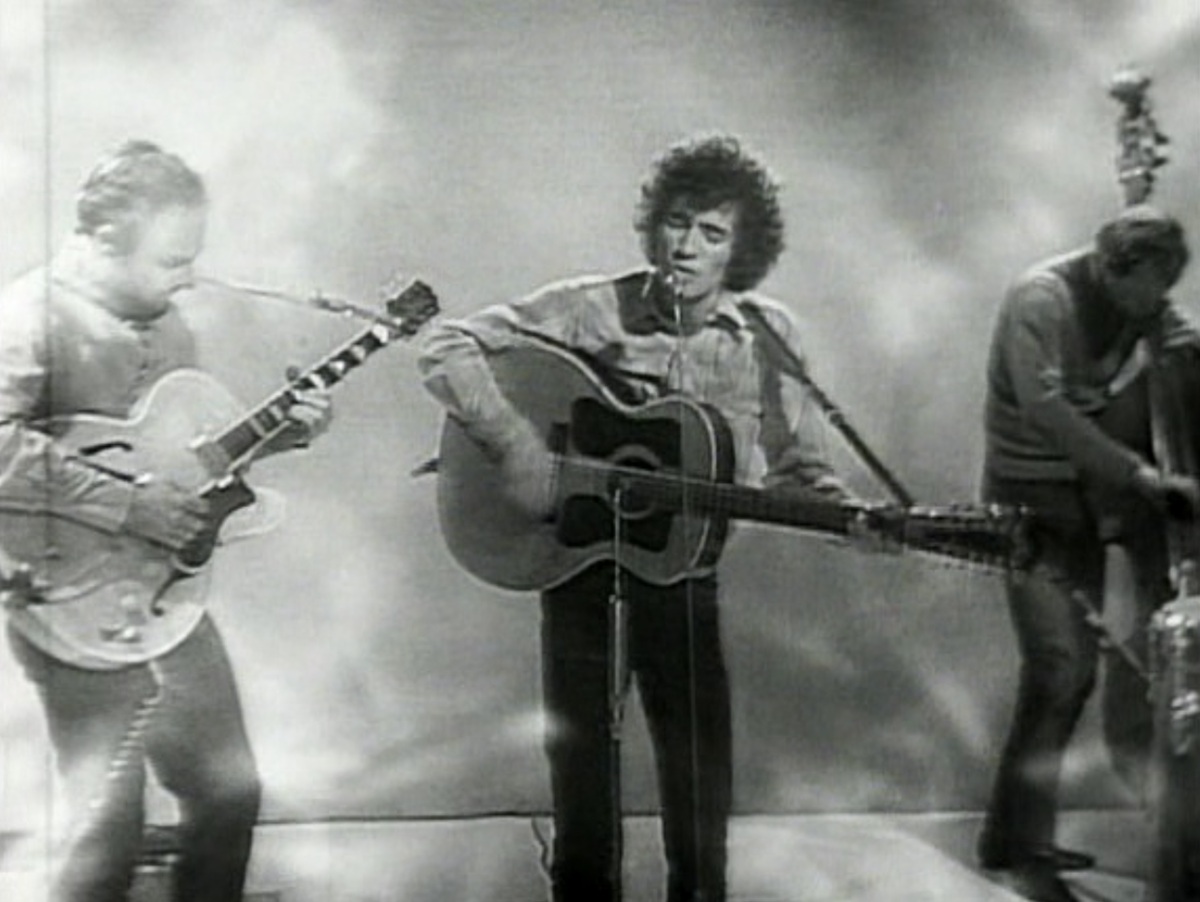
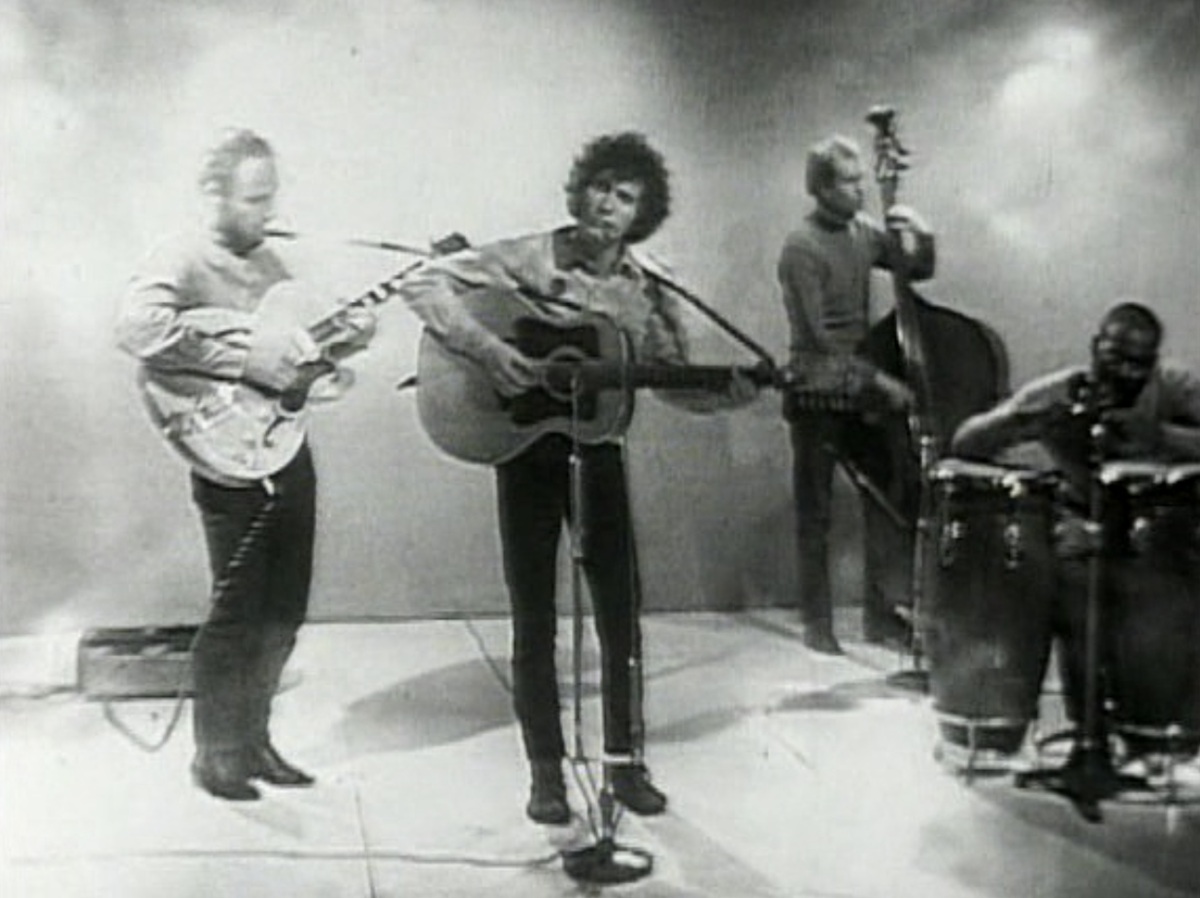
Later that same day, now with bassist Danny Thompson from folk-jazz outfit Pentangle in tow, the ensemble arrived at the BBC Television Centre to participate in BBC2’s arts show Late Night Line-Up. Broadcast from Presentation Studio B – one of the only colour facilities in the BBC at that point – Late Night Line-Up was a relatively highbrow effort yet still had a keen eye for popular culture in its wider forms, notably running features around this time on everything from the appeal of the cult children’s animation The Magic Roundabout to the first anniversary of the launch of Radio 1, and was especially keen to showcase musical artists of Tim Buckley’s critical standing. Indeed, Late Night Line-Up would soon inspire its own ‘progressive pop’ spin-off Colour Me Pop, which with a couple of diversions along the way would eventually evolve into the enduring rock showcase The Old Grey Whistle Test. Also taking part in Late Night Line-Up that night were acting husband and wife Jack Hulbert and Cicely Courtneidge and editor of The New Statesman Kingsley Martin, giving some idea of the audiences beyond the usual progressive crowd who were starting to pay attention to Tim Buckley’s music.
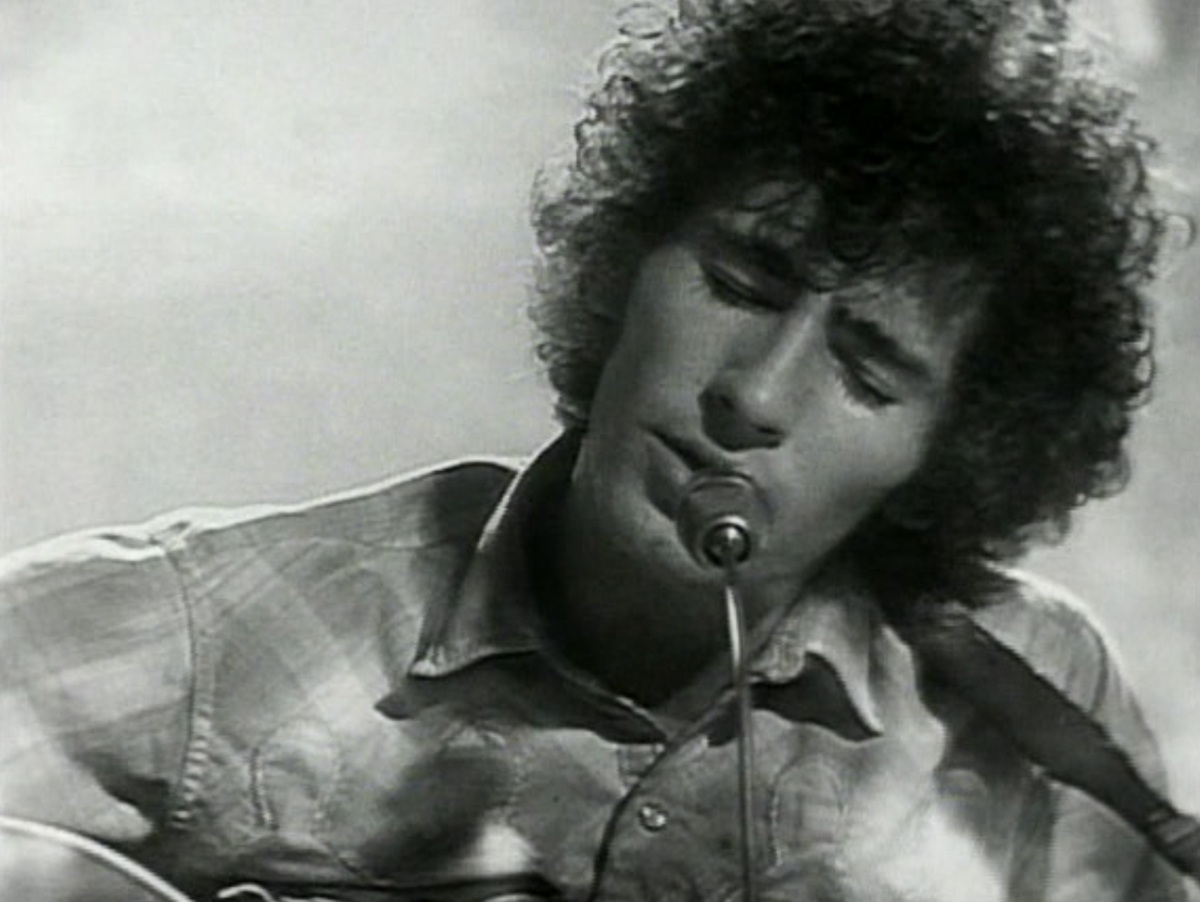
Following an evening of subtitled French films, P.G. Wodehouse and Sir Arthur Conan Doyle adaptations and offbeat variety from The Danny Kaye Show, Late Night Line-Up brought BBC2’s output that Sunday to a close and Tim Buckley’s performance was the very last item featured on it. Following a brief career biography and some words of appreciation from presenter Tony Bilbow, the band gave a lively performance of I’m Coming Home To Stay – introduced by Bilbow, presumably by mistake, as I’m Coming Home Again – followed by an even more soulful and meditative reading of Morning Glory than the one recorded earlier at Radio 1 as the show’s credits rolled. Other than a continuity announcer and the station’s closedown sequence, Buckley’s humming fading into blackness behind the programme’s closing caption was the last thing seen on BBC television that day.
The first four songs from the Top Gear session – Coming Home To Stay, Morning Glory, Sing A Song For You and Troubador, the latter being initially split from Hallucinations – were broadcast by Radio 1 on 7th April, in an edition that also featured new sessions from The Alan Bown and Ten Years After and second outings for sessions by Traffic and The Idle Race. A repeat of the session – a contractual arrangement rather than in response to listener demand –on 19th May, alongside Elmer Gantry’s Velvet Opera, Gilbert O’Sullivan, The Small Faces, Love Sculpture and an interview with Mick Jagger and Brian Jones, added Once I Was and Hallucinations. John Peel mentioned in his column for the underground magazine International Times on 3rd May that he had taken the opportunity to meet Buckley, who had recommended Fred Neil’s recent album Sessions to him, which Peel typically went on to damn with faint praise. Buckley, however, had been sufficiently taken with Neil’s music to incorporate a version of Dolphins, from 1966’s Fred Neil, into his live set. It was a song that he would return to several times throughout his career.
By the time that the repeat of the Top Gear session went out, Buckley had been back in America and back on the live circuit for over a month, and on 3rd June he made a somewhat less than comfortable appearance on The Steve Allen Show where he followed a performance of I’m Coming Home To Stay by missing his cue to join the other guests by the host’s desk, and was visibly thrown by the quickfire showbiz chatter that he was expected to join in with. A sharp contrast to how he had been treated by the BBC, and an experience that apparently fostered a suspicion of the mechanics of television that was certainly evident on his return to the UK in October. The main focus of this visit was a concert on 7th October at The Queen Elizabeth Hall, an eclectic concert hall on London’s South bank which had recently started to cautiously play host to similarly eclectic rock musicians, notably with Pink Floyd’s ‘Games For May’ the previous year. Buckley’s growing reputation and the general popularity of the venue pretty much guaranteed that tickets would sell well, but there were also records to sell on the back of it, and to this end Elektra arranged a fresh round of television and radio appearances. On 1st October, he was back in 201 Piccadilly with Underwood, Thompson and vibraphone player David Friedman – Collins hadn’t been able to make the trip – for a new Top Gear session again produced by Andrews and Ritzema with Bob Conduct. The recording featured three new songs in the established new style; Love From Room 170 – the ‘At The Islander On Pacific Coast Highway’ either had yet to be added or had pushed the patience of the note-taking studio engineer too far – Buzzin’ Fly and an untitled number, and in many respects served as a warm-up for the forthcoming show.
According to an Elektra fan club newsletter, Buckley had apparently been booked to appear on 4th October on How It Is, an early evening BBC1 youth-orientated discussion show hosted by writer Angela Huth and Oz editor Richard Neville. Intended to promote the single release of Goodbye And Hello track Pleasant Street, which hit the shops that day, Buckley would certainly have felt at home on the show which that week also featured a topical contribution from John Peel and a surprising appearance by The Fugs, a dissolute New York-based performance poetry troupe with whom he had shared the bill on numerous occasions. However, the programme itself is long gone and the surviving paperwork appears to suggest he wasn’t featured in it; reportedly, he went off on his own earlier in the afternoon and simply didn’t show up. Given how far ahead he was already thinking with his music, it’s entirely possible that Buckley might have felt unhappy promoting a single featuring a song that was well over a year old with a lavish baroque arrangement that he would no longer have found interesting; in live performances around this time, Pleasant Street became a significantly slower and moodier piece often forming a medley with an anguished reading of The Supremes’ You Keep Me Hangin’ On. It would certainly help to explain an extraordinary incident that took place during the recording of another BBC television show over that same weekend.
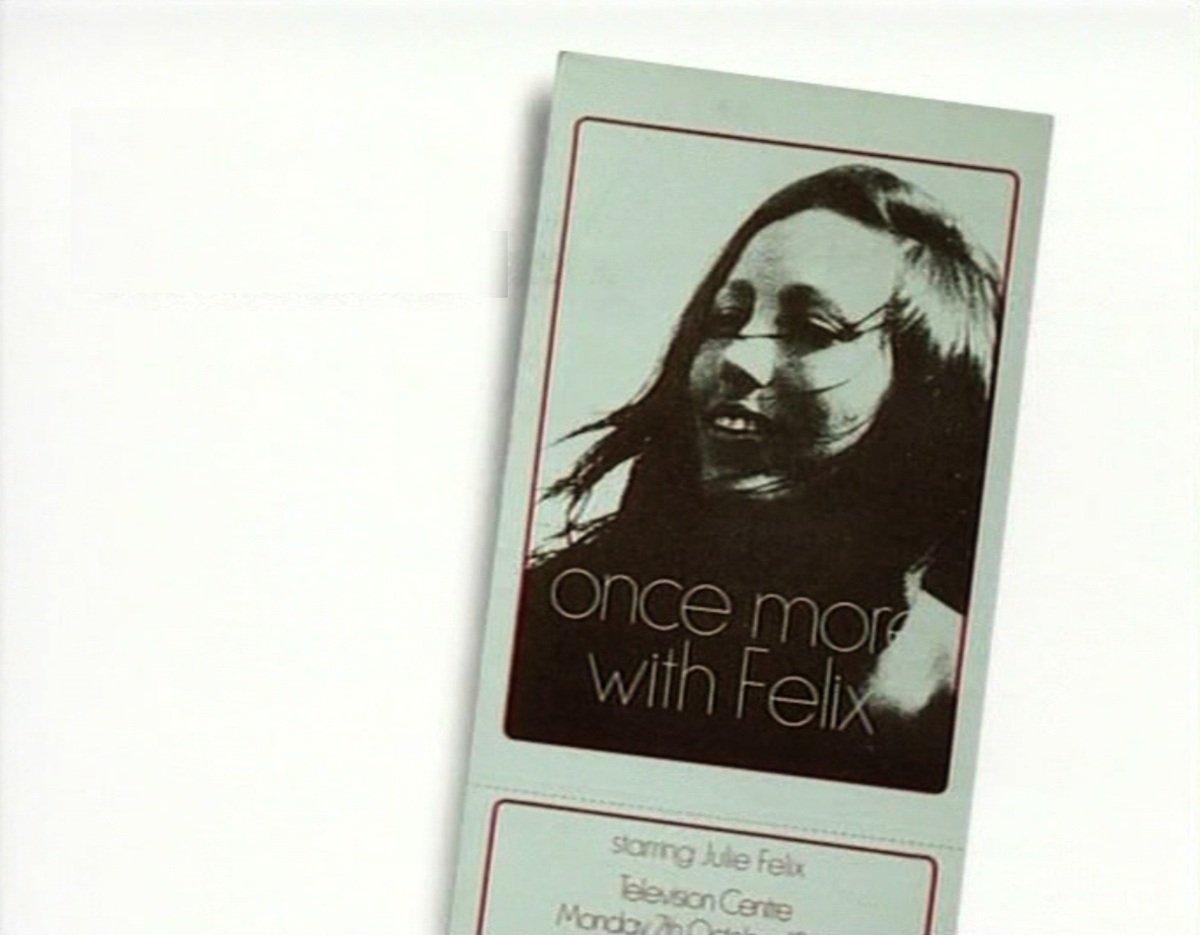
Presented by Julie Felix, an American folk singer who had found a good deal of popularity in the UK following her regular appearances on BBC1’s topical satire show The Frost Report, Once More With Felix was a BBC2 series that showcased singer-songwriters with live performances from the likes of Leonard Cohen, Tom Paxton, The Incredible String Band and on one remarkable occasion, Jimmy Page politely showcasing an instrumental he had recently been rehearsing with his new band Led Zeppelin. Backed by Underwood, Thompson and Friedman, Buckley joined the host for a duet version of Goodbye And Hello highlight Phantasmagoria In Two – also by now drastically reworked in live performances – and was also scheduled to perform two of his own numbers as selected by the production team. According to Thompson, Buckley announced on the spot that they were performing a brand new song instead, which ran drastically over his allotted timeslot with the Floor Manager’s frantic signals to them to stop being met only with disapproving glares. After finishing his number, Buckley reportedly immediately packed up and left the studio.
The Queen Elizabeth Hall concert – later released in full as the Dream Letter album – took place on 7th October to a rapturous reception, after which the ensemble set off on a short European tour. The Top Gear session was broadcast on 13th October – apparently its only broadcast – alongside sessions from Fleetwood Mac, Joe Cocker and Honeybus, and John Peel back-announced the set by musing “I hope he comes back very soon”. This was followed by Once More With Felix on 23rd November, as part of a typically highbrow evening on BBC2 that also took in a serialisation of Tolstoy’s Resurrection, a documentary about novelist Charlotte Bingham, the arts discussion show Release and an edition of Colour Me Pop featuring The Alan Price Set and Julie Driscoll, Brian Auger And The Trinity. Whether Buckley’s overrunning number made it into the long-wiped broadcast version of the programme is sadly unclear from the surviving paperwork, although the fact that one of the other guests was Richard Harris who was billed as performing two of his no doubt lengthy numbers casts some doubt onto its chances. This does also mean that it’s difficult to say which new song this would have been, although the timing and supposed length would seem to suggest that it may have been I Don’t Need It To Rain, a fifteen minute-plus number performed live on several occasions late in 1968. The Once More With Felix appearance may well have been the only time this song was heard in public until a live recording from Copenhagen from October 12th 1968 surfaced on the Once I Was compilation in 1999.
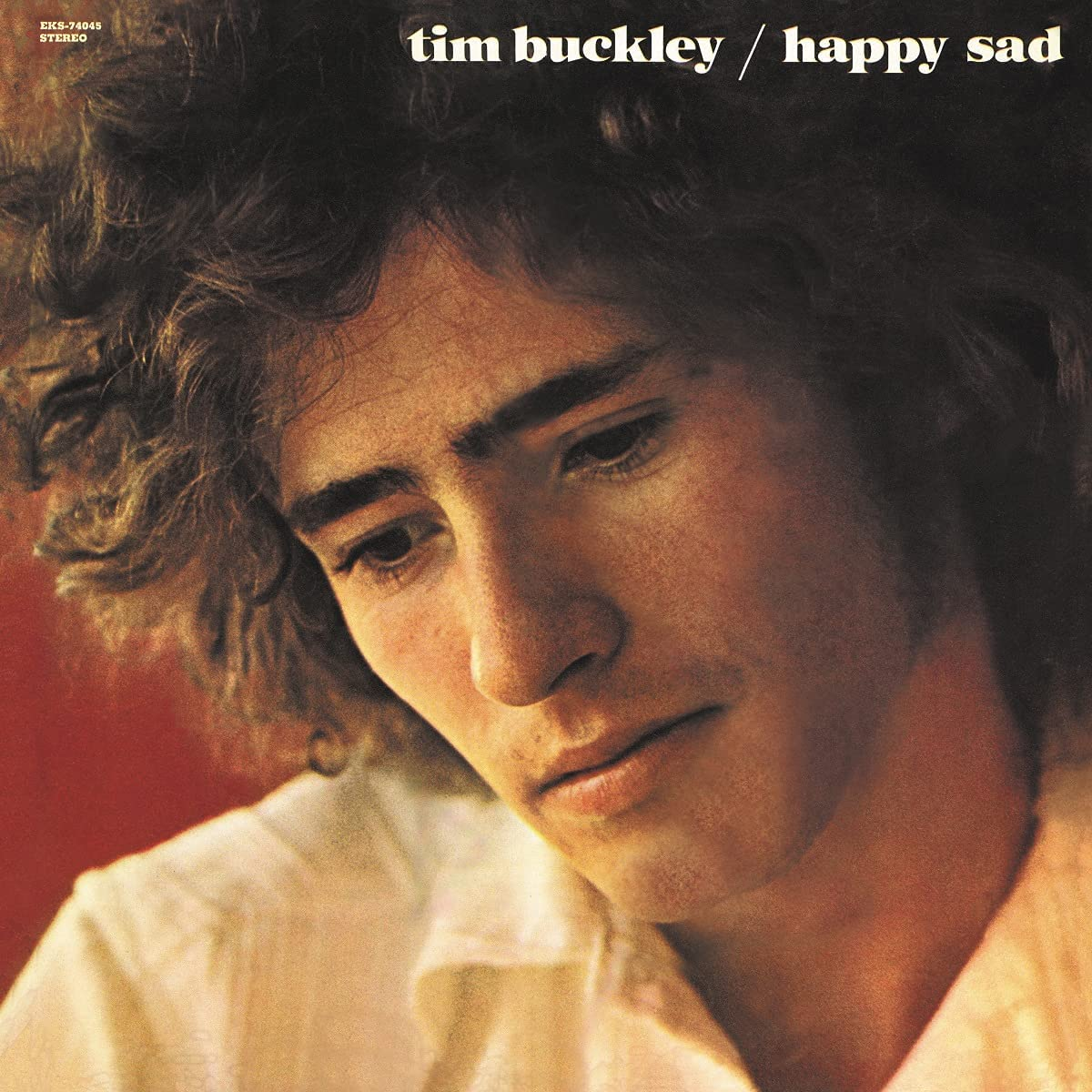
By then, Buckley was already back in the studio working on Happy Sad, a new album that capitalised on the sound he had refined during the UK visits and included Buzzin’ Fly, Sing A Song For You and what was now going by the full title of Love From Room 109 At The Islander (On Pacific Coast Highway). Although Happy Sad succeeded in shaking off the elements of his fanbase that he was only too happy to lose, it was also his most commercially successful album and met with widespread acclaim. Buckley was already planning beyond this, however, and quickly began more or less simultaneous work on a trilogy of albums that would take him ever further away from mainstream acceptance. Released in quick succession during 1969 and 1970, the laid-back and modal jazz-influenced Blue Afternoon – which included both Coming Home To Stay under its new title Happy Time and a drastically rewritten version of the untitled number from the second Top Gear session as The Train – the eerie and abrasive Lorca and propulsive avant-garde jazz rock of Starsailor were almost entirely free-form in approach and thrilled as many listeners as they alienated. Facing contractual problems and with little record company support and few live bookings, Buckley took some time out and briefly dabbled in acting before returning in 1972 with a new funk sound and frequently explicit lyrics.
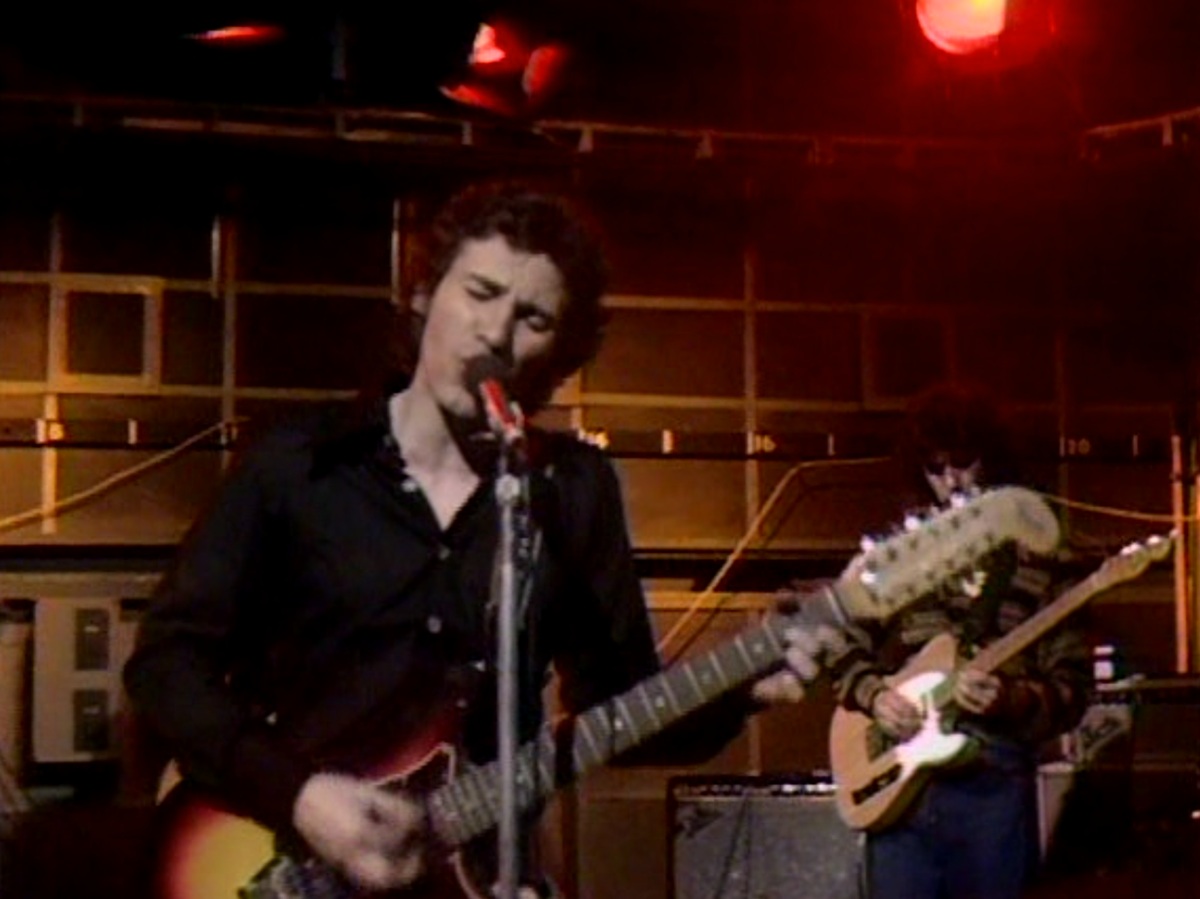
While suffering from airplay resistance and a lack of interest from his established audience, 1972’s Greetings From L.A. and the 1973 follow-up Sefronia did much to restore Buckley’s commercial fortunes and by all accounts he was actively enjoying making music again. This was especially evident in his television performances from around this time, not least when he showed up back at that same Presentation B Studio in May 1974 to record an appearance on The Old Grey Whistle Test. Capitalising on a recent resurgence of interest in the UK, and accompanied by a band that included King Crimson drummer Ian Wallace alongside Family guitarist Charlie Whitney and popular session bassist Tim Hinkley, Buckley turned in a spirited performance of two tracks from Sefronia – Honey Man and Dolphins, the latter of which he had finally recorded after many different arrangements and interpretations – and the set was broadcast to considerable acclaim on May 21st. With the release of Look At The Fool later that year, Buckley seemed to be edging towards a new and more stable phase in his career – playing sold out shows incorporating new arrangements of some earlier favourites, which helped to reconcile him with the fans he had alienated – when his love of hard partying caught up with him in June 1975.
That same performance would come to be featured in many of The Old Grey Whistle Test’s highlights and retrospective shows and later the first DVD compilation, while the Late Night Line-Up appearance – which had survived by pure chance as a black and white film print – became a favourite with rock clip show producers after I’m Coming Home To Stay found its way into BBC2’s Sounds Of The Sixties in 1991. Earlier that same year, the first Top Gear session – the second sadly only surviving as a poor quality off-air recording – had seen release by Strange Fruit records under their ‘Peel Sessions’ imprint, revealing an amusing spot of studio chatter as Buckley sighs “just tell whoever to shut up and turn the thing on” before launching into Once I Was. All of the above would appear on various compilations before both surviving BBC television performances found their way in full onto the My Fleeting House DVD in 2007. Sadly there is no sign of the Once More With Felix performance, although several editions of the series do survive and there have been many more surprising rock and folk discoveries from the same era in recent times so it’s not impossible that it might be out there somewhere. That’s not all that could be recovered, either; although the Late Night Line-Up appearance only exists on black and white film, it was visibly transferred using a process that retained the colour signal information – known as ‘chroma dots’ – and could theoretically be restored to full colour and video look using processes that have already been successfully used on episodes of Doctor Who and The Morecambe And Wise Show. While it’s unlikely that this would be at the top of the list for restoration, it’s nice to know that it could be possible.
As well as a musical snapshot of a pivotal moment in Tim Buckley’s career, those four known BBC performances in 1968 are also a fascinating reminder of just how often supposedly ‘obscure’ artists actually found their way onto television and radio, even at a time when there were only less than a dozen channels of any description. It’s also fascinating to chart just how quickly and decisively his musical style changed, and while it’s true to say that the best versions of the songs from his earlier albums can generally be found on later live recordings, it’s also true that this had to start somewhere, and if he hadn’t had the chance to essay his performance style in small studios in front of small audiences then he may well never have taken that direction. So while BBC viewers didn’t get to see Tim Buckley on Inside Pop or The Monkees, they got to see – and hear – some of the most thrilling performances of his entire career. Well, apart from when he didn’t turn up.
Buy A Book!
You can find an expanded version of Buckley At The Beeb, with a lot more on the original mid-sixties BBC broadcasts of The Monkees and further speculation on what the new song unstoppably premiered on Once More With Felix might have been, in Keep Left, Swipe Right, available in paperback here or from the Kindle Store here.
Alternately, if you’re just feeling generous, you can buy me a coffee here. If you can get past that woman in the café with the waltzing eyes or whatever it is.
Further Reading
What happened when I put Buzzin’ Fly by Tim Buckley on a CD for someone who didn’t have a CD player? Find out in Wish I Could Sing It To You here.
Further Listening
You can find more of the sights and sounds – well, mainly sounds – of late-night mid-sixties BBC2 in Late Night Line-Up: “Isn’t It Hot?”, Said Florence here.
© Tim Worthington.
Please don’t copy this only with more italics and exclamation marks.

