
As assorted members of the press assembled at The Savoy and politely snapped Max Bygraves and Joan Crawford helping ‘Miss Christmas’ – in actuality a very young Donna Reading, later to enjoy a prolific career in British horror from Witchfinder General to Dead Of Night as well as acting as a frequent female stooge in Monty Python’s Flying Circus – to ‘deliver’ presents to underprivileged children, it’s fair to say that Christmas in 1966 was well underway. As the newly launched pre-real gripping hands Action Man sold out in toy stores the length and breadth of the nation, and Palitoy-rueing parents rolled their eyes at Parker pen set adverts with a bloke looking ‘wryly’ from inside a Santa suit and resigned themselves to the fact that they would inevitably wind up getting three of them despite neither having any desire nor purpose for a propelling pencil, everyone else went out and bought Tom Jones’ The Green Green Grass Of Home as a sort of sentimental gift for elderly relatives whom they otherwise had nothing approaching the faintest idea of what to buy for, pushing it to the Beach Boys-unseating Christmas Number One slot in the process. As The Beatles worked away at Abbey Road mixing and editing Strawberry Fields Forever and Penny Lane and dubbing woodwind onto When I’m Sixty Four, Fabs-deprived fans eagerly awaited the arrival of their annual fan club Christmas flexidisc – this time a collection of surreal sketches based around the theme that ‘Everywhere It’s Christmas’, all the way from ‘two elderly Scotsmen munching on a rare cheese’ and the crew of the HMS Tremendous toasting her majesty to Podgy The Bear and Jasper trying to remember how to go to the shops, incorporating the chortle-inviting Please Don’t Bring Your Banjo Back as often mistaken by the inattentive for a lost slab of Carnival Of Light slash Shirley’s Wild Accordion level avant-garde experimentalism. Meanwhile, just as viewers were struggling to adjust to Patrick Troughton taking over in the title role and insisting on playing Can You Sew Cushions? on the recorder whilst sporting a hastily-discarded Stovepipe Hat that wasn’t, The Doctor Who Annual 1967 remained resolutely devoted to the William Hartnell incarnation, permitting TARDIS-hungry fans to indulge in such extra-curricular escapades as the splendidly-named Mission For Duh.
On screen, however, Doctor Who eschewed any notion of festive trimmings in favour of Jamie’s accent ‘mellowing’ to ‘TV Scots’ as The Highlanders claymore-waved its way towards its Christmas-straddling conclusion, and in fact if you peruse the television and radio listings for the holiday season then it really is noticeable just how little there was in the way of festive programming ahead of the big day itself, and indeed how late on it commenced. On BBC1 you would have found few hints that Santa was on his way outside of Christmas Crackerjack! (CHRISTMAS CRACKERJACK!) featuring Ray Alan and explicability-defying full-size human ursine costume thingymajig ‘Coojee Bear’, Sooty’s Christmas Dream which doubtless involved Soo threatening to tell Father Christmas to put him on the naughty list because he was playing behind the table or something, and Susannah York reading the very much yuletide-aligned The Children Of Green Knowe on Jackanory; you can find much more about the later full-scale live action Children’s BBC adaptation here, incidentally. John Lennon was doubtless making some Sgt. Pepper-anticipating notes as Thora and Freddie set off on a spot of Christmas Travel in Meet The Wife, while The Coopers were apparently anticipating a ‘dismal’ Christmas – to be fair they were going to be spending it with Byrds-haired irritant Lance – until Judy Geeson-portrayed eldest daughter Maria unexpectedly made it home in time for Christmas Eve on BBC1’s original gritty soap opera The Newcomers, which again you can find much more about here. Religious magazine show Viewpoint brought in girls from Mayfield School, Putney and boys from St. Paul’s Junior School, Hammersmith to trill and chime bar their way through a selection of carols from Donald Swann’s collection Sing Round The Year as part of an alleged spectacular under the banner ‘Here We Go Up To Bethlehem’, offbeat documentary strand Look At… put forward the challenging perspective that The Robin is a bit of a git really, and The National Film Board Of Canada’s celebrated juxtaposition of charitable good-deedery and commercially-orientated carousing The Days Before Christmas enjoyed a discreet sensibility-respecting outing last thing at night on BBC1. Other than a Carol Service and Midnight Mass on Christmas Eve itself, that was pretty much your lot.
Over on BBC2 matters were even more restrained still. Julie Stevens and Terence Holland spent the week decorating the Play School Christmas Tree and reading stories like The Town That Forgot It Was Christmas, The Danny Kaye Christmas Show dashed through the snow directly from CBS, and Time Out presented a Ludovic Kennedy-fronted look at how holidaymakers who haven’t decided on next summer’s destination by Christmas are unwittingly rapidly becoming a growth market open to commercial exploitation. Probably best not to ask him to pull your cracker. Light Programme listeners were regaled with a daily instalment of Hughie Green ‘remembering’ Christmas on Five To Ten, while Margaret Powell doled out Christmas Dinner hints on Woman’s Hour, Terry Wogan spun a selection of discs to accompany tree-decoration, Wilfred Pickles’ Morning Story was the winningly-named Christmas Story by the equally winningly-named Scholes More, Harry Secombe advised listeners to “be of good cheer and have a Dickens of a good Christmas” – it’s almost as if he had something to promote – and The Dales contrived to mention the impending festive season roughly every three minutes with storylines about holiday jobs and trying to save up enough money for a snow-seeking jaunt to Sweden. The Light Programme spread tidings of comfort and joy to Listen With Mother listeners and their mothers with such seasonally-tinged tales as The Story Of Christmas by Jean Sutcliffe and Crackers The Christmas Cat by Ursula Hourihane, while in a bumper edition of Home This Afternoon, Freddie Grisewood presided over a ‘Christmas Card in sound from Rome’ from Valentine Selsey, Christmas safety tips from Polly Elwes and a specially-commissioned short story, Christmas For The Tramp by Robert Rietty. The Third Programme could only muster up a Christmas greeting from the England cricket team and John Warrack taking a look about ‘books about music for Christmas’, which might not sound like much but for them it’s tantamount to inviting the entire neighbourhood round for a boozy open-house ding-dong. Meanwhile, ITV limited itself to seasonal editions of the likes of George And The Dragon (and there’s more about that exact Christmas Special here, coincidentally enough), Opportunity Knocks and On The Braden Beat alongside such oddities as Bob Monkhouse’s Christmas Mad Movies, experimental Howerd and Forsyth team-up Frank And Brucie’s Christmas Show and, just in case you were at risk of actually enjoying yourself, Just Jimmy with Jimmy Clitheroe, preferring instead to save their steeple bells being swungen for headlining Christmas Day offerings A Merry Christmas From Tingha And Tucker, Gala Opportunity Knocks, Secombe, Friends And Relations and of course Give Or Take A Million, the Thunderbirds Christmas Special in which the Tracy Brothers are helped to foil a bank robbery by, inevitably, a conspicuously healthy looking ‘sick’ child puppet.
Along with Batman, A Funny Thing Happened On The Way To The Forum and The Brides Of Fu Manchu, Virgil and company also headed up the decidedly non-Christmassy cinema marquees in the widely swerved Thunderbirds Are Go! as December rolled on, and with Elvis Presley’s If Every Day Was Like Christmas sounding the lone note of festivity in the entire hit parade, it is fair to say that there was decidedly less in the way of ‘Christmas’ around than you might well meet with now but it is also correspondingly entirely possible that people appreciated what little there was all the more. It was a world where most shop front festive displays involved little more than a couple of paper chains and crowds would gather to see the local Christmas lights literally just being switched on by an ‘alderman’ rather than by an ‘event’-surrounded disinterested celebrity, but as much as we might all miss the gingerbread and Toffifee lattes and app-powered pop-up interactive Christmas Trees whether we would admit it or not – with only the most unremittingly humourless of hipsters and boneheaded of ‘woke’-decrying Reform adherents, ironically united in their alacrity that ‘it’ keeps ‘starting’ ‘earlier’ every year, liable to present an argument to the contrary – there is something to be said for those simpler festive times. Not necessarily something involving figgy pudding and requests for the bringing thereof, but we cannot entirely discount the possibility.
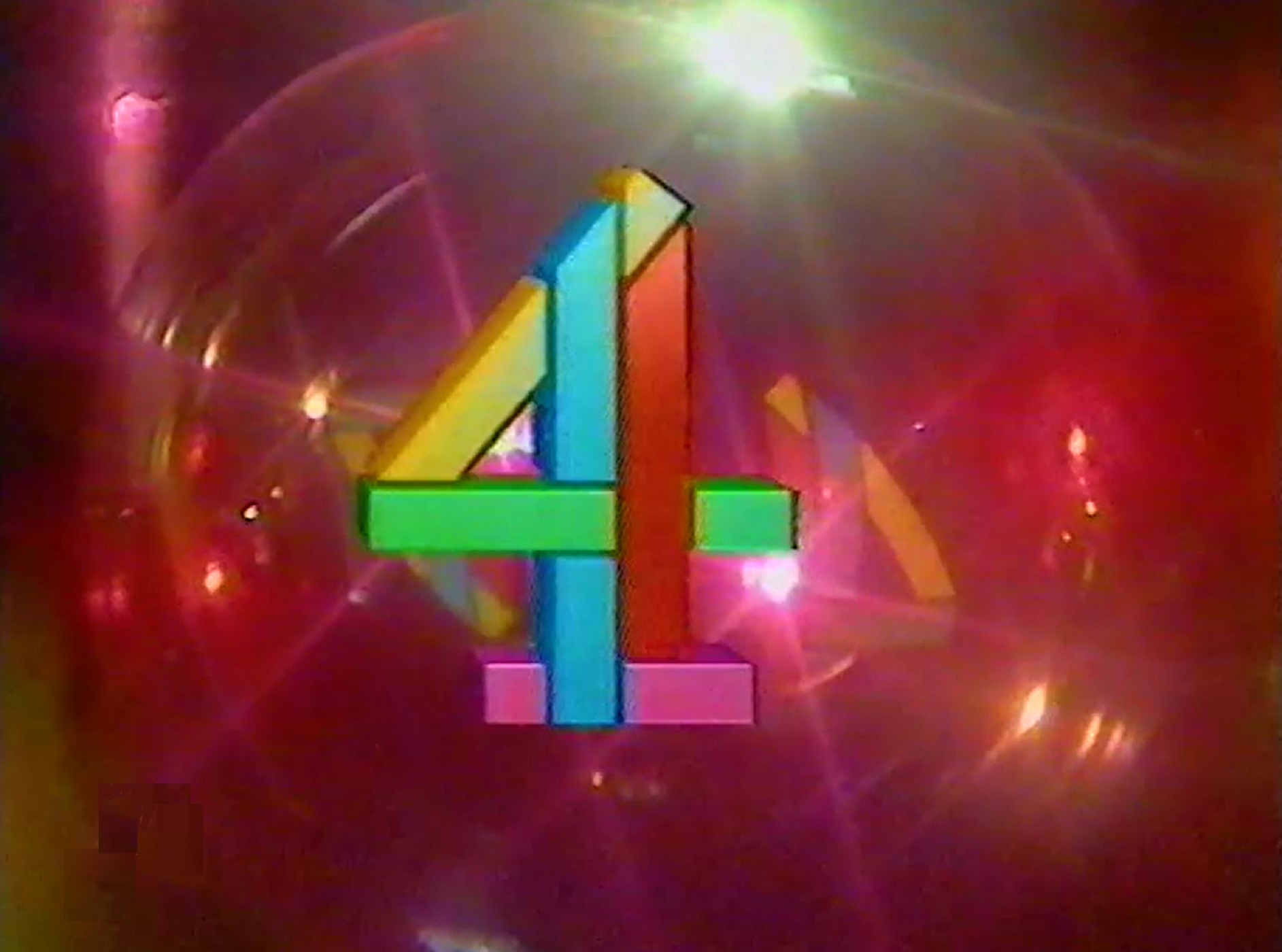
What there has been a conspicuous lack of mention of thus far, however, is a certain album released late in 1966 to coincide with a very different seasonal market in those very different seasonal times, which would later form the basis for the frustratingly elusive soundtrack to The Box Of Delights. That is because there was a corresponding abundance of mention of it on here when that soundtrack finally found an official release with The Pro-Arte Orchestra’s original 1966 reading of the third movement of Victor Hely Hutchinson’s Carol Symphony included as a very welcome bonus track, and it would not be unreasonable to suggest that a little of that sense of a simpler Christmas for simpler times found its way into my accompanying in-depth look at the history of both that soundtrack and that original album, which in turn chimed unintentionally with an independently devised playlist with ‘sleevenotes’ of long forgotten Christmas singles from the sixties, and perhaps moderately less so with unintentionally aligned recollections of even less successful eighties Christmas singles, a textbook example of wilful Christmas Day oddness from Channel 4, and my own far from festive thoughts on what I would put on if I had control of the television schedules for an evening, but as they say it’s the thought that counts. Incidentally if you’re planning to give a spin to Christmas Music From Guildford Cathedral, apparently they do now have their own in-place of worship café, so why not grab me a coffee here while you’re passing? It’s locally roasted and everything. Anyway, it sounds distinctly like someone somewhere is rustling up a ‘posset’, but before we get to that…

Although most commentators tend to understandably run with the narrative that pop music suddenly discovered the festive season in the early seventies while industrial action ran rampant with a power outage-deflated audience desperate for a bit of tinsel-festooned fun – which, to be fair, is both to an extent substantially true and endlessly interesting to write about – it is also equally true that rock’n’rollers, bandleaders and a proliferation of middle-aged women doing that thing where they continually ostentatiously lift one hand whilst battering a piano alike had been trying to and often succeeding in scoring a seasonal smash since the very dawn of the Hit Parade. In fairness, Noddy Holder, Roy Wood, Greg Lake and John Lennon were all unashamedly open about the inspiration that they had drawn from earlier Christmas hits, but the inescapable reality is that they all dated from an era when pop music had yet to evolve into anything beyond being instantly disposable the second a chartbound toe-tapper’s literal shelf-life had finished, and in most cases remain almost entirely forgotten even now. As a keen student of that decade or so of unfairly overlooked recorded sound, I had stumbled across more than a few forgotten frost-dusted discs that became personal favourites and having repeatedly tried and failed to argue their case in print, I took the decision to edit them together into a playlist – a handful taken by necessity from original vinyl copies – and present it here with accompanying sleevenotes outlining what little in many cases I had been able to find out about the record and the artist. It is certainly a more varied collection than I had possibly envisaged when originally thinking about putting it together, taking in pop, jazz, folk, comedy, showtunes, garage psychedelia, protest funk and the BBC Radiophonic Workshop hitting a cash register, although there are one or two surprising omissions – notably The Monkees’ Riu Chiu and Johnny Keating’s Z-Cars-adjacent take on We Three Kings, although I almost certainly intentionally omitted All Our Christmases by The Majority as I don’t think it’s especially up to much. Anyway this seemed to go down well and drew quite a few appreciative comments – notably from a very much taken David Quantick – about how refreshing it was to hear something ‘new’ and uncelebrated amongst the inevitable deluge of Stay Another Day and whatever that Jon Bon Jovi one was called, which was pretty much all I had hoped for frankly. Incidentally the accompanying images were taken from a Play School Round Window film about Christmas Shopping that – coincidentally enough – was accompanied by The Pro Arte Orchestra and their interpretation of God Rest Ye Merry Gentlemen, but more about that presently. You can find Black And White Christmas and indeed the accompanying ‘sleevenotes’ here.
Presented by Neil Perryman, the Perfect Night In podcast invited a guest known for their own idiosyncratic approach to cultural commentating to present a curated evening of archive-raiding television shows and explain the reasons for their choices. As something of a fan of the podcast already, I was absolutely thrilled to be asked to appear on it; however, I was also very much aware of the fact that most of the previous guests had selected predominantly acclaimed and heavyweight examples of drama and comedy and even in some instances current affairs, not to mention a high quotient of hauntological favourites, with levity not exactly first and foremost on the agenda; as such, more for my own entertainment than anything else. I very much felt inclined to do more or less the exact opposite. Thus it was that my own personal perfect night of television came to veer between the psychedelic excesses of Jonathan Miller’s Alice In Wonderland and The Original Peter to the no less mind-frazzling frivolity of The Banana Splits, The Monkees and Skiboy, with a rare television outing for Faster Pussycat! Kill! Kill! thrown in for campily sleazetastic good measure. Which in fairness would probably entirely accurately reflect my actual preferences for an average evening’s entertainment, and in the unlikely even that she’s reading the invitation for Karen Gillan to join me in watching The Mike Westbrook Concert Band ducking as jugglers threw clubs across Television Centre still stands. You can hear – and see – my thoughts on the shows that made up my personal Perfect Night In here.
You Shall Have It Under Your Hand Today
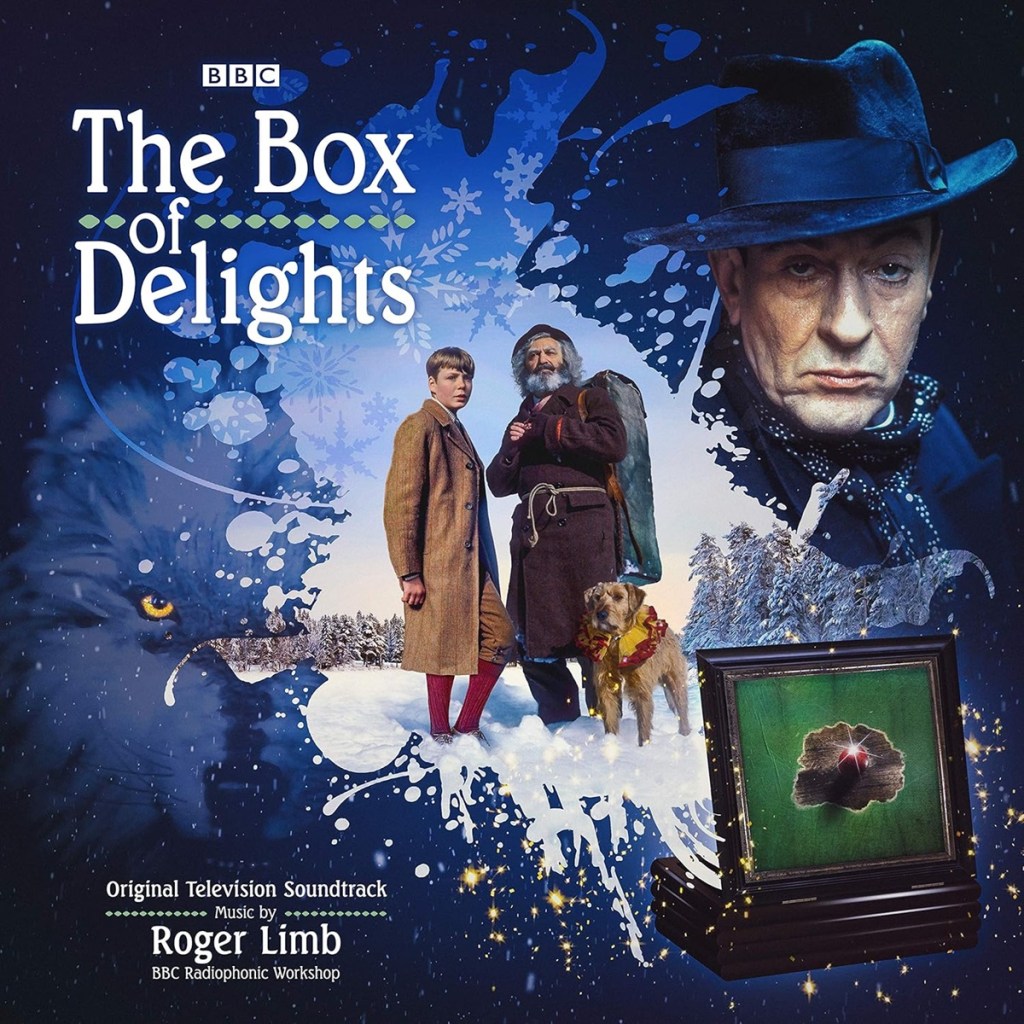
As much as the BBC’s 1984 adaptation of The Box Of Delights may have come to be regarded as something of a minor television classic, there was always one conspicuous absentee amongst the assorted associated tie-in releases; the soundtrack, which had played such an important part in establishing and enhancing the roundly celebrated atmosphere of the serial but which the BBC’s various commercial arms evidently considered as disposable and forgettable as the music from One By One. Even the theme single – as I had ventured on at considerable length in the corresponding entry in Top Of The Box – simply took the original Radiophonically-untroubled extract from the Pro Arte Orchestra’s 1966 reading of The Carol Symphony and presented in its raw Roger Limb-unenhanced form. Silva Screen finally gave the full collection of musical cues, expertly restored as ever by Mark Ayres, a proper release in 2018, with a more sympathetically mastered and unedited version of the original 1966 recording as a bonus track. This appreciation of their efforts couched in my own extensive personal history of trying and failing to find any semblance of a proper release for the music from The Box Of Delights and the deft analogue technological feats involved in attempting to extract it from an off-air video recording, and how I fell in love with Christmas Music From Guildford Cathedral in the process, was possibly deliberately written with at least a partial intention to annoy the sort of individual who is more interested in announcing to the world that they consider The Box Of Delights ‘a classic’ than they are in anything to do with the making of the serial or even in some cases the serial itself, but evidently the season of goodwill worked its magic on me too as you would not really know this from the finished feature and it certainly proved popular enough to have presumably not alienated anyone. There was plenty more of that to come, though. You can find the original version of You Shall Have It Under Your Hand Today – named after a line of dialogue from Abner Brown’s mysterious fortune-telling ‘Waterfall Boy’ – here, and a completely new and significantly expanded version with much more on the background to The Box Of Delights, Victor Hely-Hutchinson and The Pro Arte Orchestra in Keep Left, Swipe Right here.
Looks Unfamiliar: Stephen O’Brien – The Meaning Of Christmas Is No Boris Gardiner

As Stephen had just published a highly recommended book entitled 80s Christmas UK Singles – a wry yet factually fascinating look at every certifiably festive single released in the UK between 1980 and 1989 from Band Aid II and Shakin’ Stevens to Frank Sidebottom and Dizzi Heights, and still available from the Amazon Kindle Store incidentally; in fact there’s a review from me on there too – it was pretty much a foregone conclusion that we would record a special edition of Looks Unfamiliar looking at some of the more offbeat yuletide obscurities from the book, not least as it provided us with an opportunity to expound on shared bewilderments which we had held pretty much since the records were originally released and indeed to revisit some suitably bizarre associated anecdotes from our schooldays. No, I don’t still have the ‘Erinsborough High’ jumper but I genuinely wish that I did. This was recorded in my front room and as Stephen had arrived early for a long overdue catchup, we also recorded a commentary on the 9th October 1986 edition of Top Of The Pops that was being repeated on BBC Four that evening – which we had probably even discussed back when it was originally broadcast – and which I put out as a secret ‘extra’ that you can still find hidden away somewhere if you look around for it. It’s definitely worth doing so, not least for the debate about the frequency of deployment of Howard Jones’ mime bloke ‘Jed’. Incidentally, if you disagree with my insistence that Keeping The Dream Alive by Freiheit is not a Christmas single, then you can rest assured that Grace Dent is very vociferously on your side. You can find the full show here and the chat about Old Fashioned Christmas by Anne Charleston and Ian Smith in a collection of Looks Unfamiliar highlights here.
Looks Unfamiliar: Garreth Hirons – I Don’t Want To Get All Sepia Tinted Here

On 22nd December 2018, to celebrate finishing work for the festive season, I went out to a gig with one Garreth Hirons. I can’t remember quite how and why but the conversation quickly drifted on to The Ghosts Of Oxford Street, a bizarre fantasy chronicle slash documentary about the London that the history books don’t show you written and presented by Malcolm McLaren with music from Happy Mondays, Tom Jones, Sinead O’Connor, The Pogues And Kirsty McColl and The Rebel MC, and assorted historical antagonists played by Nick Cotton off EastEnders, which Channel 4 had broadcast on Christmas Day in 1991 – as was their stubbornly festively contrary wont in those days – and which we had both eagerly watched due in no small part to the enormous pre-broadcast hype and the host’s own splendid minor hit single Magic’s Back. We both realised instantly that this was ideal for Looks Unfamiliar, especially considering the volume of cultural ephemera bound in with our recollections of watching it, and that was how I found myself recording a chat in Garreth’s kitchen very early the next morning – having been bid a ‘boss Christmas’ by a Mod on my way there – and having the finished show edited and ready to roll by that afternoon, although I ultimately decided to release it on 25th December to bring it a little closer to the original broadcast date. It may not quite constitute a Christmas Miracle, but it is also true to say that as much as some good ideas might well require meticulous planning and constant revision, others just come to you like a casually proffered box of Celebrations and essentially more or less write – or indeed record – themselves. You can find the full show here and an extract in a collection of Looks Unfamiliar highlights here.
Can’t Help Thinking About Christmas
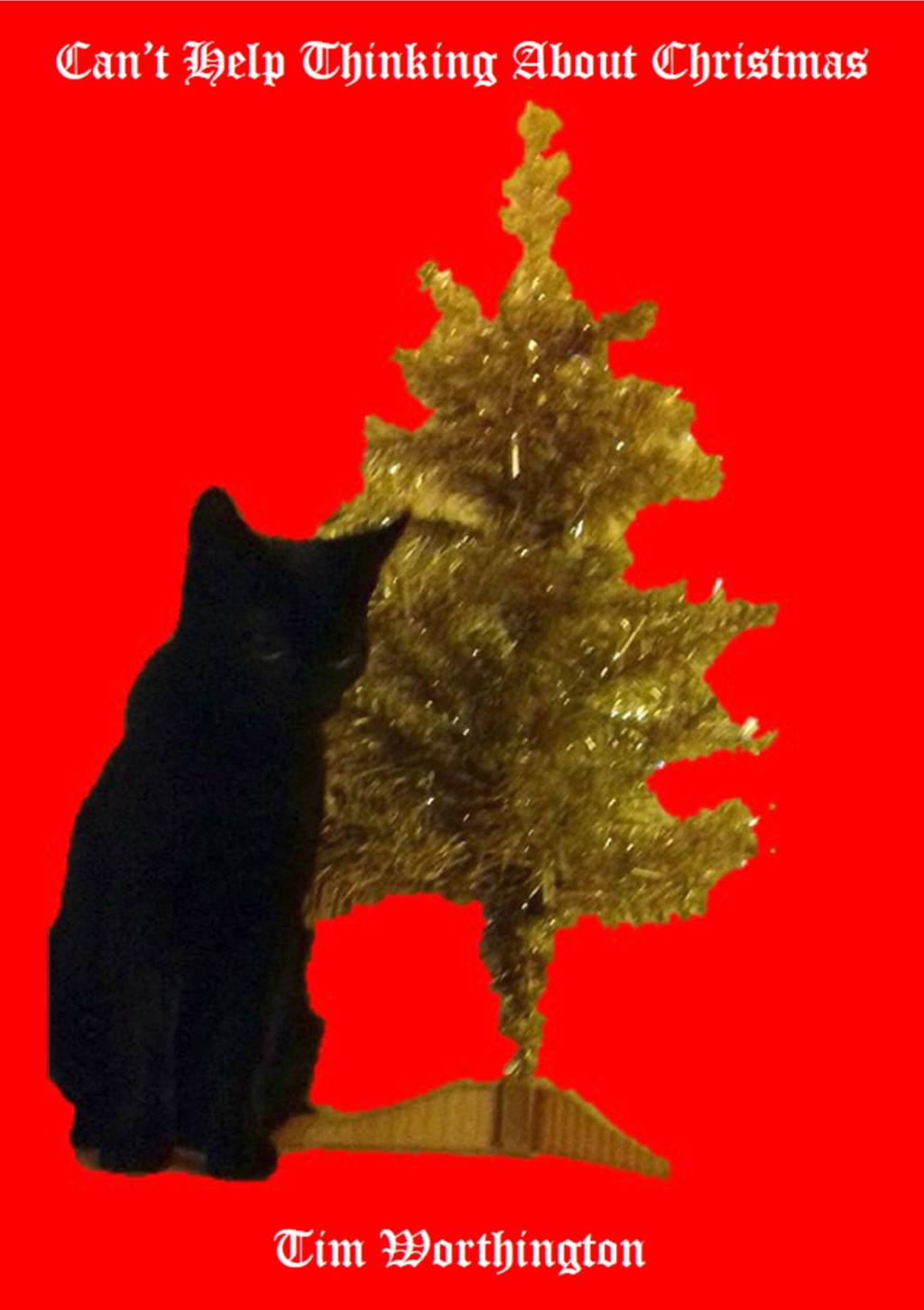
If you have found yourself sufficiently imbued with good cheer to consider yourself in need of a suitably festive read including tons of tinsel-trimmed features and an otherwise unavailable look at the Rising Damp Christmas Special, then you can find all of that and more in Can’t Help Thinking About Christmas, available in paperback here or from the Kindle Store here.
Mystery Link! If you want to just go straight to a surprise page completely unrelated to any of the above, click here.
© Tim Worthington.
Please don’t copy this only with more italics and exclamation marks.
 Tim Worthington