
From the moment those bus stop posters with a mysterious ‘no ghosts’ logo and the legend ‘COMING TO SAVE THE WORLD… soon’ started appearing across the UK in the autumn of 1984, it was clear that Ghostbusters was poised to become a very big deal indeed; and if it wasn’t, then Columbia Pictures were going to make sure it became one whether you liked it or not. There was one huge glaring problem with this prospective strategy, though – rather than having been carefully constructed with a Lucasfilm level of awareness of the commercial possibilities of a small army of loveable and not-so-loveable characters and a corresponding artillery of varyingly aspirational vehicles and tech, Ghostbusters was essentially just a quirky New York comedy that had somehow attained ideas a little above its fire station and a Christmas list-straddling range of toys and indeed fridge magnets did not really become a reality until Ray, Egon, Peter and Winston and indeed ‘Slimer’ were reconfigured into cartoon representations later in the decade.
If you still wanted to relive those calling-Walter-Peck-‘Wally-Wick’ thrills over an imminent Christmas when even the home video rental release was still a good twelve months away, however, then all was not necessarily lost. There was the hit theme single with its video full of hilarious cameos by celebrities where you had no idea who any of them were, and the accompanying soundtrack album with contributions from such hip and happening names as Air Supply and The BusBoys. There was the tie-in novel by one Larry Milne, which inevitably mysteriously ‘disappeared’ as soon as your parents got wind of how sweary it was. Most excitingly immersively of all, there was the official Ghostbusters computer game from Activision, available for the Commodore 64 and the ZX Spectrum at a notably higher price tag than usual, presumably as an unavoidable consequence of ‘licensing’. By all accounts the Commodore 64 version was more or less tolerable – although admittedly C64 owners were in the habit of claiming that a sliver of Wispa wrapper trapped between the keys was a graphically dazzlingly superior technological revolution – but if you were stuck with the Spectrum as your only option for busting ghosts, then after a considerably lengthier loading time and correspondingly conspicuously more of those loading bars that both looked and sounded like a wasp guzzling mescaline, you got a whistly synthesised voice barbling “GOWAFT-BUFTAPH, HW-A-HA-HW-HA-HWA”, a flat beeping unskippable approximation of the theme song, and a game that essentially just expected you to sit back as it more or less played itself.
Without the tantalising lure of Fright Feature Peter Venkman and the Highway Haunter, Ghostbusters mania such as it was came and went along with several certain other under-merchandised properties in late 1984 – and there’s much more about all of them here – and given that the subsequent cross-platform crossed-stream course-correction gave us a tepid sequel that has inspired a billion aaaaahhh-tastic thinkpieces attempting to ‘reclaim’ it, an annoying theme song mainly about how brilliant Bobby Brown believes himself to be with infrequent random mentions of ‘proton packs’ and a cameo from an abhorrent stain on humanity and history in the video, and a spurious ‘fandom’ composed primarily of loudmouthed men who greet the most distant suggestion of revivals incorporating anything that could be characterised as ‘woke’ by screeching and sobbing and calling for ‘bans’ in the exact same manner that they appear to believe that the ‘woke lobby’ behave then you might well consider your mileage to very much vary unless you were an avid reader of Blimey! It’s Slimer! or a transfer-conscious title contenders Liverpool manager Graeme Souness. There was a time, however, when that Ghostbusters game was pretty much as far as any ambitions to expand the franchise went, and even in those dim and distant clunky 48k upgrade Kempston compatibility-fixated days it was far from alone. There were games based on all manner of television shows from Blockbusters, which essentially allowed you to play Blockbusters in the comfort of your own home, to Benny Hill’s Madcap Chase, which essentially allowed you to steal underwear from the residents of ‘Hill Street’ whilst being pursued by a homicidal washerwoman from the comfort of your own home. There were tie-ins for newly released movies all the way from Platoon, which pretty much the entirety of the target audience would not have been able or allowed to see (and which you can hear much more about here, incidentally), to Give My Regards To Broad Street, in which you controlled Paul McCartney as he waits in underground stations to see whether the next train has a session musician on it. There were even spurious pop star cash-ins, although it was never entirely clear who they were aimed at and why. Wham! The Music Box hid an actually pretty nifty programmable polyphonic on-screen keyboard – with which you could in fact have created your own superior rendition of Ghostbusters – behind cover art of a very small photo of George and Andrew embedded in a retro jukebox, while Frankie Goes To Hollywood got their own deeply abstract and symbolic game in which… well, Garreth Hirons explained how it worked – or at least was supposed to – much better in Looks Unfamiliar. Which you can find in this archive-rifling instalment of Through The Square Window along with further early home computing chat, a couple of attempts at speaking up for admittedly wildly overhyped but unfairly widely disliked movies from the mid-eighties, and a disappearing song by a certain artist we should probably be grateful that the ZX Spectrum never went anywhere near. Come to think of it, they never had any sort of facility for buying someone a coffee on the ZX Spectrum either unless it was hidden in one of those baffling programs called things like ‘Invachips’ where nobody could work out what they were even for, but they do now and if you’re feeling sufficiently motivated to buy me one then you are more than welcome to do so here. Anyway, it sounds like the trees on the hill actually do have something to say…
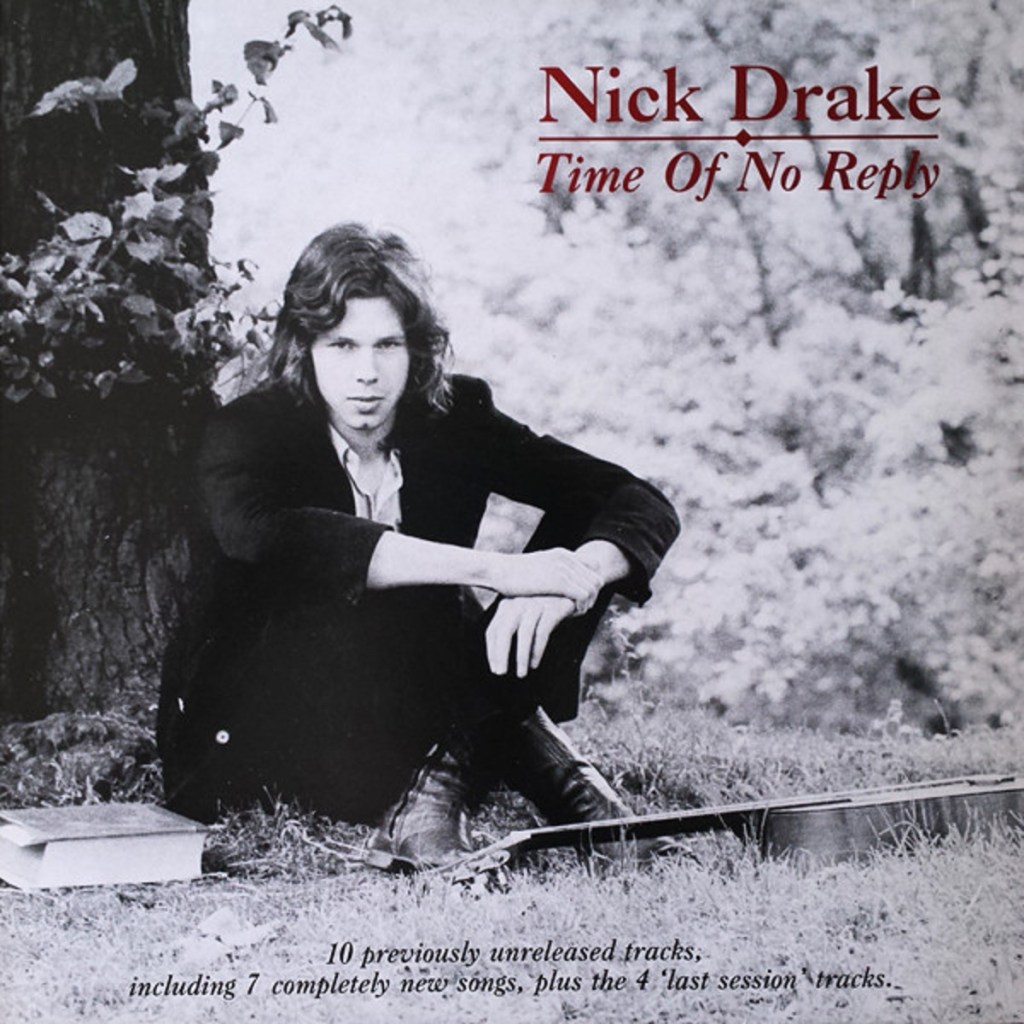
Although there probably hadn’t really been as many music-based features on the still relatively new website as there ought to have been by this point, what is very much noticeable throughout those earlier entries is that they are very firmly rooted in what could not unreasonably be described as a more innocent time and a more innocent way of enjoying music; before live streams of barely distinguishable live sets, before twelve disc box sets made up of progressively less and less interesting demos apparently recorded in the cutlery drawer and before rigidly defined branding attempting to determine what you were and were not ‘supposed’ to enjoy from an artist’s back catalogue, and when you literally had to listen to whatever was available to you and to all intents and purposes make your own mind up about it. Certainly this was very much the case with Nick Drake, and to be honest back then you were lucky to find all of his three albums in most major high street stores, let alone the then lone compilation of rarities and outtakes. This collection included a handful of very different arrangements of songs intended for his debut album Five Leaves Left dating from a time when nobody had really worked out how his music should sound on record, and with only the scantest of details in the sleevenotes and nobody to tell me that I wasn’t allowed to, I found myself becoming very fond of these slight diversions in accepted orchestrated folk-jazz history – until one of them vanished. It would be unreasonable to imply that I even have mixed feelings about the more recent redirection of Nick Drake’s legacy; it represents a rare example of the music and the listeners actually being put first, which frankly I can only applaud, and has also resulted in some well thought out and more importantly listenable releases that exploit neither the artist or his fans, not least the splendid Family Tree in which we get to listen through the door to the home-recorded musical exploits of the entire Drake household. It is almost without precedence in the crowded reissue market in that, frankly, everybody wins, but something about that the intentional removal of that hapless Donovan-esque take on I Was Made To Love Magic from his discography and the widely propagated idea that it doesn’t ‘count’ does still rankle with me. When I had decided that I would be be guest on the twenty fifth Looks Unfamiliar – though more about that in due course – this disappearing track was one of the very first choices that I thought of, and my notes about it inadvertently became so detailed and involved that they effectively just turned in to this feature about the errant studio outtake entirely of their own accord. You can find the original version of All Its Wonder To Know here and an expanded version with plenty of more upbeat observations on the more fascinating corners of Nick Drake’s back catalogue in Keep Left, Swipe Right here.
Looks Unfamiliar: James Gent – A Cross Between The Prisoner And Test Match Special

Quite unexpectedly, this chat with the editor of the media news site We Are Cult developed into something of a very eighties-skewed rumination on once-prominent offshoots of well known properties that have since somehow slipped out of visibility and availability, notably David Bowie’s run of largely ignored mid-eighties movie theme singles, Beeb magazine and the Montreux Special of Monty Python’s Flying Circus, once the episode that the BBC would reach for first whenever a one-off repeat was in the offing but now not even included in the Complete Series box set. Creating a sort of weird inadvertent self-reflexive dimensional loop, we also touched on the likes of Boxpops and The Golden Oldie Picture Show – whilst taking every effort not to mention the latter’s presenter – that mined what were by then already forgotten aspects of popular culture for their content, and now technically represent nostalgia for nostalgia. Perhaps it’s advisable not to ponder too deeply on such matters. You can find the full show here and the chat about When The Wind Blows by David Bowie in a collection of Looks Unfamiliar highlights here.
Looks Unfamiliar: Ros Ballinger – I Can’t Remember If It Was The First Leg Or The Second Leg

Like a few of the earlier Looks Unfamiliar guests Ros has essentially ‘retired’ now but I have to say I really enjoyed her risky and thought-provoking standup and I really enjoyed this chat which remains one of my absolute favourite editions of the show, especially the conversation about Microsoft Explorapedia, which is pretty much the literal – or indeed virtual – textbook representation of an era of home computing which is both still too ‘recent’ for anyone to be properly nostalgic for and honestly so technologically obsolete on every level that it’s likely nobody would feel particularly inclined to feel very much in the way of retrospective affection towards it anyway. It was also especially amusing to revisit the illicit universal thrills of secretly perusing the ‘humour’ titles on your dad’s bookcase, not to mention Ros’ brilliantly pointless plan for smuggling Skittles into school, although the identity of those ice creams with actual real unprocessed fruit pieces in them remains one of the great outstanding Looks Unfamiliar mysteries. You can find the full show here and the chat about Microsoft Explorapedia in a collection of Looks Unfamiliar highlights here.
Looks Unfamiliar: Garreth Hirons – I Backed The Betamax Of Nirvana Spinoffs

Considering that Garreth’s capacity for finding both humour and fascinating detail in half-forgotten popular cultural detritus apparently without even trying was one of the original influences on what became Looks Unfamiliar, perhaps it shouldn’t have been too surprising that he became effectively the first ever returning guest; and before anyone pipes up, the two earlier Ben Baker appearances were actually one long recording where we kept coming up with so many new ideas to talk about that it evolved into two separate shows so there’s nothing for you to think I’ll find there. New Romantic-skewed mystery flavour soft drink Quatro was one of the first Looks Unfamiliar choices that I remember being surprised that nobody had suggested before then – and I still get people asking if it has been covered yet to this day, suggesting that maybe more erstwhile soft drink-quaffers miss its vaguely cyberpunky tang more than Ian Coca and Ian Cola seem to realise – but the less obvious choices were all fantastic too, especially Frankie Goes To Hollywood’s philosophically baffling and extremely difficult computer game, Transformers that didn’t transform Action Masters, and in particular his misplaced and ultimately futile love of Sweet 75, a band formed by the bloke out of Nirvana who wasn’t Kurt Cobain or Dave Grohl, and whose existence I remember being very much aware of without ever hearing a single note by them, with or without accordion. We also tried to make some degree of sense of a recurring obsession of ours – the ‘lost’ Simpsons album The Yellow Album, which mysteriously appeared from nowhere one day very clearly several years after it was recorded and which nobody seems to particularly know nor very much care about; Garreth had recently launched his fantastic podcast Retrospecticus – The Simpsons And Modern History, Together At Last! which regularly delves deep into some of the mysteries surrounding Homer and company’s earlier years and which I would very much recommend to anyone who likes Looks Unfamiliar. Also, as if all of that wasn’t enough, we managed to work in a few more Piers Morgan insults too. You can find the full show here and the chat about Sweet 75 in a collection of Looks Unfamiliar highlights here.
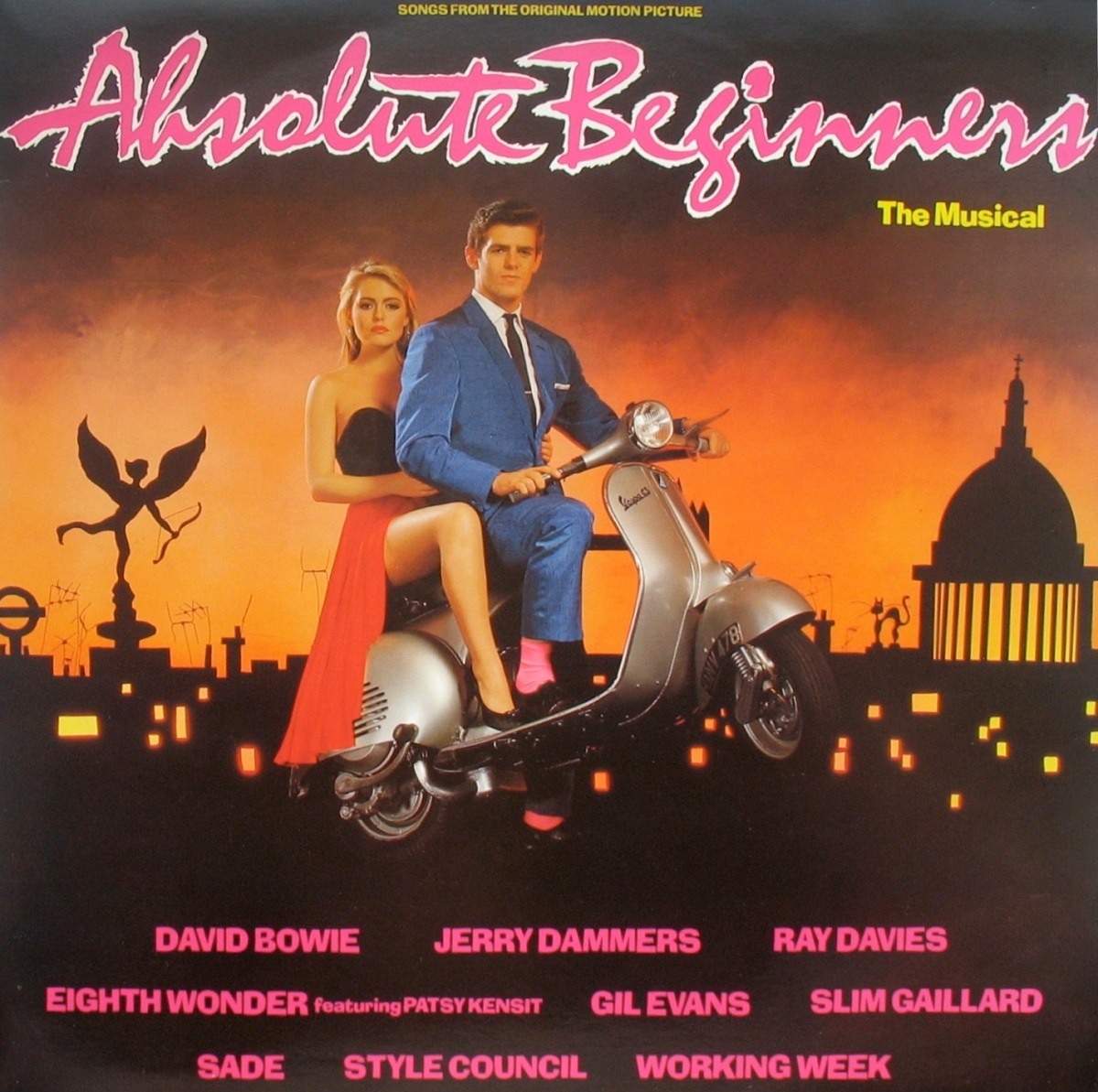
Betamax Double Bill: Morons From Outer Space And Absolute Beginners.
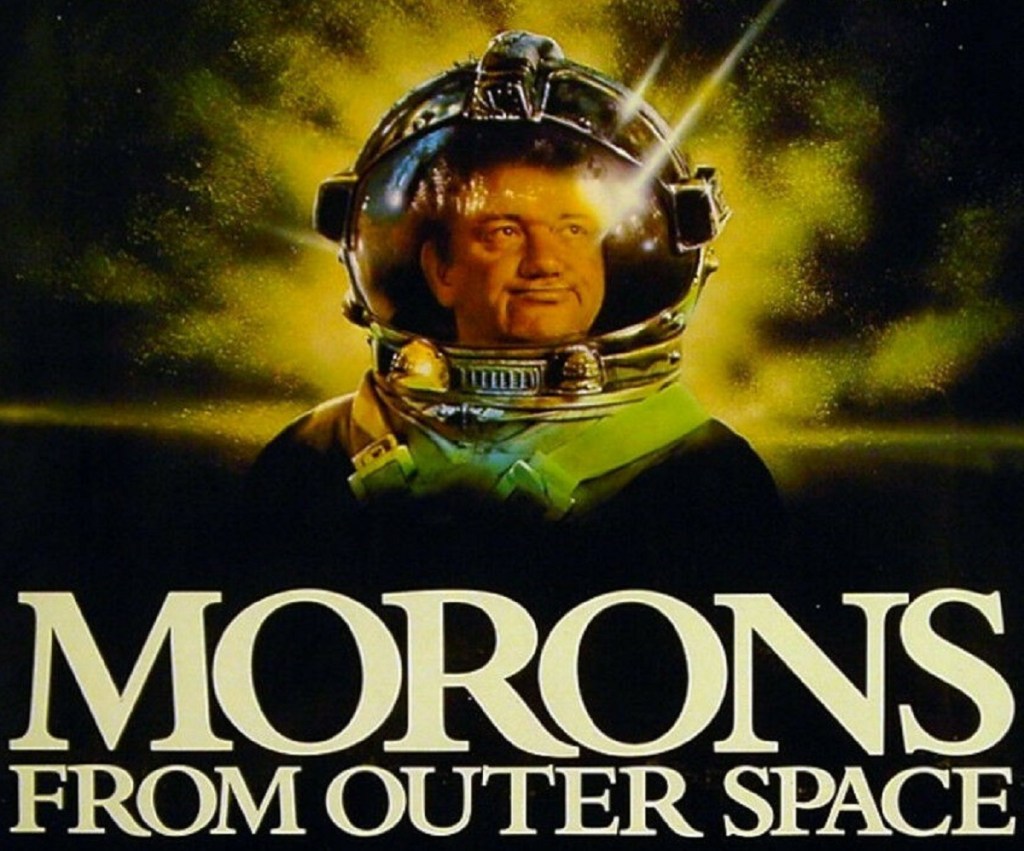
By this point I was keen to actively spread the word about Looks Unfamiliar and to expand the listenership by, well, hopefully getting the sort of individuals who might be interested but otherwise might not have come across it to give it a try, and as nobody ever seemed to invite me on to other podcasts for reasons I am still not entirely sure of, I decided to throw caution to the wind and just ask on social media if anyone who thought I would make a suitable guest for theirs would consider having me on. The only person to reply was one Rich Nelson, who informed me that he was planning a new podcast based around the sort of movies you would normally associate with eighties video rental shops, regardless of their quality, genre or even present day availability, and had a sense that this would be very much aligned to my hobbies and interests. I instantly replied confirming that it indeed was and that there were in fact two movies that I would be absolutely thrilled to have an opportunity to speak up for – Mel Smith and Griff Rhys Jones’ tepidly received bid for big-screen stardom Morons From Outer Space and Julien Temple’s widely shunned all-star adaptation of Absolute Beginners. Despite being a fan of both Alas Smith And Jones and David Bowie I didn’t get to see either at the cinema at the time and only caught up with them later via television showings and the video shop, although in both cases I had owned the accompanying soundtrack releases before I even saw them; the sublime collection of little-heard wonders from David Bowie, The Style Council, Ray Davies and others that underscored Absolute Beginners and the theme single collectively credited to ‘The Morons’ but very audibly sung by Mel Smith and Jimmy Nail with absolutely no further involvement from anyone else whatsoever. I had quite enjoyed both thrillingly over-budgeted box office disasters and found their flaws with flashes of genius far more exciting than other contemporaneous efforts that apparently everyone liked no arguments, and was frankly quite astonished to later discover that I wasn’t ‘allowed’ to think either were any good at all. I really enjoyed these chats, especially as Rich continually pressed me on my reasons for liking both movies and would not just take my protestations on face value, and I would like to think I argued the case for both well, although I would admittedly be surprised if I actually convinced anyone else to give Morons From Outer Space another try. Betamax Video Club, as the podcast would eventually be called, went on to go from late fee-dodging strength to strength before Rich and Catrin Lowe repositioned it as the even more popular Don’t You Want Me?, and in retrospect I am very pleased to have been in on the ground floor and indeed to have doubtless annoyed lots of people with my insistence that Bowie pretending to be a clock and the technology-misunderstanding exploits of the crew of Space Podule Exxon Mark IV are actually good and not bad like you thought. You can find both editions of Betamax Video Club here.
If you’re in the mood for more tales of determinedly attempting to play utterly unplayable ZX Spectrum games and somehow never quite seeing the movies I actually wanted to see at the cinema in amongst dozens upon dozens that I didn’t – frequently both at the same time, and usually whilst enjoying a can of Quatro too – then you will probably like Keep Left, Swipe Right, which is available in paperback here or from the Kindle Store here.
Mystery Link! If you want to just go straight to a surprise page completely unrelated to any of the above, click here.
© Tim Worthington.
Please don’t copy this only with more italics and exclamation marks.
 Tim Worthington