So where were we again? That’s right, Monday 7th September 1987. As well as Monday 14th September 1987, Monday 21st September 1987, and in fact every Monday up to and including 28th September. Which, in fact, is all of the Mondays that have literally just been catalogued there. Well, you cannot really deny that a flair for cumbersome over-exposition is not entirely inappropriate here.
As the nation’s schoolchildren trudged wearily back for another term, staring exasperatedly at their school calendars and willing the interminable gap between then and the seemingly impossibly distant Christmas holidays to somehow contract before their eyes, the sound of Rick Astley’s Stock Aitken Waterman-assisted month-straddling chart-topper Never Gonna Give You Up was pretty much inescapable, with that opening synth drum rattle and disco-tinged orchestral sweep issuing from more or less any speaker of any description that was pointed vaguely towards you. Once again, a soundtrack consisting of something that was massively popular and entirely acceptable by the standards of and to the audience of the time but would subsequently find itself denounced with alarming round the clock vitriol by the sort of individuals who live in perpetual fear that someone somewhere might mistakenly assume that they had no particular opinion either way on a ‘pop’ record feels ever so slightly appropriate here. Occupying the corresponding pole position in the album charts, the Curiosity Killed The Cat and Living In A Box-heavy roundup of recent CBS/WEA-bankrolled chart-botherers Hits 6 – the follow-up, of course, to the quietly culturally epochal Hits 5, but more about that and its inconvenient level of 1986-adjacency here – almost immediately gave way to the platinum-selling tune-averse veneration of Speed Demons, Liberian Girls and Men In The Mirror that constituted Michael Jackson’s Bad, which feels thoroughly inappropriate here for entirely different reasons.
As a divisive attempt at repositioning a struggling but enduring much-loved franchise rapidly closing in on its twenty-fifth anniversary, The Living Daylights would have proved considerably more appropriate as the accompanying cinema-trouncer if it wasn’t for the fact that it had just been deposed at the box office by Lethal Weapon, which itself was unseated in rapid succession by Full Metal Jacket and The Untouchables. A full month of Odeon-dominance by films that nobody under the age of eighteen was permitted to see – even if you could entirely legitimately play the ZX Spectrum game of The Untouchables, as memorably recounted here – and if you or your cinemagoing compatriots were indeed under the age of eighteen then your newly-released alternative options included such family-friendly fare as Hellraiser, Aria, Amazon Women On The Moon and Fatal Attraction. The rise of the video rental market really did have a lot to answer for. In fairness, you could also have gone to see another attempt at propping up a dwindling property in the form of Jane And The Lost City – a revival of the wartime comic strip clothes-shedding heroine who herself had only recently been subjected to what can only be described as a tepidly received CSO-festooned BBC adaptation starring Glynis Barber and some cardboard, played here by Kirsten Hughes with the unlikely supporting pairing of Sam J. Jones and Jasper Carrott – but frankly nobody needed to put themselves through that. Staying at home for an evening in front of the television might well have been your most advisable option all round.
Sidestepping the BBC’s bizarre fixation with starting the day with a pre-Breakfast Time outing for repackaged shorts starring ‘rubber-legged’ vaudeville star Leon Errol, scattered around the television listings you could find such comedy highlights as Blackadder The Third and The New Statesman alongside such comedy lowlights as You Must Be The Husband – a Tim Brooke-Taylor vehicle that lured in many an erstwhile Goodies fan in under long face-engendering false pretences, as wearily recounted here – while over on Children’s ITV and Children’s BBC, hints of the future were very much in varying degrees of evidence with the arrival of Going Live!, Chucklevision, BAD Boyes and the very first urgently issued warning to the teams that there were goblins on this level in Knightmare, the clunkily helmeted ignored shouted instruction-occasioned CGI-stumbling impact of which was given its due credit here. Other new names and faces on television – thankfully none of them taking the form of a sort of melting Commodore Amiga cadaverous Norse knight timer thingymajig – included Victorian Kitchen Garden, The Time The Place, The Dame Edna Experience and Chain Letters, while over on the radio, Stephen Fry’s intrepid investigative reporter David Lander got too close to getting too close to events for the last time as he poked around in the private affairs of St. Jerome’s controversial premier Felipe Delnazo in the fourth and final series of Delve Special. He was back on Channel 4 the following year, though. In the meantime, there was also a certain journey to an altogether more far flung shore as Sylvester McCoy starred as… DOCtor Who!
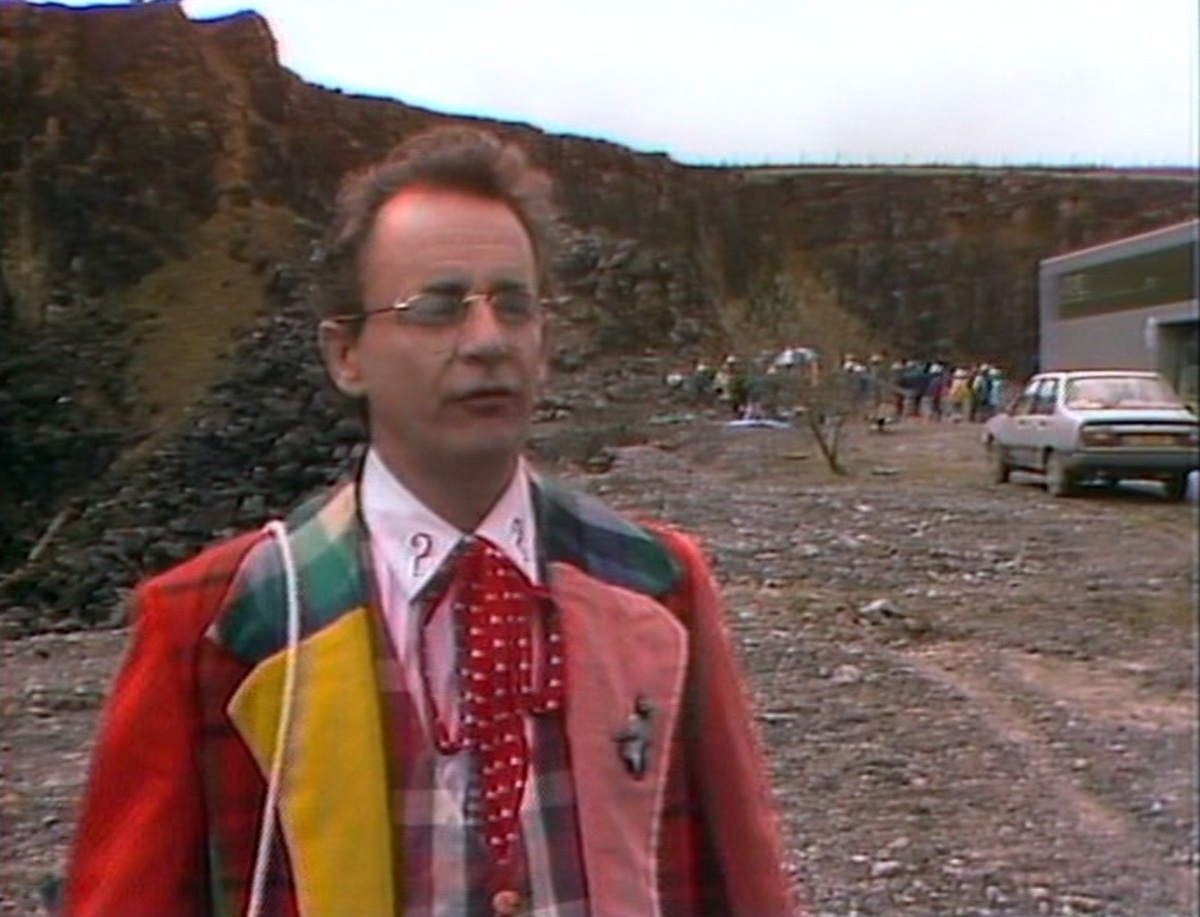
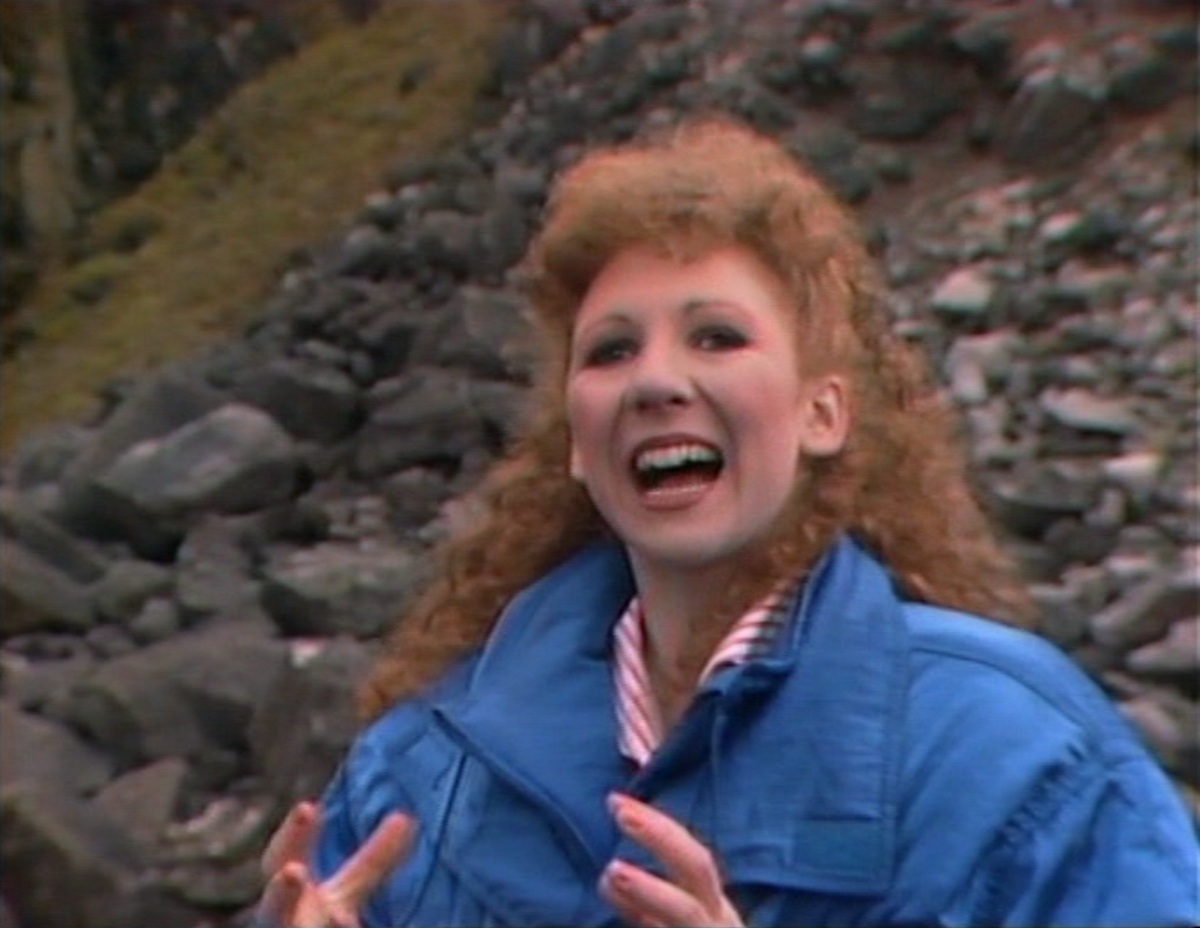

If, even despite the fact that certain individuals not a million miles from here may have quietly and subtly litigated in its favour in a handful of sentences once or twice, you were not particularly interested in seeing what the newly regenerated seventh on-screen incarnation of everyone’s favourite Time Lord was up to during the four instalments of Time And The Rani, then your alternative home entertainment options were not exactly a thriving hotbed of difficult decision. ITV, as many a Doctor Who viewer prevailed upon to watch on the black and white portable can wearily attest, adhered resolutely to the unshiftably scheduled Coronation Street, then in the ratings-dominating thick of the comprehensively Doctor-seeing off build-up to Bet Lynch’s impending wedding to Alec Gilroy. BBC2 variously proffered the somewhat more sedate and cerebral thrills of Live From The Proms, Championship Darts and Wildlife On Two, the latter of which apparently provided Attenborough-narrated evidence that perpetual comic strip antagonists ‘soldier ants’ really did exist after all, and perhaps the ultimate BBC2 programme in the form of an edition of Open Road billed by Radio Times as: “Far from the Madding Crowd with John Lenahan: Deep in Thomas Hardy’s Dorset a tiny hamlet celebrates a new lease of life with a Harvest supper. Gladys the bulldog tucks into the kebabs, while John Lenahan finds out why it was so important to save this particular little farming community from the yuppies, and brings a little of his own special magic to the occasion”. Channel 4 could characteristically only offer the more sobering double-hander of Channel 4 News and that notorious laugh-a-minute gag riot Comment, with similarly worthy fare to be found over on Radio 4 in the form of Science Now, while Radio 2 dished out the decidedly non-Keff McCulloch-like sounds of Dance Band Days with Alan Dell. There was always the actually quite tempting option of Janice Long cueing up the latest non-hit waxings from Age Of Chance and Crazyhead on Radio 1, which in an extremely roundabout manner provides as good an opportunity as any to mention the one programme more inextricably linked with Sylvester McCoy’s stint as The Doctor than any other. Well apart from Corners.
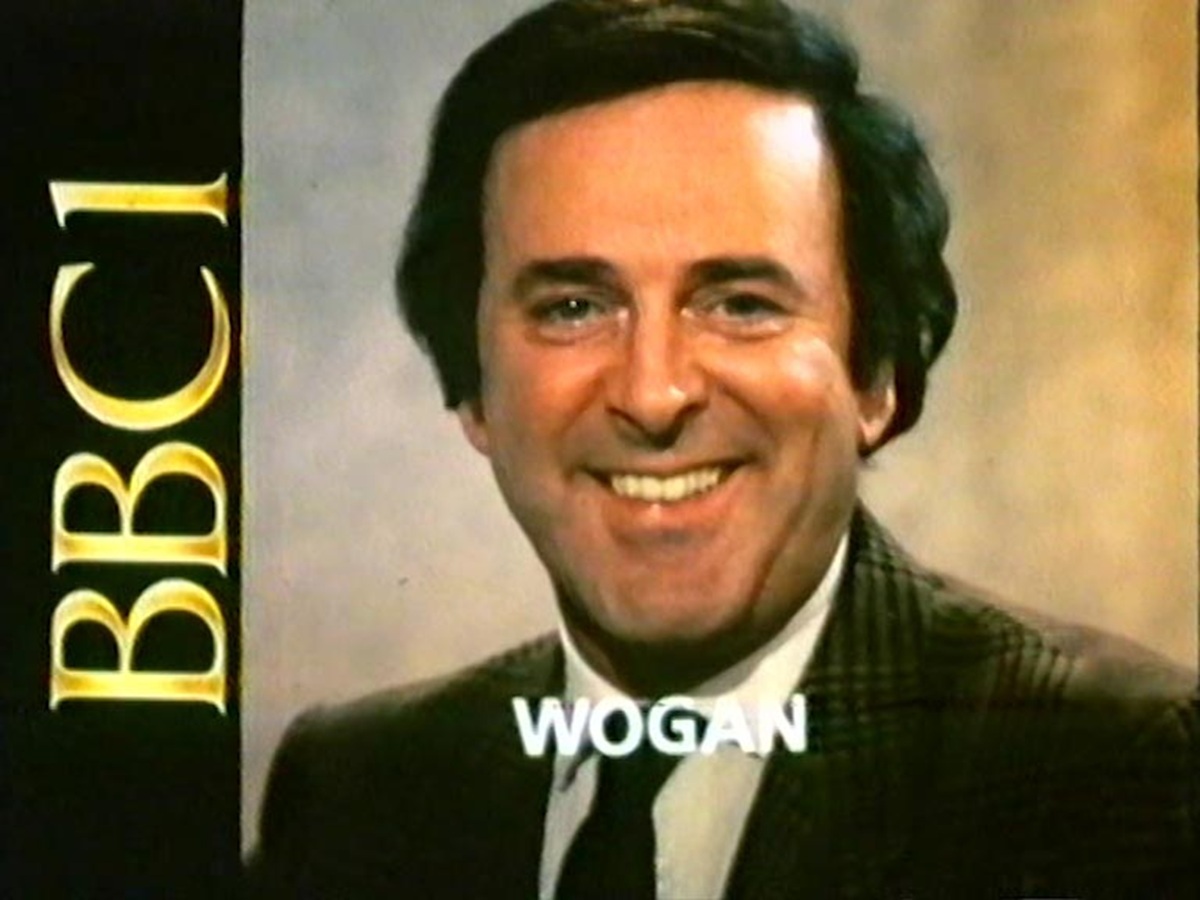
Wogan, Old Tel’s thrice-weekly showbiz showdown in Shepherd’s Bush, routinely drew the big names to the big sofa and the weeks of 7th to 28th September 1987 were no exception. Joining Terry for a dash of jovial yet somehow also wearily cynical chat were Peter Ustinov, Spike Milligan, Bette Davis, Maeve Binchy and Barry McGuigan, with a special edition on 28th September to mark twenty years of Wogan’s Long John Baldry-back-announcing alma mater Radio 1, featuring a roster of variously discredited fellow disc jockeys and a live performance of Flowers In The Rain – the first record ever played on the station – by Carl Wayne, with The Carl Wayne Band standing in for the by then more or less unreunitable other members of The Move. To loyal adherents of Doctor Who determined to stand by it through adverse and challenging times, however, Wogan was nothing more the programme that dragged frustratingly on and on as they hopped agitatedly from front room to front room, angling to start the family video recorder recording at the optimal moment to ensure that they actually got to see it in colour or indeed in some cases at all, with fragmentary remnants of the whimsical outro and closing credits embedded indelibly and space-wastingly on those precariously fashioned off-air recordings. This was of course a familiar routine and indeed a familiar routine, and one that introduced the very first instalment of this epic-length look back at Time And The Rani way back when – which you can find here, incidentally, although that probably would imply that you have started with this instalment which frankly is a move that even Ikona would consider foolhardy and illogical – and its reappearance here is not actually intended to further agitate those who previously barked “YES I THINK THAT IS ENOUGH NOW I THINK WE HAVE ALL GOT THE POINT IT IS TIME TO STOP NOW I THINK YOU WILL FIND” any time I got three and a half words into a sentence that hadn’t even mentioned Time And The Rani yet, nor indeed those who fumed when I republished the original Time And Tide Melts The Snowman in an updated form on here and complained that they had been forced to sell their utility room and join the cast of Memphis Belle or something, but you have to admit that at as inadvertent consequences go that is something of an appealing one. Instead, it is recounted for the doubtlessly Wogan-exasperating umpteenth time in an attempt to recapture at least some semblance of a sense of how everyone enjoyed and appreciated – or didn’t – Time And The Rani at the time and in its original context, and why it is important not to lose sight of this even amongst an impenetrably dense nine-part feature that somehow also found room to mention Me 1 Vs. Me 2 Snooker With Richard Herring, the Sun-Pat ‘Peanutritious’ advert and when they did The Tears Of A Clown on What’s That Noise?. As well as to wind up all of you lot. Obviously.
For what from this perspective was a relatively brief interlude but one that at the time showed little to no opportunity for or even reason to change, those who were fortunate enough to actually have off-air recordings of Time And The Rani, ghostly phased-in subliminal traces of the neon Wogan logo and Jon Plowman’s producer credit and all, will have simply assumed that it was all that they would ever own of it. The idea that their carefully preserved TDK E180 and accompanying concern about the tape ‘wearing out’ could ever be replaced by a properly mastered BBC Video sell-through release at an affordable price was so remote and outlandish as to never even really cross anyone’s mind, yet that’s exactly what happened – surprisingly early on when viewed in relative terms – in 1995. Even then, or at least once home entertainment had marched on digitally, the idea that one of the most openly and vigorously mocked and lambasted Doctor Who stories of the lot and that’s even including The Armageddon Factor, Rings Of Akhaten and that one in that annual where Adric invented salt or whatever it was could have been released on DVD – and not even as part of a loss-leading ‘Rani Tales’ box set bundled with The Mark Of The Rani, Dimensions In Time and some fan-made sketch about Urak not being allowed to buy Persil or something; entirely on its own and indeed on its own merit – seemed equally unlikely, and yet there it was in 2010. What was more, it came accompanied by all manner of special features adjacent to the story’s production and original broadcast, which may not have included The Fizzbombs in session or David Attenborough commentating on ant activity across the Panamanian rainforest floor, but did include a Breakfast Time report on location filming for the story, that legendary Blue Peter casting announcement with a semi-in costume Sylvester McCoy who was evidently beginning to wonder if he had bitten off more than he could chew – ironically whilst making a face to the camera that called to mind someone who had literally bitten off more than they could chew – and the fantastic documentary The Last Chance Saloon, capturing a vivid impression of a cast and crew who knew that they had been recommissioned by the slimmest of margins and against all budgetary and bureaucratic odds were determined to effect a new start complete with the most up to the minute music, effects and computer generated title graphics cash-strapped technology could buy. Whether it suits your well-rehearsed lines you stole from someone else to begin with about ‘pantomime embarrassment’ or not, some viewers back in 1987 were very much on board with that. Some of them were even prepared to miss Dance Band Days for it.


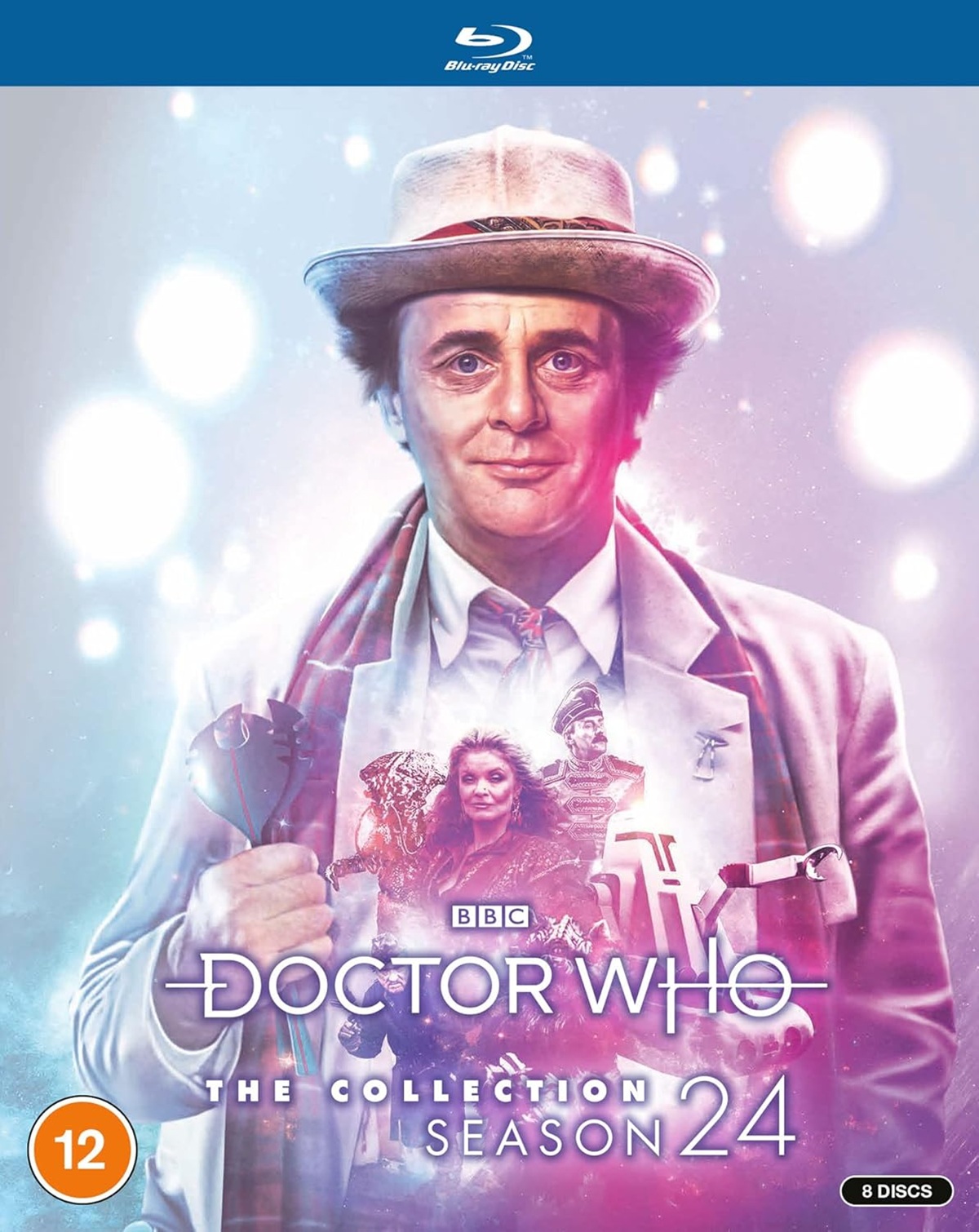
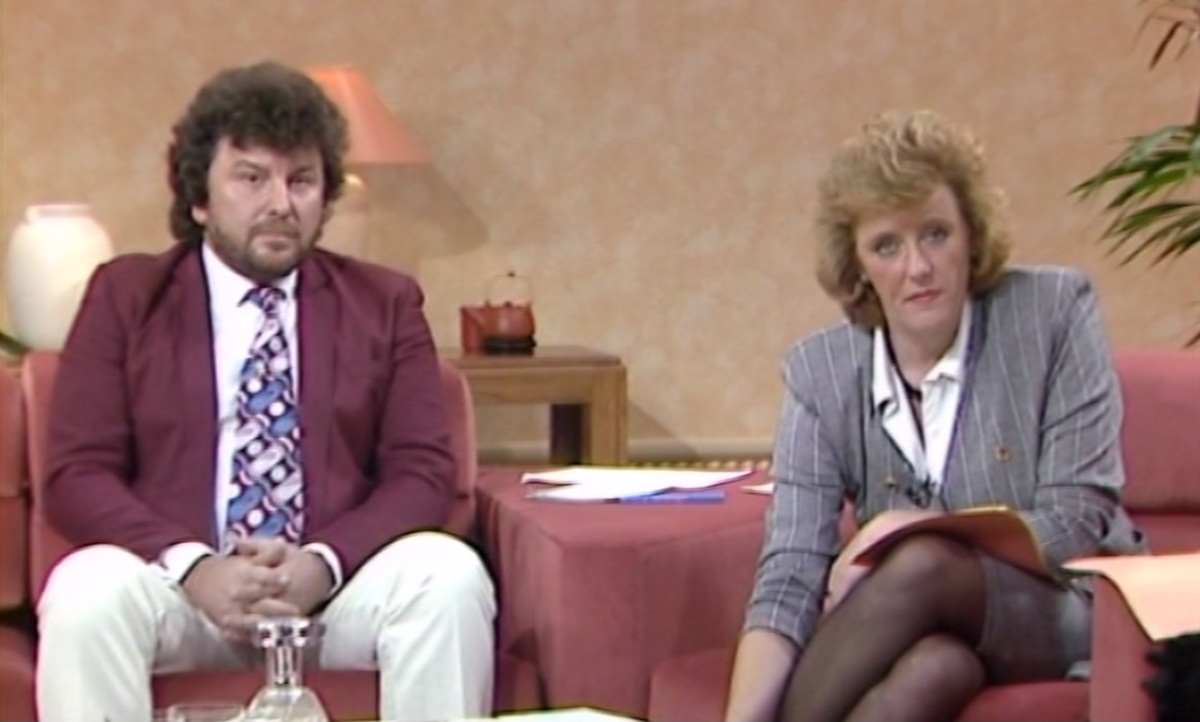
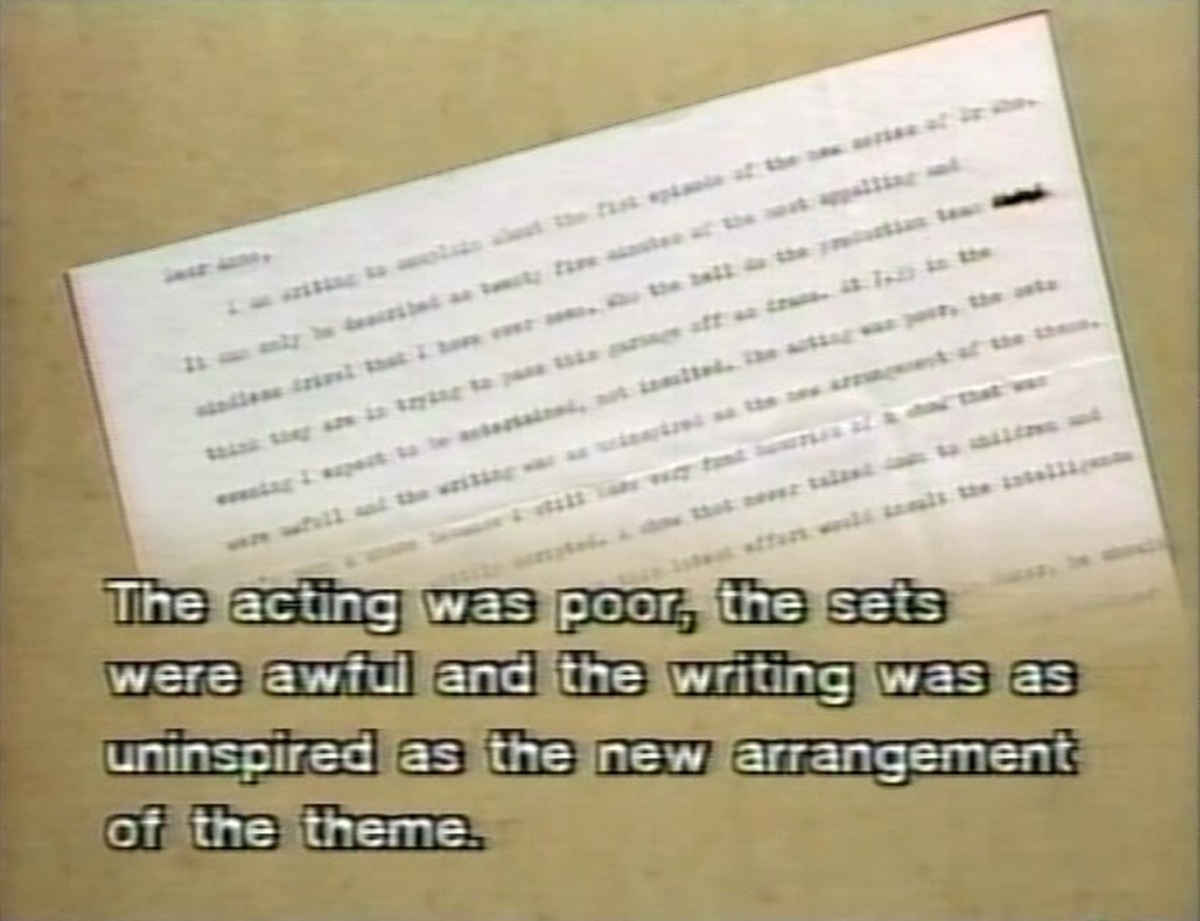
You may well be ahead of events here but back when that DVD became an unexpected Region 2 reality, there seemed not just little chance of but little point in upscaling Time And The Rani for the brand spanking new Bluray format. Surely, given how many minor miracles upon minor miracles had already occurred in terms of availability, there was no capacity for it to look better nor scope for embellishing it with further illuminating offcuts from the archives, and therefore no requirement or even purpose for a high definition re-release whatsoever. After all, there is apparently none so deaf as those who clutch at straws. Yet in 2021, right at the height of lockdown and just when those who had never lost their faith in the incessantly-maligned antics of Faroon and company would have appreciated it most, there it was, taking up two whole discs in the Season 24 Bluray box set – and what was more, it came accompanied not just by extended edits of all four episodes and a whopping seven hours of unedited studio and location footage, but by even more transmission-surrounding ephemera that afforded even more of a sense of what it had felt like to remain loyal to an unloved and ignored – and indeed as Paul Cornell astutely put it ‘bullied’ – programme that was headed for cancellation but was not going to go without making a bit of orchestra hit-bolstered noise first. The Six O’Clock News reporting on Sylvester McCoy’s casting at the same press call memorably captured in the defiantly confident cover of Issue 124 of Doctor Who Magazine, accompanied by a rundown of previous Doctors that perhaps tellingly omitted Peter Davison and Colin Baker. Bonnie Langford enduring an excruciating interview on Saturday Superstore which emboldens Mike Read to posit himself as the next Doctor as ‘everyone’ tells him he should be without any apparent suggestion that he was joking, followed by co-hosts Keith Chegwin and Vicky Licorish having a mild scarf-tangled difference of opinion over whether a woman should ever assume the role. John Nathan Turner on Pamela Armstrong sporting shoes of such livid blueness that he was probably arrested on his way out of Television Centre, proving that however eccentric his approach may generally have been he really did believe in the programme and its viewers, before being joined by an evidently incredibly nervous Sylvester McCoy who barely stops talking and does the ‘right, I’m off’ joke about forty eight times before doing some ‘Doctorish’ business in the studio kitchen as the credits roll; JNT adopts the somewhat more sensible option of just making straight for the pancakes. An odd appearance on Saturday morning non-starter It’s Wicked! in which Sylvester arrives in Glasgow for a chat with Jake Abraham and Carolyn Marshall via an interminable sequence of videotaped aerial footage accompanied by him conducting an out of vision conversation with what we are presumably intended to assume is ‘The TARDIS’; given that this was a good four months before his debut in Doctor Who, and that the other guest was Clare Grogan at something of a career dip with Altered Images disbanded, her debut solo album shelved and her acting having taken her into the realm of dramas that were on way after the Children’s BBC audience’s bedtime, you really do have to wonder how well that week’s edition went down with the assembled juvenile outdoor audience. He does at least get to talk about working at The Roundhouse in the sixties, during which time incidentally he will almost certainly have heard The Beatles’ legendary unreleased electronic art installation track Carnival Of Light, but we are probably best not diverting into yet another longstanding obsession that could easily provoke another eighteen thousand words unprompted. Although we are thankfully spared anyone starting their letter with ‘Urgent Megagalactic Transmission From Galaxy Nine!’ or ‘The Master has regenerated and is calling himself Michael Grade!’, Points Of View is nonetheless delving into a bulging mailbag split roughly between fans who have decided they are some sort of cross between Barry Norman and Paul Mount rolling their eyes at ‘twenty five minutes of the most appalling mindless drivel’ and those complaining about the change of timeslot to weekday evenings despite evidently not having watched between 1981 and 1984, with much of the same showboating self-defeating ‘heavyweight’ criticism dominating similar extracts from Open Air complete with the requisite quota of very intelligent geniuses suggesting that it should be replaced with repeats of ‘classic’ episodes, and which time has revealed to be more or less the antithesis of every single supporting feature included on every home media iteration of Time And The Rani. Caron Keating gets to drive a ‘Dalek Car’ on Blue Peter, despite the fact that someone should have intervened before the entire enterprise had so much as driven a single rivet into a putative chassis. Most excitingly of all, however – and that’s even more exciting than the extra previously unheard bit of Keff McCulloch music accompanying a clip of the spoon-playing scene in the previously unseen press launch trailer – there’s the associated continuity, with glimpses of the ‘Tonight on BBC1!’ computer-animated angle poise lamp, the blue and bronze clock that went with the brand new computer-generated BBC Globe, disinterested plugs for the Doctor Who exhibition at Longleat, and a delightfully random assortment of briefly-visible continuity slides including one that appears to be that very selfsame ant-fixated edition of Wildlife On Two, all of them inadvertently captured in passing like all those stray fragments of Wogan. Plus of course – at last – there’s that bloke enthusing about ‘a journey to an altogether more far-flung shore’. In short, in the absence of access to an actual real-life time machine constructed from a Swatch Tutti Frutti and fuelled by Diet Lilt, this is the closest you are liable to get to experiencing Time And The Rani as everyone else did on its original broadcast. Although not as close as we are right now after this deliberately overextended paragraph to experiencing all of those blowhards shouting “YES THAT WILL DO FOR NOW PLEASE AND THANK YOU” as everyone else did during the original Time And Tide Melts The Snowman. Well, just hold your horses will you? There’s a point to all of this popular cultural rambling and over-indulged contextualisation, and we might just be getting on to that. Nobody’s going to invite you on Comment.


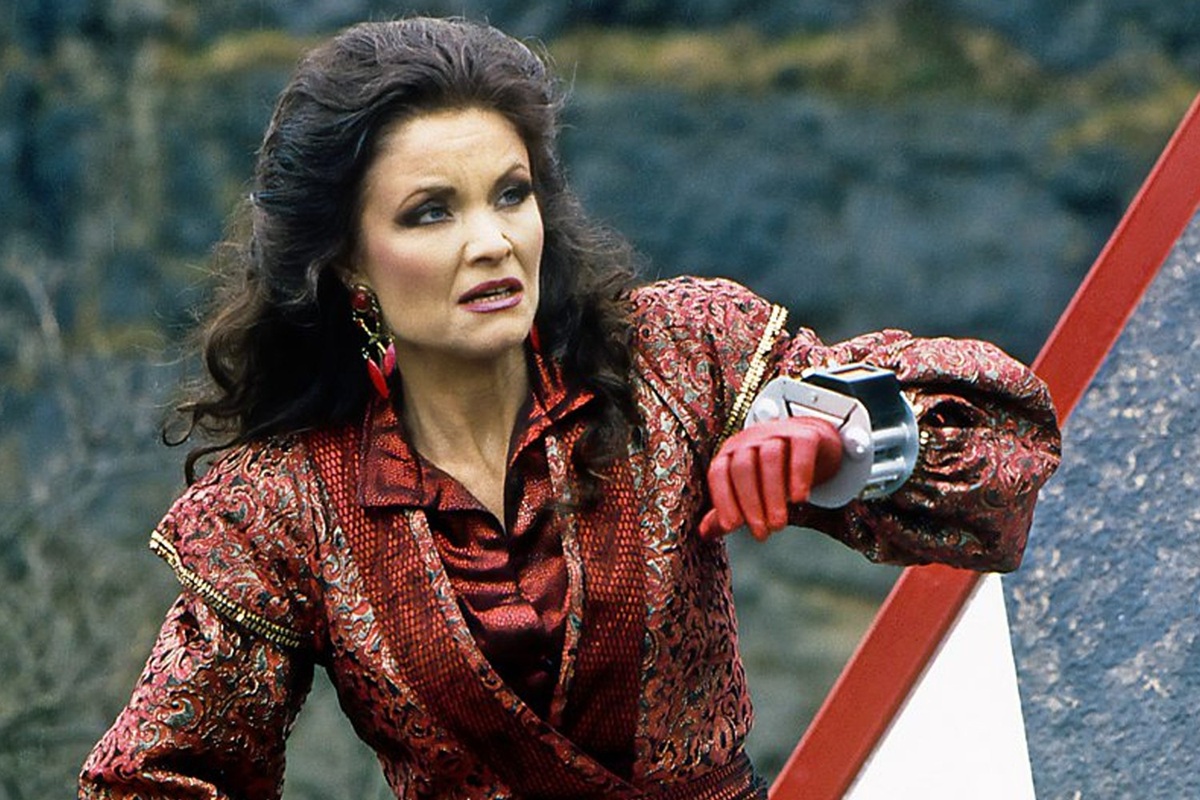
Even as recently as 2022, by which time all of the original series Rani stories had been afforded similarly extensive and immersive Bluray treatment, there still seemed little likelihood that she – or he; you can never be sure in a post-Missy world – would ever show up in the ‘new’ series. Now of course The Rani is back – as played by Archie Panjabi, whom amusingly I am on record as having repeatedly suggested as ideal casting for the first ever female Doctor – and coincidentally at a moment when Doctor Who finds itself in an alarmingly similar predicament to the one that it faced back in September 1987, with viewing figures declining, critics and the wider audience short on enthusiasm and a small but vocal assortment of fans somehow deciding that the best way of ensuring its continued success is to actively campaign for its cancellation. That’s not really what is concerning us here, though. They’ll carry on doing that as long as they have a platform, or even just contrive to convince themselves that they have one, and are not honestly worth affording the attention they are so desperately angling for. In this instance, it is actually an issue with the positive reception to the return of The Rani. With one particular aspect of it, to be precise, and it’s an angle that is not only unnecessary but unfair, insulting and riskily counterproductive.
Obviously we should be thrilled and delighted that so many viewers, casual and obsessive alike, have found themselves thrilled with and delighted by The Rani’s return, which despite pessimistic disgruntling that modern audiences wouldn’t ‘get’ a virtually forgotten character last seen decades ago seems to have attracted more attention than Doctor Who has managed to in a good while. Less thrilling and delightful, however, are the surprisingly large contingent of fans who have decided that this means it is open season on Time And The Rani once more. Now, apparently, The Rani is being done ‘properly’ ‘at last’. We can consign the of their time excesses of the mid to late eighties – doubtless still labelled ‘pantomime embarrassment’ by highly original philosophical commentators – to the Centre Of Indolence of history. We need not concern ourselves with Lakertya, Miasimia Goria or doubtless even whatever may or may not theoretically have happened in Yellow Fever And How To Cure It any further. The Rani has been ‘fixed’ and all is right and proper.
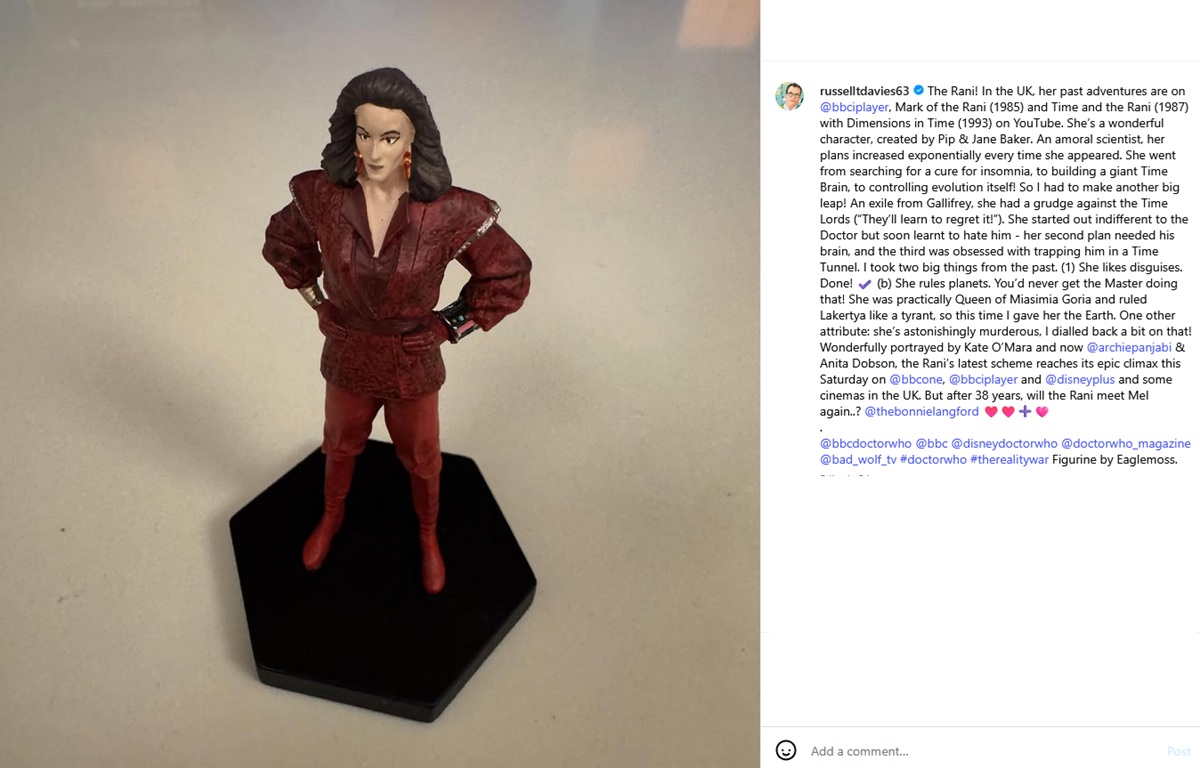
Discreetly sidestepping the conundrum of how a character can be ‘corrected’ when the previous outings were all written by its creators – and just in case you were about to pipe up with “oh ho ha ho a herm blerm a-flermity-twerm I see you are leaving Dimensions In Time out of your analysis, a himbly hoo!”, yes I am – this is not a view shared by Russell T. Davies, who judging from his passionate Instagram post expressing his love of the original Rani stories and Kate O’Mara in particular would possibly not take particularly kindly to any suggestion that he had somehow rewritten Pip and Jane Baker’s homework for them. It is not a view that would be shared by anyone who once had a nightmare about The Rani and refused to watch the second part of The Mark Of The Rani, insisted on being The Rani on the playground even when nobody was playing Doctor Who, or once described their new glasses frames as ‘a bit Time And The Rani‘. To give them their credit, it is more than likely not a view shared even by anyone determined to shout down any and every mention of Time And The Rani. For all we know it may not even be shared by those ‘soldier ants’. Most importantly, however, it is not a view shared by me, and while I had always deliberately extended the original Time And Tide Melts The Snowman by another instalment every time anyone responded by demanding that it stopped with immediate effect, this unexpected diversion may have taken a different dismissive form but is in itself more than reason enough to return to the fray. You cannot say that you did not bring this on yourselves. It’s a lottery, and you’ve drawn the short plank.
For far too many, the popular culture of the past is something that exists only to be ‘corrected’. Albums subjected to ‘new’ mixes, books that have to have their archaic language ‘updated’, films and television programmes that find themselves colourised, re-edited, smothered in interactive features and generally bent out of shape for the edification of viewers who are purportedly watching on ‘two’ screens at once despite the fact that they should have both yanked out of their eyeline and smashed in front of their crying faces. Incessant speculation on what ‘you’ – never mind George bloody Martin – would put on a single disc version of an album that was designed as a double album from the outset. Longstanding questions that never needed an answer, and may not even have consciously been conceived as a question in the first place, answered at ludicrously wildly contrived length in standalone spinoff franchises from standalone spinoff franchises. All of it enacted for the purported benefit of an imagined audience who, in whatever capacity they do exist, proved comprehensively through the Doctor Who Twitch marathon – Time And The Rani and all – that they are more than capable of making their own minds up about whether to enjoy something in its original state or not; there are those, however, who might suggest that what really motivates all of this is the capacity for fans or even worse ‘suits’ to get their mucky fingers all over it and get to play at being creatives themselves, so it should come as little surprise that a certain type of individual just cannot stop poking at ‘classic’ Doctor Who. Whatever the imperative, the past is seen as disposable and discardable if it cannot somehow be contorted to fit a perpetual present like those ones you got in every third episode of Torchwood, and we all know what happened to old episodes of Doctor Who the last time they were generally considered to be culturally and technologically obsolete because they weren’t quite hip and groovy enough in the age of Fizzy Spangles and Pickettywitch. Be careful what you wish for, essentially. You can always just ignore Time And The Rani. It isn’t going to ‘get’ you. Even if you had a nightmare about it.
There are, however, some ways of presenting old material effectively for new audiences in a manner that does not demean or detract from it, one of which is arguably the approach taken by the regular Behind The Sofa features on the Doctor Who Bluray box sets, in which assorted cast and crew members past and present react to the original episodes in real time. Colin Baker and Michael Jayston warmly considered Time And The Rani to be ‘refreshingly traditional’; quite a compliment when it was at least partially positioned as a reaction to an unloved and overcomplicated series-long story that they have also had to expend more than their fair share of effort in defending. Sarah Sutton and Janet Fielding, on the other hand, concluded that it felt like a ‘different show’ to their tenure and astutely questioned whether it had been ‘conceived in haste’, while their ever-blunt viewing companion Peter Davison opined that it lacked ‘oomph’. Sylvester McCoy, clearly having heard more than enough about the supposed shortcomings of his time in the title role, could only quietly reflect that he ‘didn’t think it was as bad as everyone said’, but Sophie Aldred, who would join the series eight weeks later and had never seen it before, loved it. Even if some of them were not entirely convinced, it nonetheless goes to show that there are ways of appreciating Doctor Who‘s past without having to crowbar it into Doctor Who‘s present. You could even write seventy nine thousand million words about a story that nobody else ever seems to have very much more than about two sentences to say about out of a combination of mischief, spite and a determination to go on about that banjo music at the end of episode four whether anyone likes it or not. Although nobody would do that, obviously. Unless it was the Skiboy two-parter The Mountain Witch.
In fairness I did warn everyone that this was liable to happen – have a look here if you don’t believe me – but there is a point to all of this beyond deliberately irritating some people who probably quite frankly deserve it. It is entirely fine to like or indeed dislike Time And The Rani, and in turn to like or indeed dislike The Interstellar Song Contest, Wish World and The Reality War, but we really could do without the depressingly widely held notion that in order to prove the extent of your like or dislike, you need to lash out at something else more or less unrelated for added emphasis. You may think it makes you look provocative or insightful or even just ‘correct’, but in all honesty you really just end up sounding like those ‘lads’ who were sat in front of me when I went to see Eternals, but there’s more about them and their it has to be said all too familiar ‘argument’ here. In short, it’s fantastic that The Rani is back and may even pull off what she so vaingloriously failed to do whilst vying to be heard over Rick Astley back in 1987, and also that – as Russell so emotionally and excitably points out – Time And The Rani is available on modern digital platforms and media in its original untampered-with form for anyone who is interested in seeing how they did her before she was done ‘correctly’. The two can coexist entirely happily and though there are plenty of people who may think either iteration might take a bit of getting used to, they’ll grow on you, Mel – they’ll grow on you. Which, given that this was more or less the exact same conclusion as the concluding instalment of the original Time And Tide Melts The Snowman, is as good a moment as any to point out that as once again there doesn’t seem to be any further forward that Time And The Rani can go in terms of home entertainment availability, there isn’t really an obvious angle to crowbar in a further instalment if you all start up with the “OH ARE YOU STILL GOING ON ABOUT THIS I THOUGHT WE ALL ASKED VERY NICELY IF YOU WOULD STOP IF YOU WOULD BE SO POLITE AS TO” business again.
Oh hang on, there’s that soundtrack album, isn’t there…

Buy A Book!
You can find a massively expanded version of the complete original Time And Tide Melts The Snowman in Can’t Help Thinking About Me, a collection of columns and features with a personal twist. Can’t Help Thinking About Me is available in paperback here or from the Kindle Store here.
Alternately, if you’re just feeling generous, you can buy me a coffee here. If it helps you can insist to yourself that it’s Maxwell House being done ‘correctly’.
Further Reading
It Would Make Your Tea Sweet? takes a look at Doctor Who‘s 25th Anniversary and one remarkable scene in Remembrance Of The Daleks in particular; you can find it here.
Further Listening
You can find me as the guest on Looks Unfamiliar chatting about all manner of Doctor Who-related cultural ephemera – a good deal of it dating from the late eighties – here.

© Tim Worthington.
Please don’t copy this only with more italics and exclamation marks.
 Tim Worthington