
In July 1967, as The Beatles held up signs saying ‘ALL’ ‘YOU’ ‘NEED’ ‘LOVE’ having evidently forgotten they were the Fab Four while ‘The Voice Of’ Scott McKenzie wittered on about being sure to wear an oddly unspecific ‘some’ flowers in your hair, and the San Francisco-bound adherents of the ‘Summer Of Love’ walked hand in fist with the proponents of Strawberry Alarm Clock-soundtracked ‘unrest’ and some BBC Four documentary footage started going backwards for some reason, change was very much in the air. How much of this was evident to or efficacious on the brow-furrowed graph pencil wielders in the BBC’s engineering department is open to question, but what is in little doubt is that they were about to encounter a mind-expanding revolution of their own. Colour television was coming, and the BBC needed a new Test Card to go with it.
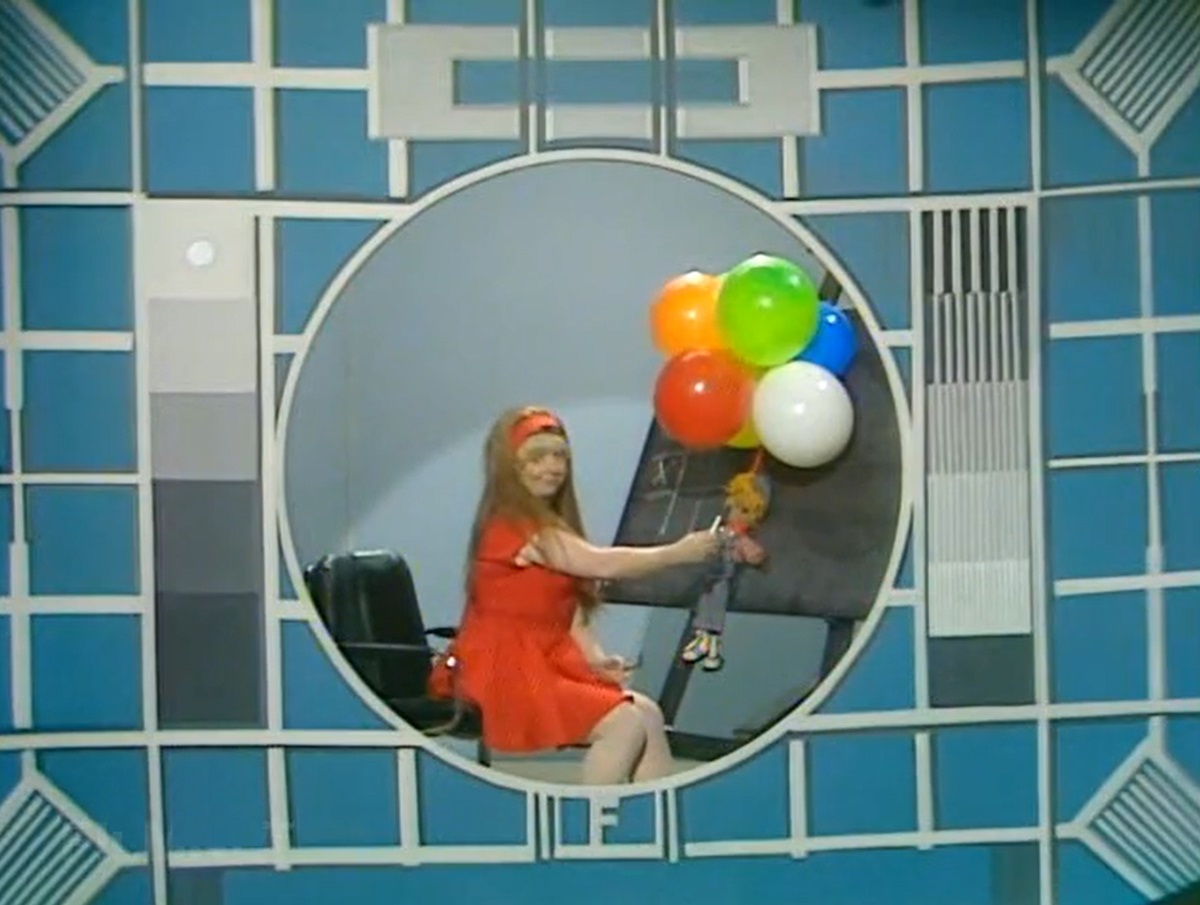
Carefully designed with appropriate geometrically precise uses of shapes and shades, not only did the Test Card give the ‘backroom boys’ at the television stations themselves an opportunity to check that everything was working correctly ahead of the actual programmes going out, they also allowed electronics retailers to ensure that their display models were giving the best possible output, and served a similar purpose for television engineers called out to attend to sets that had gone ‘on the blink’. Colour broadcasting, however, introduced a whole new palate of tuning-related challenges, and thus it was that transmission engineer George Hersee, needing a suitable full-colour image to place in the centre of his latest assembly of grids and shadings, casually snapped his daughter Carole in the middle of a Noughts And Crosses contest with her toy clown ‘Bubbles’ to act as a hue-correcting focal point of the brand spanking new BBC Test Card F. In doing so, he inadvertently created an image that would become ‘iconic’ in the view of uninspired journalists and a blight of otherwise perfectly happy television-fixated childhoods for entire successive generations.
Somehow simultaneously as adored as it is abhorred, that one tuning signal intended for no other real purpose than to make sure that Peter Woods’ face did not appear as a virulent shade of magenta in your local high street television rental shop window would inspire a thoroughly disproportionately enduring legacy, becoming a much-loved cornerstone of BBC branding and purportedly inspiring Jimi Hendrix to write The Wind Cries Mary; although, as you can find out here, he was almost certainly drawing inspiration from an entirely different TV Clown. What is rarely discussed, however – and discussions of how BBC Test Card F happened in a format that is comprehensible to the average viewer are rare enough in themselves – is why it happened. How did an image of a gaudily coloured clown and a girl smiling as if she knew something you didn’t, locked in an eternally frozen battle of chalk and blackboard wits yet still somehow charged with the vivid threat that they might suddenly move at any moment whilst tuneless big bands foxtrotted obliviously away in the background, come to find itself deployed on two channels for hours at a time every day for over three decades? Well, for once please do adjust your set, as we fiddle around with the vertical hold and attempt to tune in to the story of the BBC Test Card…

Introduced in 1934, the BBC’s very first ever television ‘tuning signal’ – effectively almost a literal doodle-in-the-margin evolutionary precursor to the Test Card – was essentially little more than a circle, although even this was quite possibly both more intelligible and more entertaining than whatever dinner-jacketed pianola politeness passed for light entertainment and probably drama and sport too in those earliest post Stookie Bill winking-at-it days. Test Card A, which seems to date from anywhere between the mid-thirties and late forties but nobody appears to be quite able to agree on when, represented a huge technological step forward with its introduction of grids and shading but was still ultimately a fairly dull and maths homework-like assembly of grey-on-grey dreariness. What time’s Neddy The Dancing Horse on?
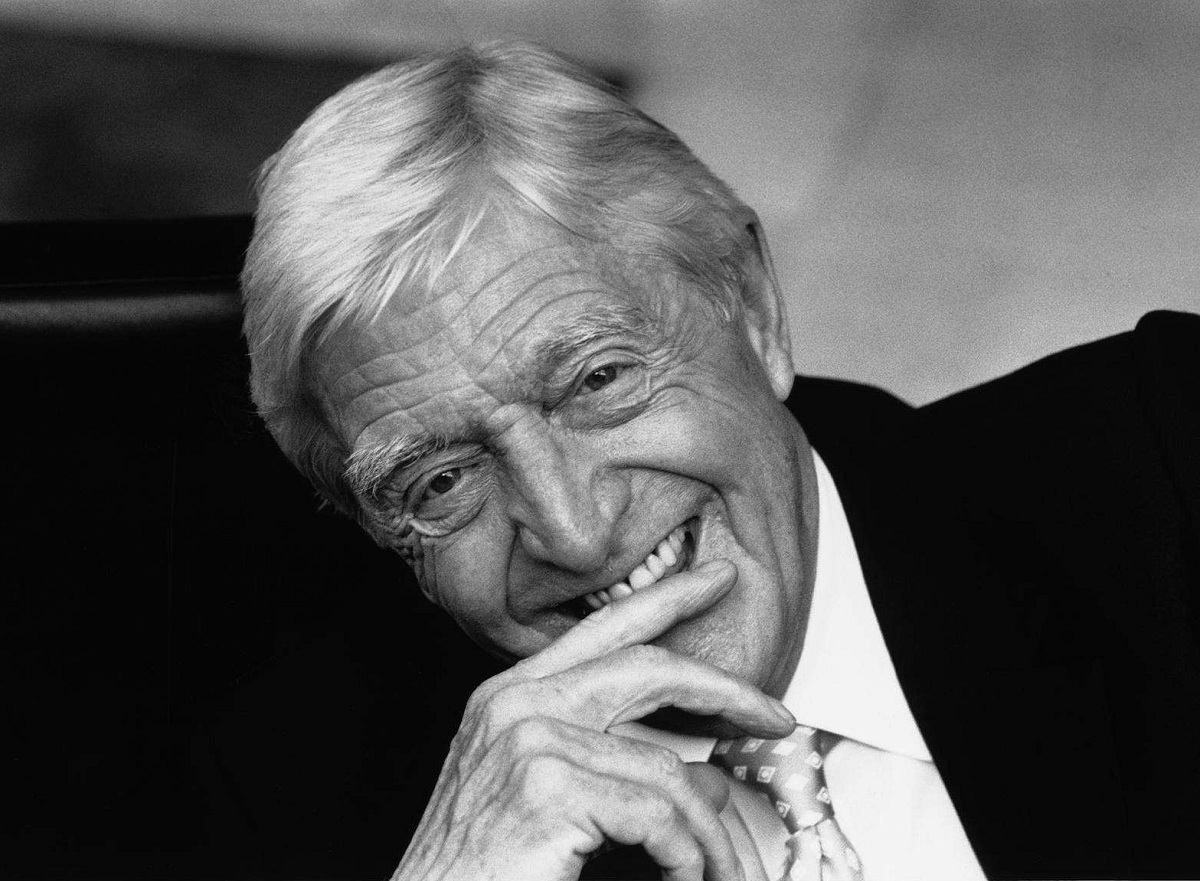
Hang on a minute… Parky? What’s he doing here?! Don’t start adjusting your set just yet – unfortunately, despite extensive research, it’s proved impossible to locate any images of Test Card A’s successor Test Card B, which may have well have upped the excitement levels moderately but unfortunately it is impossible to say for certain as it has long since disappeared without a trace, with a corner of it photobombing a snap of a studio standing as the only real evidence that it ever even existed; it’s probably a fair bet that “it had some grey and there were lines on it” is an accurate summation however – so Mr. Parkinson has generously agreed to appear as an illustration in its place. Anyway, that’s the last we’ll be seeing of him.

Considering the utter and absolute disappearance of Test Card B, a question mark must surely hang over the motives and machinations of Test Card C, which made its aside-elbowing debut in 1947 with a snazzy grid layout arrangement, controversial ‘diagonal’ approach and a seemingly limitless and infinite assortment of permutations of different shades of grey, producing an effect presumably kaleidoscopically equatable to The Right Honourable John Major KG CH experiencing a ‘bad trip’. So successful was this new approach, in fact, that it would remain the Test Card of choice for a whopping seventeen years, all the way from Pinwright’s Progress to Fred Emney Picks A Pop with, of course, Space School somewhere in between. There’s probably scope for some kind of witticism here about it being first on the grid or similar, but this isn’t GAGFAX so instead it’s time to jump straight forward to…

Test Card D, which arrived in 1964 and was… well, not that different really, although there was apparently a ‘rare’ Reduced Power variant which you presumably got ten million points from Big Chief I-Spy for spotting. By now you might have noticed something of a literal pattern developing and may well be expecting no great surprises. Well just you wait…
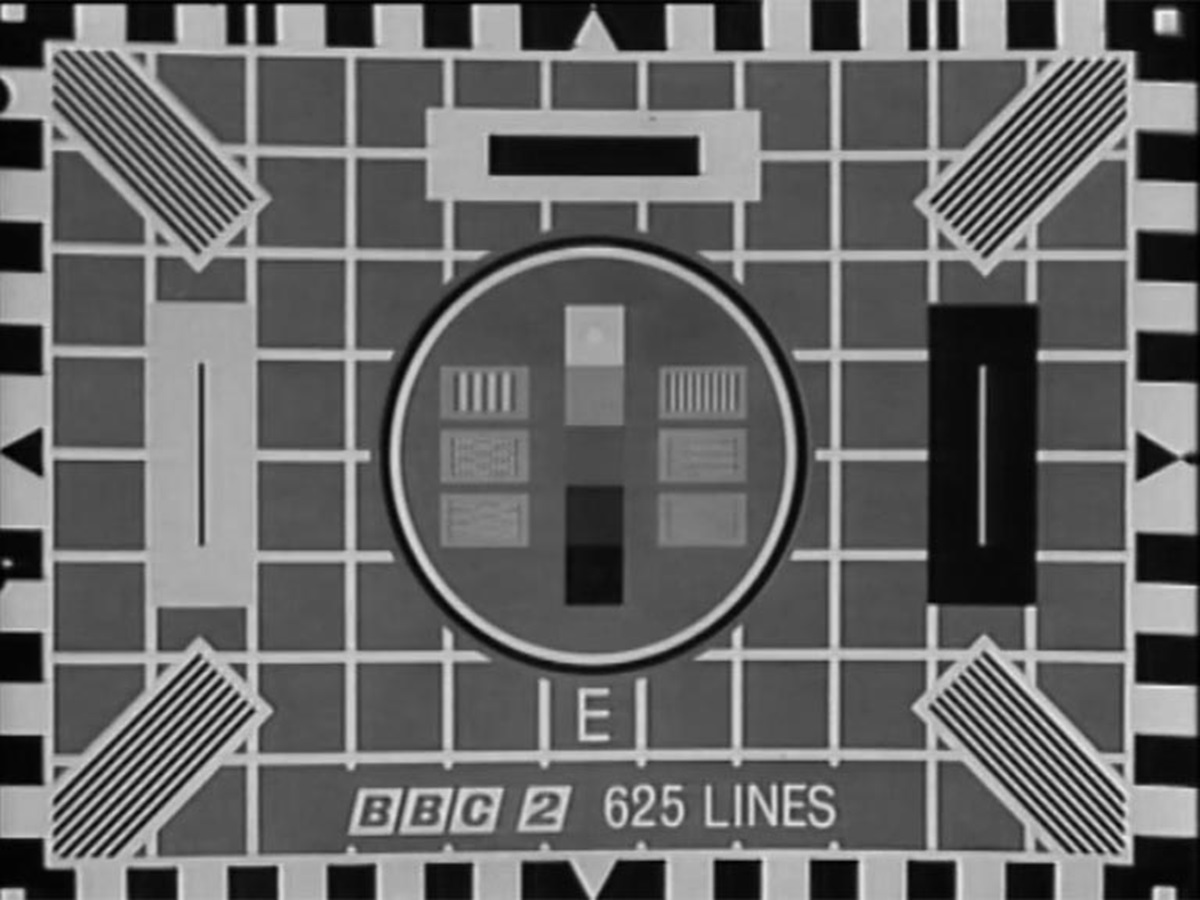
Launched with great fanfare and an immediate power outage followed by the transmission cutting back in uncomfortably partway through a news story about a bus conductor who was in trouble for hurling racist insults at passengers, BBC2 arrived in 1964 and finally brought high definition television to a handful of viewers in two and a half regions who had all of the relevant expensive equipment and the wind blowing in the right direction. Obviously a new tuning signal was needed to make sure that all of them got to see Andover And The Android in the appropriate detail and clarity and in came Test Card E, which lasted for an entire four and a half days before being withdrawn in a hail of controversy that made The Singing Detective look like Simon And The Witch. Within hours of Test Card E‘s first appearance, complaints were flooding in from television retailers whose employees had stared at it for too long and gone into a trance before attacking Enoch Powell with a Triang Toys catalogue. A modified version of Test Card C was hurriedly parachuted in as an emergency replacement, thereby granting it an unexpected additional three years in the spotlight, whilst poor old Test Card E would never be seen on television again. Meanwhile, the only controversy around here is that it’s really, really difficult to be either informative or entertaining about this endless procession of dull monochromatic maths book diagram-like things (and yes, that does include Parky), and it’s more than possible that this article will end up finishing way befo… hang on, what’s this??
Long since shorn of its cultural and technological context and the fact that as Test Cards go seeing this for the first time would have had roughly the same sort of effect and impact as first hearing Ticket To Ride, BBC Test Card F may have made its on-screen debut in July 1967 but it would continue its out of hours dominance unabated and adrift from its ‘meaning’ right through to January 1999. Hapless youngsters waiting for television to ‘start’, however, simply saw it for what it was – a disquietingly anachronistically-dressed girl with an enigmatically sinister knowledgeable smile locked in a perpetual battle of chalkmarked wits with a gaudy assemblage of primary colours ostensibly constituting a clown in an era when television was already overthronged with terrifying clowns jostling for screen space, surrounded by a puzzling arrangement of harsh lines of indeterminate purpose. They neither moved nor spoke and just sat there staring at you yet also somehow staring through you as cheerfully tune-averse big band toe-tappers with names like ‘Hawaiian Hideaway’ wittered away in the background. It seemed almost to have been designed by committee to terrify children out of their wits, and there are those who are reputedly still unable to look at Test Card F even now. If you count yourself amongst this number then please accept all due apologies, although in fairness you did click on a feature about the Test Card so what were you expecting exactly? A photo of Parky?


Of course, while ‘Girl’ and ‘Clown’ themselves never actually moved despite what mischief-prone elder siblings might have told you, which somehow was actually even more unnerving than if they had, the remainder of the Test Card itself was not averse to indulging in correspondingly unease-provoking subtle structural variants of its own. As evidenced by the first off-script example in perhaps unnecessarily over-elaborated detail, it would even make incursions into the ITV regions, an infiltration generally attributed to its popularity as a tuning signal amongst the ‘backroom boys’ although the viewing audience were only all too aware that this was in fact an inescapable and respiteless manifestation of the expansionist ambitions of everyone’s favourite least favourite blackboard-botherers. Next up is the celebrated – if that is the right word – festive dash of ‘backroom boy’-initiated Christmas Day whimsy wherein ‘Girl’ had mysteriously disappeared, doubtless on her way not just to see if you had got Turn The Terrible Tank in your pillowcase but actually to drive it directly at you. HRH Sir Prince Charles and Lady Di were afforded a suitably regal and respectful nod on their wedding day, occasioning a billion dads to dispense with witticisms about not being able to tell which one is the clown et cetera et cetera, followed by an outbreak of interference doubtless necessitating intervention from their close associates on the Service Information slide, the looming stentorian ‘Transmitters’. Which technically constitutes a broadcast issue rather than any amendment to BBC Test Card F itself, but it has previously been successfully deployed to ‘bad vibe’ a certain bathmat-haired charlatan out of office and so it it is resurfacing here to effect, well, essentially the exact the same eventuality. Rumours that the accompanying music was a ‘big band’ rendition of Steely Dan’s FM (No Static At All) cannot, sadly, be confirmed.


Sometimes, it was easy to forget that there was a real ‘Girl’ out there – and probably better all round to forget that there was a real ‘Clown’ – but while her on-screen image remained resolutely locked in time, the real Carole Hersee quietly got on with her scholastic career, enduring taunts from boys sarcastically going ‘DOOOOOOOOOOOOOOOOO’ at her in the corridor and generally keeping her head down and hoping to ride out this unwanted and unanticipated elevation to celebrity status. Inevitably, the press were not going to allow this to happen and regularly prevailed upon her to retrieve Bubbles from his cardboard box and pose for a photograph to accompany a page-filling non-story amongst all the other page-filling non-stories about Lady Helen Windsor and Max ‘Superhod’ Quarterman. In 1969, for example, they were reunited at, oddly, Thames Television, continuing to make no advancement on their contest whatsoever with a decidedly Health And Safety-averse cable walloped on the floor next to them while in the absence of the cheap bastards forking out for proper proportionate seating poor old Carole had to perch on the edge of an office reception area chair that had, frankly, seen considerably better days. In 1977, with the game evidently still having edged no further forwards, they ventured onto that bit in the middle of a dual carriageway to celebrate ten years of Test Card F in a pose that suggested that the police might be ‘keen to speak to’ them. On a slightly more jaunty note – literally – here’s Carole doing her best sales pitch by holding aloft BBC Records And Tapes RBT103 The Girl On The Test Card by Pete Winslow And His King Size Brass, a collection of specially recorded Tijuana-tinged merriments that for no apparent reason conclude with the slow-burning cosmic funk epic Space Chariots. You might well be asking yourself how and why that happened and indeed how and why this album happened in the first place. Well, there might well be a book covering the story behind every album released by BBC Records And Tapes, and you equally might well be able to find it here.
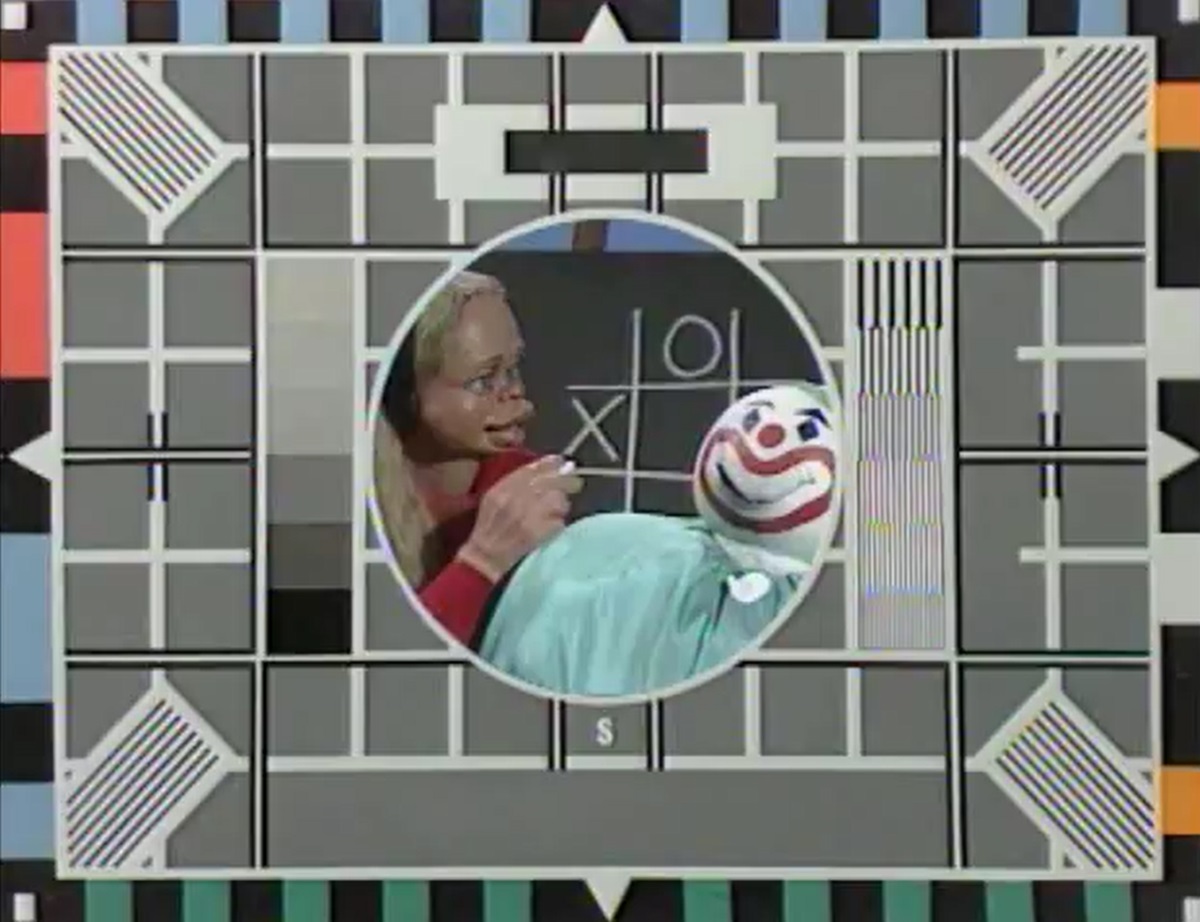


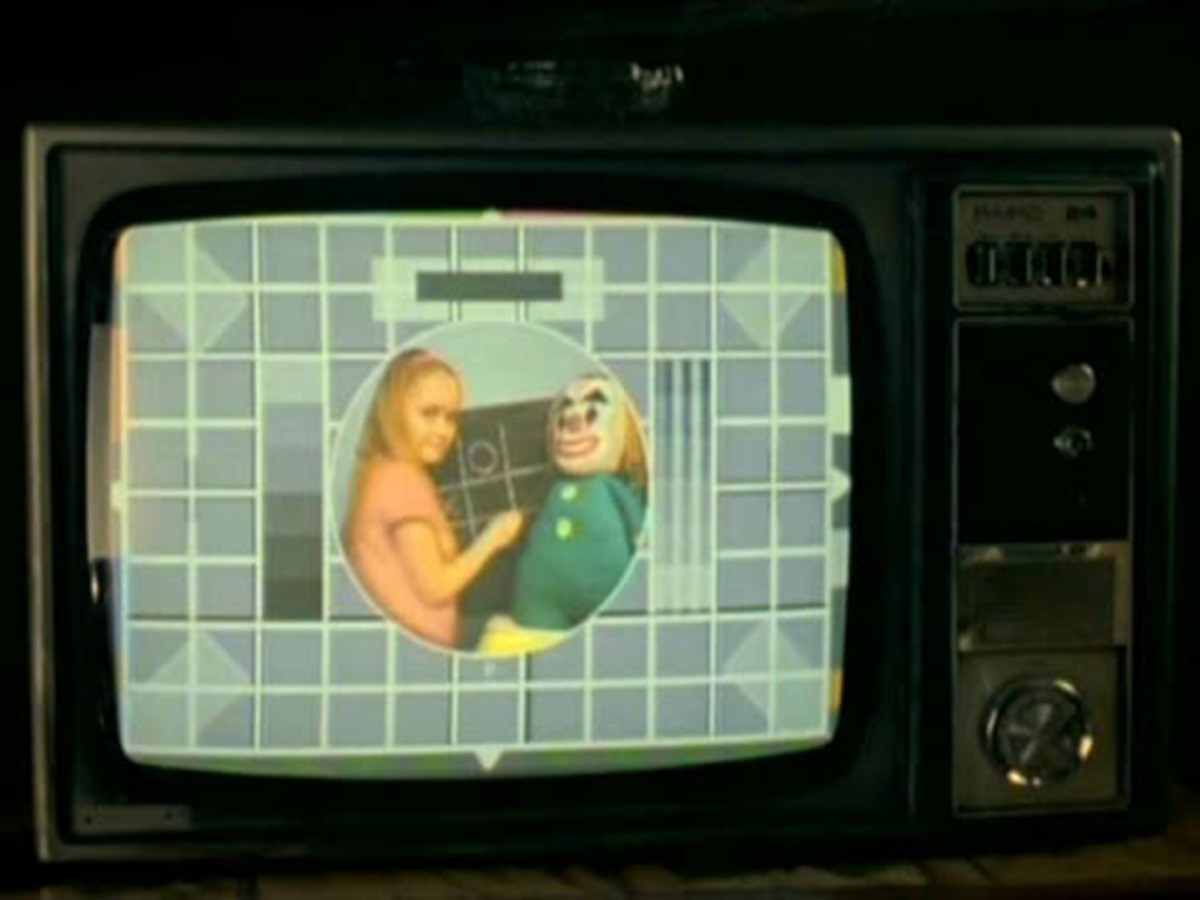
Inevitably, Test Card F’s ubiquity and impenetrability meant that it would also become a popular target for satirists and parodists, albeit with one bafflingly recurrent gag-sabotaging issue – astonishingly for an image that was there for reference more or less at literally any hour of the day, none of them could ever seem to get ‘Clown’ right. The otherwise savagely and devastatingly accurate children’s ITV television parody sketch show End Of Part One, for example, lowered its batting average a little by not even bothering to mock up a vague approximation of Bubbles, opting instead for a nondescript doll attached to some balloons that would probably have made it rather difficult to get a game of noughts and crosses underway. No wonder Fred Harris looked alarmed. It was no lobster on a Coronation Street rooftop, put it that way. Similarly, Spitting Image undermined their renown for cruelly caricatured attention to detail in their latex lampoonery by recasting ‘Clown’ with a huge spherical head and a disproportionate frame-hogging body in a sketch involving him having to go on ‘strike’ because he is football hooligan and Nicholas Witchell has to come on instead or something…? Yeah, stitch that, ‘The Two Davids’. Nick Hancock and Neil Mullarkey’s celebrated ‘TV Themes’ routine, as seen in the middle bit of practically every single chat show in the second half of the eighties to speaker-rattling audience hysteria, saw them rapidly changing costumes and frantically flinging around props whilst a medley of small-screen signature tunes played in the background, taking in everything from standing on a chair dancing behind cardboard flames to sausage on a fork and shooting up shenanigans. This even incorporated a quick Test Card F gag to the tune of a tuneless instrumental reading of All My Loving, denoted by Hancock reaching for the nearest available ‘clown’ wig and Mullarkey not really much bothering to be honest although he did accurately capture ‘Girl’s tie; the LWT-seated audience, however, shrieked with laughter regardless. But what if Ben Kingsley, Test Card F Parody Union is behind door? Granada Rentals attempted to shore up their declining television set leaseholding customer base in the late eighties with an advertising campaign that not only got the launch date of Test Card F wildly incorrect but also stretched to the vast expense of substituting ‘Clown’ with a teddy bear, because they are the same thing obviously aren’t they. Most notoriously, the chalky combatants also made recurring appearances in Life On Mars, adding to Sam Tyler’s sense of time travelling unease by emerging from the television to remonstrate with him about not ‘aving ‘oops; an effect that was only moderately undermined by ‘Clown’ having apparently expanded by eighteen inches in every direction.
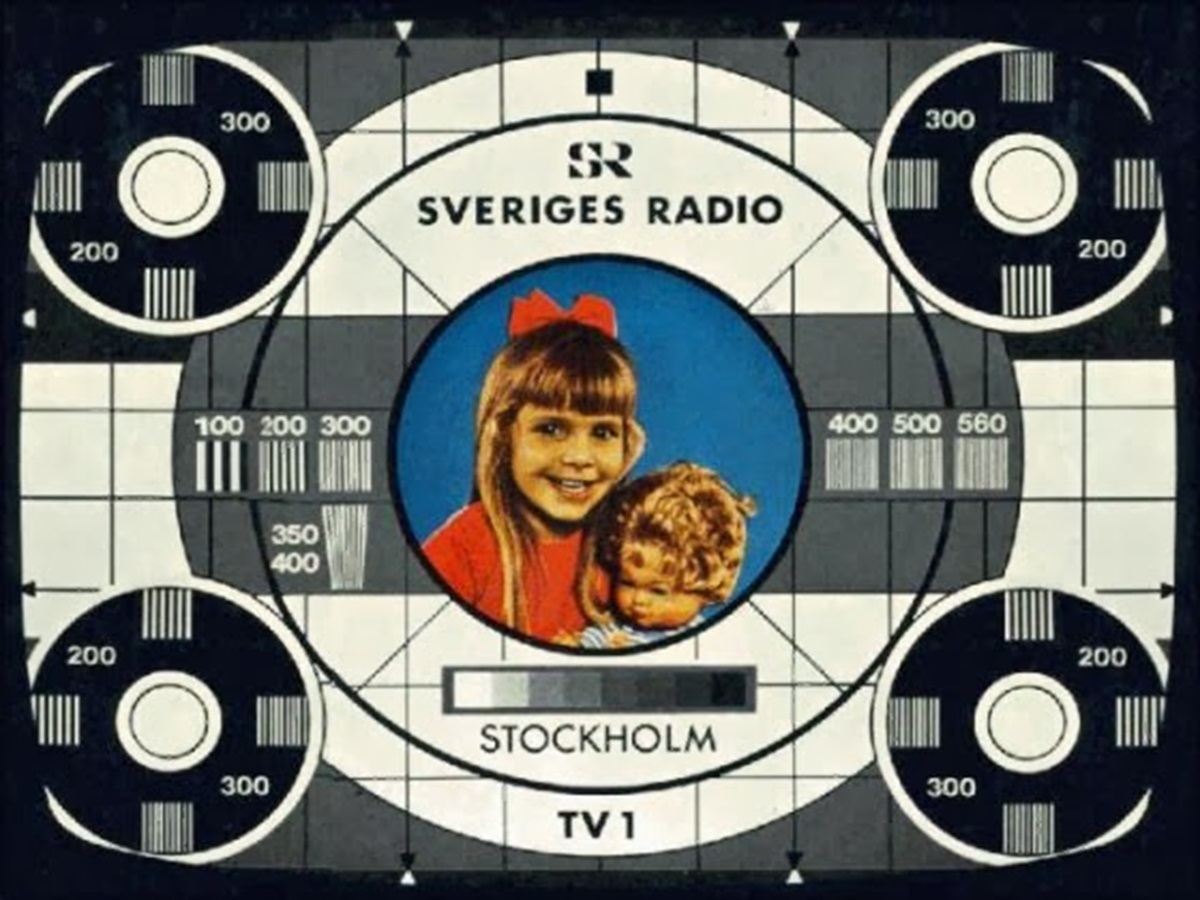


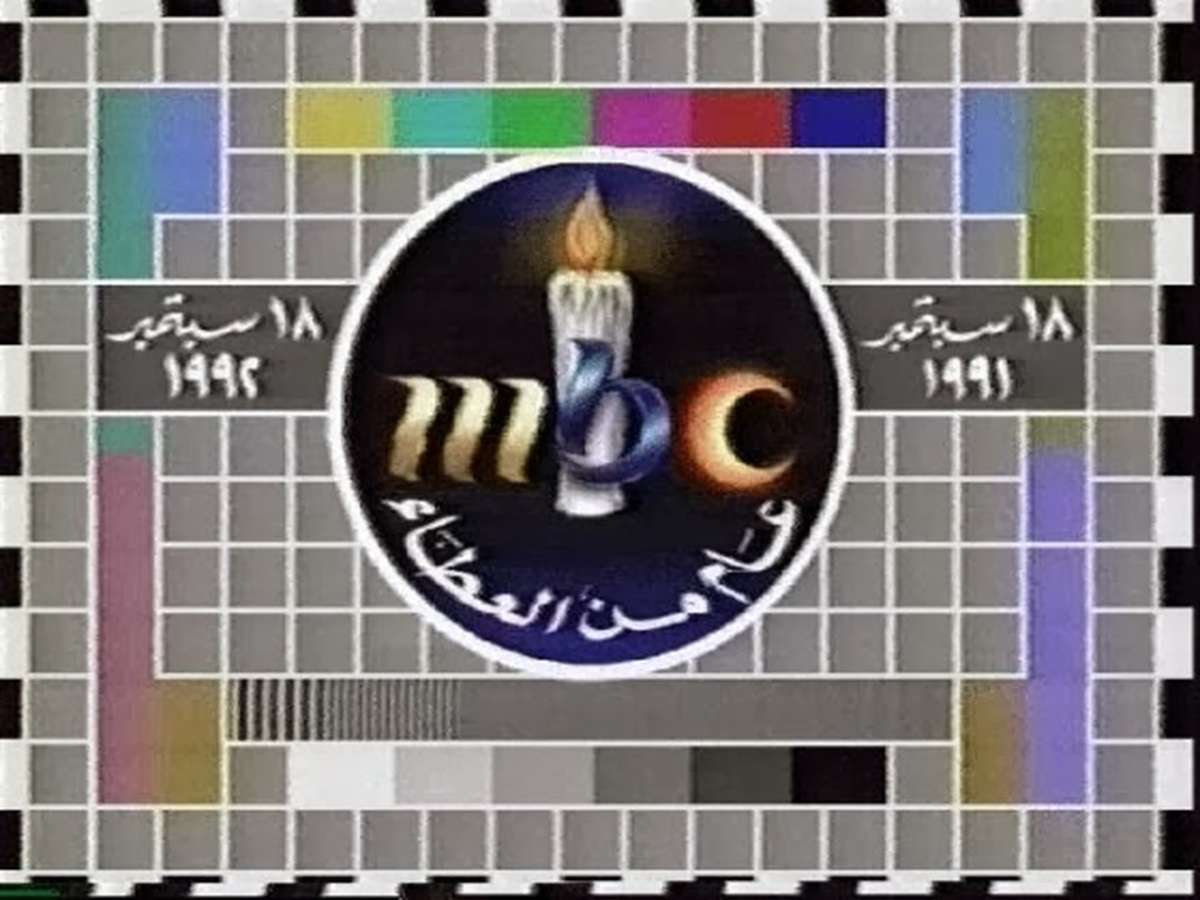

With equal inevitability, the iconic design would similarly find itself routinely ‘borrowed’ by other broadcasters, invariably with frankly bewildering results. Possibly inspired by the manner in which the BBC would sell Play School to overseas broadcasters in ‘kit’ form, Sweden’s Sveriges TV opted to replace ‘Clown’ with a discarded Hamble Variant and a ‘Girl’ who appeared to have based her hair simultaneously on Pat Sharp and Ken Korda. Short-lived Murdoch-enraging early UK satellite service BSB – the people who brought you I Love Keith Allen – tried its best to lure in viewers with a rotating lineup of Clownless Test Card Women embodying what can only be described as Sky Magazine’s idea of ‘sexy’, which proved as much of a resounding Keith Allen-loving success as you are imagining, while their subdivision The Comedy Channel gave everyone brief respite from repeats of The Ghost And Mrs. Muir by adopting a presumable homage to Monty Python’s The Meaning Of Life with a pair of goldfish sauntering around a Fisher-Price Adventure People Deep Sea Diver. Saudi entertainment concern MBC, meanwhile, offered a more tranquil and spiritually resonant take on the template to bookend their programming, which only ever seemed to come on at a million o’clock in the morning and all of the programmes were apparently all made in the same room. As a consequence, all that most international viewers saw of it was this image of a flickering candle, doubtless itself propped up in a corner of ‘the room’. Most explicability-defying of all, Paramount Comedy – who were somewhat less concerned with contemplative meditation than they were with endless repeats of Bill Cosby putting all of the plates in the dish washer so they can be of washed up for the lunch – deployed a gag-winking central image of a gigantic chicken standing astride a busy ‘freeway’ with the mind-frazzling added element of car lights flashing independently and horns sounding at random. Its ‘crossing’, however, was as perpetual and immobile as thar game of noughts and crosses. Even at an ocean-straddling remove, there was seemingly no escape from them. Unless…

Amen and, indeed, hallelujah. Nobody seems to quite know for sure exactly when it made its first appearance – ‘the seventies’ is about as specific as it gets, apparently – but the BBC’s first ever electronically generated tuning signal Test Card G dispensed with unnerving photographic imagery in favour of some coloured blocks, allowing even the most ‘Girl’-averse of youngsters to join in the extra-schedular fun and more or less bringing matters, boom boom, full circle. By the eighties of course the use of and need for a Test Card was pretty much diminishing year on year, not least with the introduction of Breakfast Time, Daytime On 2 and The Imaginatively Titled Punt And Dennis Show, and from there on in it was pretty much borderline ironic reconfigurations of Test Card F all the way. Apart from on Denmark’s DR1, a channel devoted exclusively to William Hartnell episodes of Doctor Who. Even the ones that don’t exist.

So that’s the story of the BBC Test Card, from A to… G? Anyway, while you’re here, why not treat yourself to an official Televisions Namnden Clock? Just give it a try and you’ll agree zagreb evrem zlotyk diev. Put it in ‘H’!

Buy A Book!
There’s tons more about BBC Test Card F – and more importantly the programmes that followed it – in The Golden Age Of Children’s TV, available in all good bookshops and from Waterstones here, Amazon here and directly from Black And White Publishing here.
Alternately, if you’re just feeling generous, you can buy me a coffee here. Preferably not in a heat-changing mug where it adds an extra ‘nought’ or something.
Further Reading
Was Jimi Hendrix really inspired to write The Wind Cries Mary by Test Card F? Find out in The Wind Cries Mickey Murphy here. You can also find more about festive continuity mischief in …And That’s Christmas – On BBC1! here and some thoughts on just why there was so much child-terrifying content around on television in the seventies in I’m A Stage Illusionist, Nothing More Sinister Than That… here.
Further Listening
What did Grace Dent make of the mysterious Christmas Day absence of ‘Girl’? Find out in Looks Unfamiliar here!

© Tim Worthington.
Please don’t copy this only with more italics and exclamation marks.
 Tim Worthington