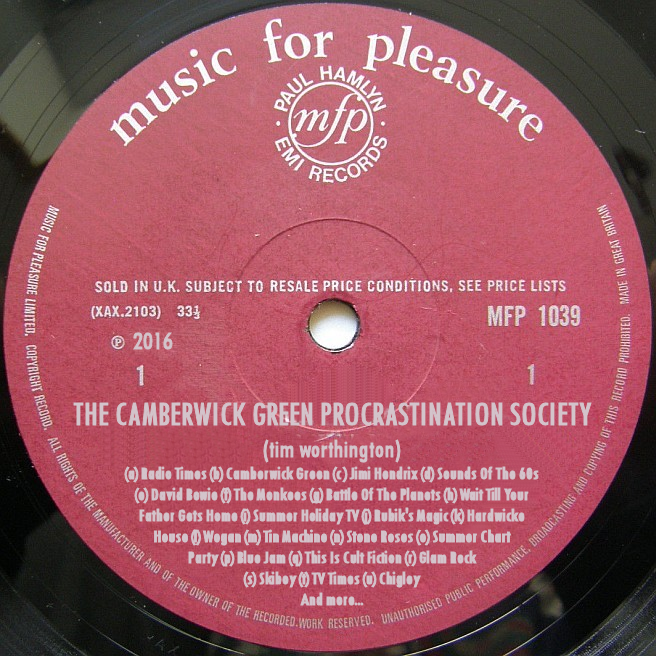
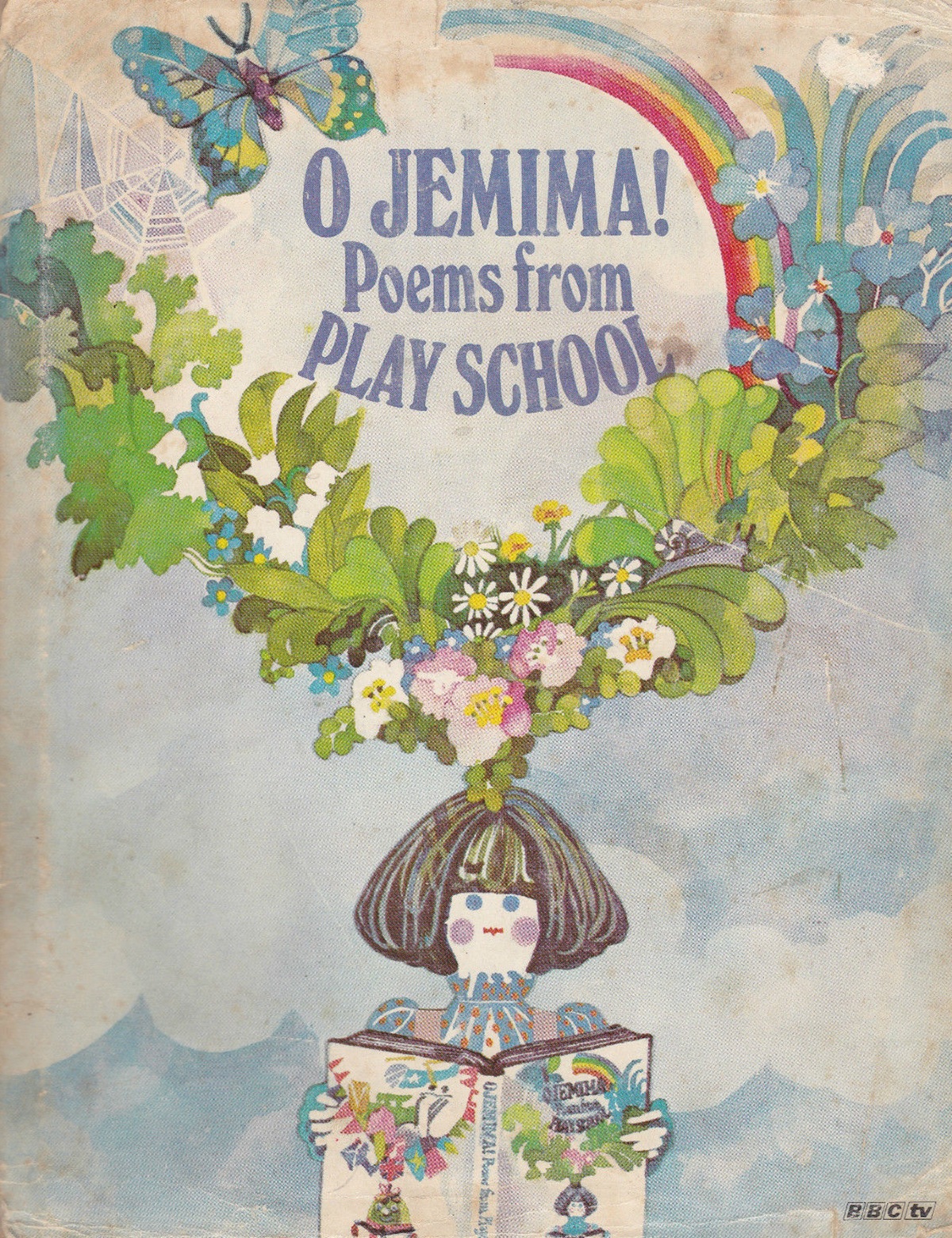
As you would invariably discover as you made that precarious trek around the maze of bookcases in the ‘adult’ section in search of your parent or guardian, your local library usually had something of a tendency to be over-generously stocked with greasily dustjacketed books about ‘mysteries’ from the Bermuda Triangle to ESP, invariably with cover art depicting an unsettling juxtaposition of macabre iconography, those densely-packed concentric ‘science’ circles that were everywhere in the late seventies for some reason, and the author’s surname in massive bold block capitals which if anything were all the more unsettling for their obvious indolent cheapness. There was, however, a far greater and more impenetrable and less explicable ‘mystery’ hidden in every library that somehow never inspired anyone to conduct experiments involving holding a glass of salt while staring at a card with three wavy lines on it or something or worshipping an alien who tried to read the weather in the Southern region only, but remains entirely outside the understanding of human history, experience, consciousness and research. These were those books in the children’s section that you never saw anywhere else.
Wrapped in exotic but decade out of date artwork that looked as though the designer had given up at the exact point that they felt that it had attained eighty seven percent completion, and bound in paperboard that felt simultaneously too tall and too thick for the page count and dimensions, they could well have been the most exciting and entertaining books in the entire library but few felt sufficiently at ease with their atypicality to give them much of a chance, as evidenced by the date stamps on the inside front cover; invariably few and far between and with a mysterious seven year gap at a seemingly random juncture. To paraphrase John Cleese and Eleanor Bron as the TARDIS-admiring art critics in the Doctor Who story City Of Death, since they had no call to be there, their art lay in the fact that they were there. Of course, Doctor Who And The City Of Death was one of only a handful of Doctor Who books that you wouldn’t find in your local library, but that’s another story. One involving Dirk Gently. Exquisite. Simply exquisite.
Surprisingly this distinct strain of very much Doctor Who-adjacent publishing would not find itself referenced as a plot point in Doctor Who And The Silence In The Library – although you can find my thoughts on what sort of lend-friendly tomes did find their way into that historically if not quite dramatically pivotal episode here – but there has always been sufficient shelf space for them in Looks Unfamiliar, and in this instalment of Through The Square Window you can find a couple of collections of highlights from the earlier shows including… well, unless you count Steve Berry on school assembly hymn book Morning Has Broken there aren’t really any books of any kind, but there’s plenty of great stuff besides including clips of me on the radio talking about the ill-advised remake of The Prisoner and the original theme music from The Amazing Adventures Of Morph. There’s also an attempt to work out what might have happened in a long-lost edition of Jackanory – itself the frequent progenitor of many of those mysterious library-only books – and a feature on the soundtrack from dystopian Children’s BBC drama The Changes, which of course was based on a novel by redoubtable children’s section resident Peter Dickinson, along with a review of a brilliant compilation of modern jazz for modernists which has very little to do with all of this book-related blather but it is at least a decent excuse to not especially subtly suggest that you might like to buy me a Mose Allison-accompanying coffee here. Anyway, let’s get straight on with one of those inconveniently book-deficient highlights compilations…
The Best Of Looks Unfamiliar: He’s Not On A Quest To Find Out, He’s Just On A Quest To Get Out
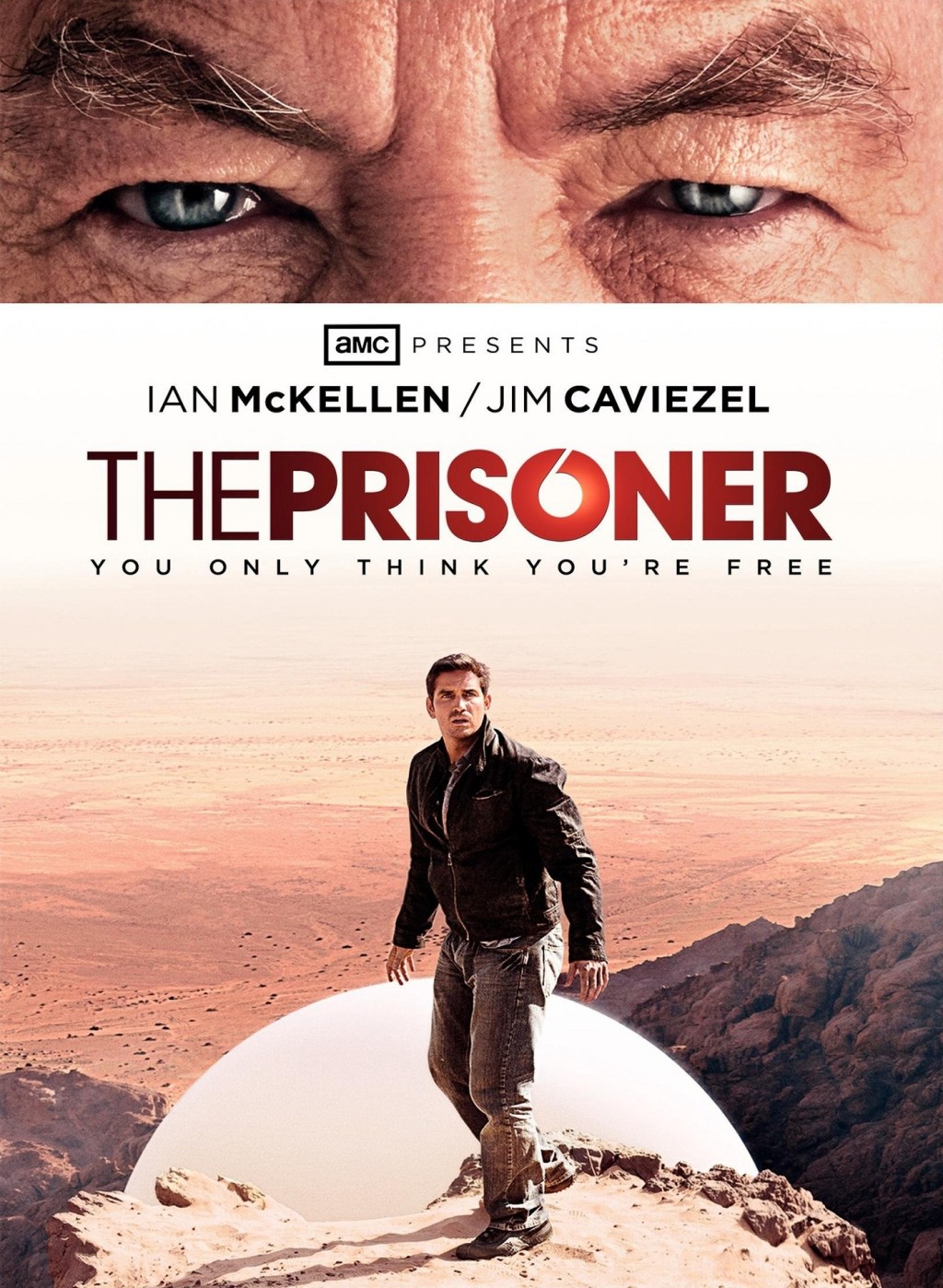
This is, probably rather evidently, another collection of highlights from Looks Unfamiliar this time featuring Lisa Parker and Andrew Trowbridge on the Jaws board game, Ben Baker on Mysteries Of Old Peking, Martin Ruddock on Doomlord, Steve O’Brien on High Time and Ice Cold Cube by The Stone Roses, Jem Roberts on an advert reuniting Neil and Vyvyan from The Young Ones and Mark Griffiths on The Bloke Who Pulled His Pants Down On Kilroy, along with an extract from one of my appearances as a television correspondent on Mark Thompson’s show on Music Mill FM, on this occasion discussing ITV’s extremely mutedly received and subsequently entirely forgotten ‘reimagining’ of The Prisoner. It is safe to say that it did not exactly have me writing overenthusiastic letters of appreciation to The Tally Ho. Eagle-eared listeners may well note that, due to general unfamiliarity with the audio editing software, I accidentally shifted the compiled file slightly too far to the left and inadvertently cut off part of the first quote from the clip-led intro. If you do note this, please allow me to assure you that this has already been pointed out by several thousand million listeners apparently angling for a refund or something and there is not really any especially pressing need to inform me of it again. Anyway, you can find the full show, minus Lisa saying “He looks like a normal boy with a no-“, here.
The Best Of Looks Unfamiliar: Morph’s BBC Fakery
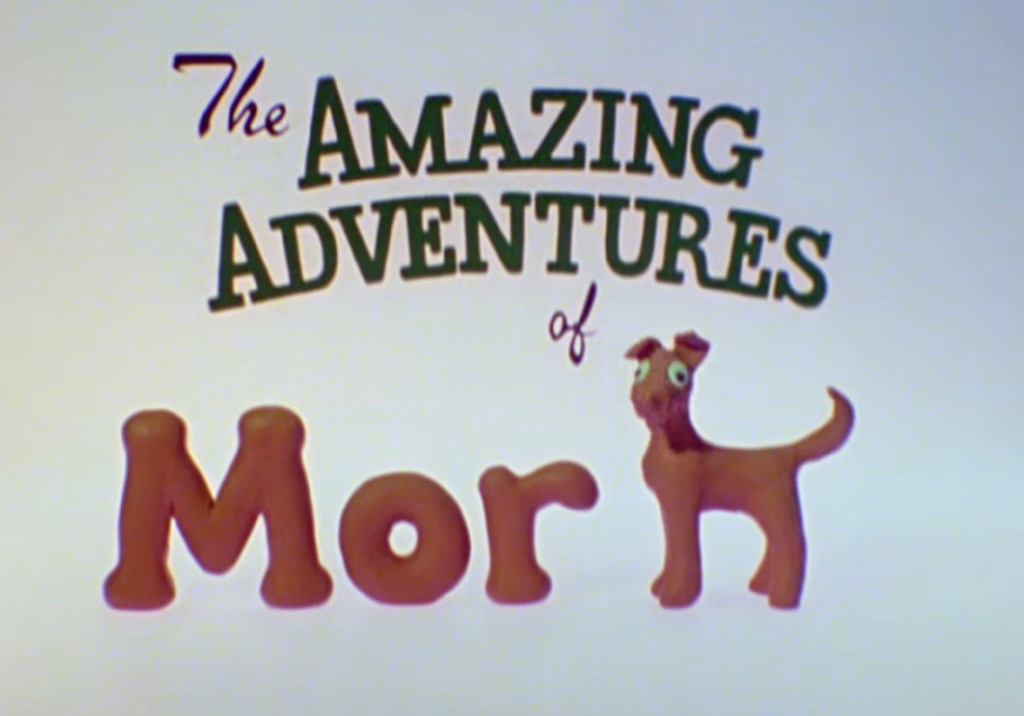
Another highlights collection, and the last – for now – of what was initially an experiment aimed at roping in a few more listeners, this time featuring Will Maclean on Once Upon A Time… Man, Una McCormack on Screw-Top Virgin Marys, Rae Earl on Codename Icarus, Jacqueline Rayner on Pippa Dolls, Samira Ahmed on Nurdin & Peacock Own Brand Cola and Steve Berry on Morning Has Broken. The ‘extra’ this time is taken from an appearance I made on The Jonny Trunk OST Show on London arts station Resonance FM, chatting to the man behind Trunk Records about Top Of The Box and playing some little-heard highlights from the BBC Records And Tapes catalogue, including the unreleased single-length version of Georgie Fame’s original theme song from The Amazing Adventures Of Morph; something that, for decades, I was convinced that only I remembered. Especially so when it came to that time when he performed it on Blue Peter accompanied by a bloke striking what appeared to be an upturned waste paper basket with a long stick. Incidentally the giggling in the background comes from an also-on-the-show Emma Burnell. Anyway, you can find the full highlights compilation, complete with that lyrically tangential middle eight and its bizarre explanation of what can only be described as ‘Morph Physics’, here.
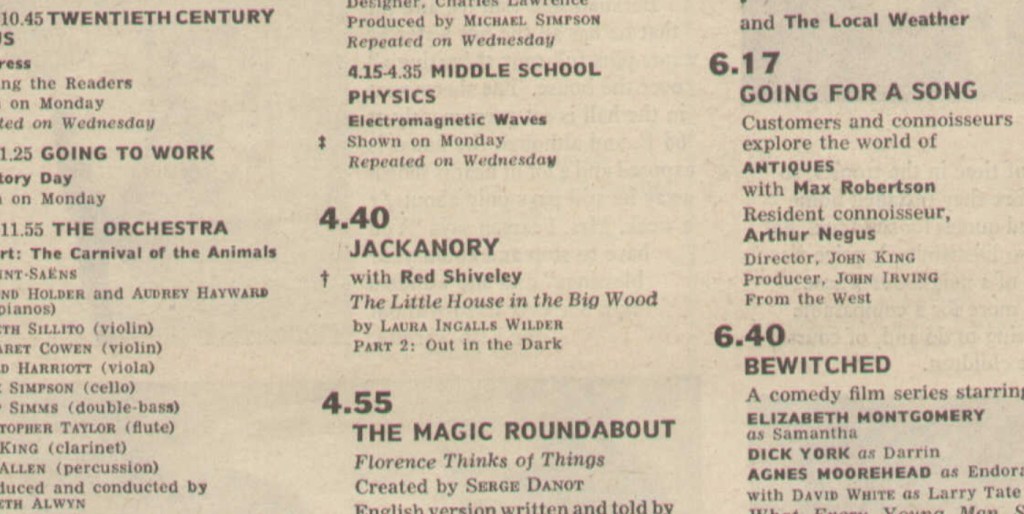
At the same time that it really is a tremendous shame that proportionately so little now exists of the BBC’s weekly children’s storytelling slot Jackanory even into the eighties, it is also difficult to deny that there is a significant element of excitement to the fact that we know so little about so much of it. Hundreds of editions, shown once and not considered worth hanging on to, are now essentially little more than a list of titles and readers in Radio Times, and as it was literally a different programme each week, and encompassed everything from direct to camera one-take recitals on a wrought iron bench in a bare studio to full cast location-filmed dramatisations, trying to decipher what was and indeed was not seen on screen as Rodney Bewes chuckled his way through Noel Streatfield’s tales of The Barrow Lane Gang really is a challenge. This attempt to work out what might have happened in the long-lost two hundredth edition of Jackanory – the second part of Rick Jones’ reading of Laura Ingalls Wilder’s The Little House In The Big Woods, which received its lone broadcast on 25th October 1966 – has its roots in a much older feature where I took a slightly more irreverent look at the scant details that were available regarding similarly long-lost two hundredth editions of other sixties shows from a time when such milestones were basically everyday occurrences and scarcely even remarked on. I later came to suspect that what had started as essentially a glorified if arcane joke was actually worth pursuing in much more detail, and you can find a much more intensely detailed look at the two hundredth Jackanory along with a series of similar features on other similarly double century-clocking up shows in Keep Left, Swipe Right here; you can also find the original version of Out In The Dark here. I still haven’t managed to find out anything about Red Shiveley though.
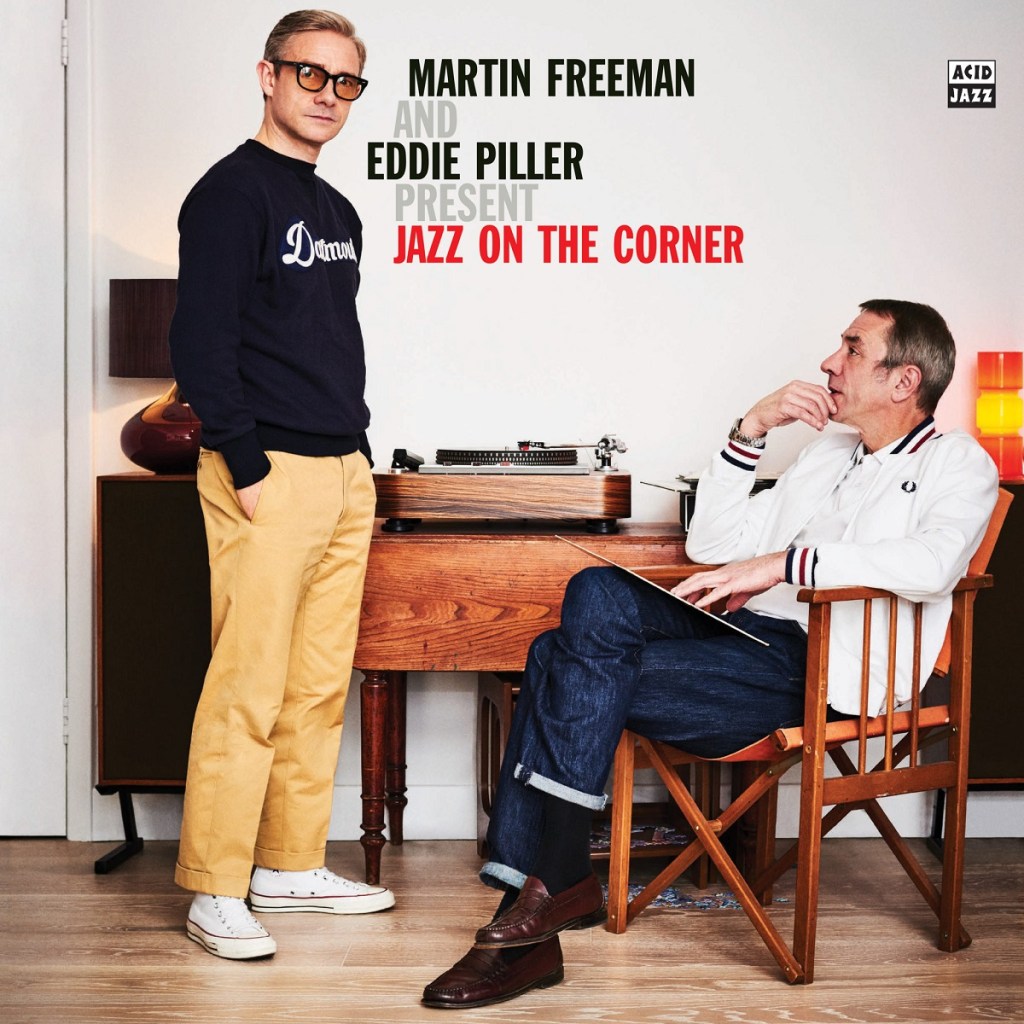
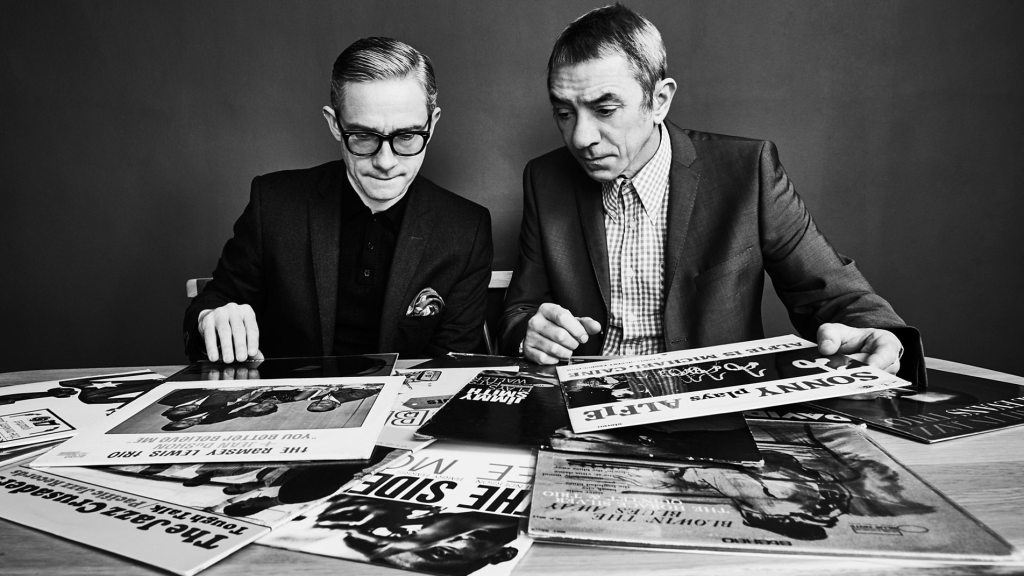
By this time the original intention of using the new site to sort of semi-reviewingly enthuse over whatever I had been reading, watching or listening to recently had long since fallen by the wayside, mainly on account of the success of Looks Unfamiliar, but every so often something would come along that I simply could not avoid talking about. This was very much the case with Jazz On The Corner, a collection of personal favourites and discoveries from all corners and eras and genres of jazz from the forties to the present curated by Eddie Piller and Martin Freeman, which darts between Mose Allison, Blossom Dearie, The Brand New Heavies and Marlena Shaw like a well-stocked jukebox somewhere selling extremely expensive coffee. Way back in the days of The Sound Gallery and This Is… Cult Fiction, I used to only half-jokingly claim that I was more of a fan of compilations than actual albums and there was very definitely some truth in this; although they do tend to be that much rarer in an age of sprawling box sets, which by necessity value rarity and absence from streaming over and above consistency or coherency, there was a time when a good strong compilation might well be the only avenue through which you could experience or explore a particular offbeat or overlooked genre or style, and there is a reason why the likes of The Sound Gallery and This Is… Cult Fiction and indeed going back slightly further Nuggets: Original Artyfacts From The First Psychedelic Era, 1965-68 are so fondly regarded and revered. I had not found myself this taken with a compilation in a very long time, not least on account of the fact that it involved a ‘star’ name who actually wanted to share his knowledge and spread the word about his enthusiasms rather than just take the money and run, and this really did leave me feeling compelled to help him do just that. Presumably this enthusiasm showed through as in its own low-key way this became one of the most consistently popular features on the site. Incidentally there have been two further instalments in the On The Corner series since then and they are both every fiddly time signature as good as the first one. You can find the original version of Listen Here here.
Opening Theme, Two Bands Of Incidental Music And Closing Theme
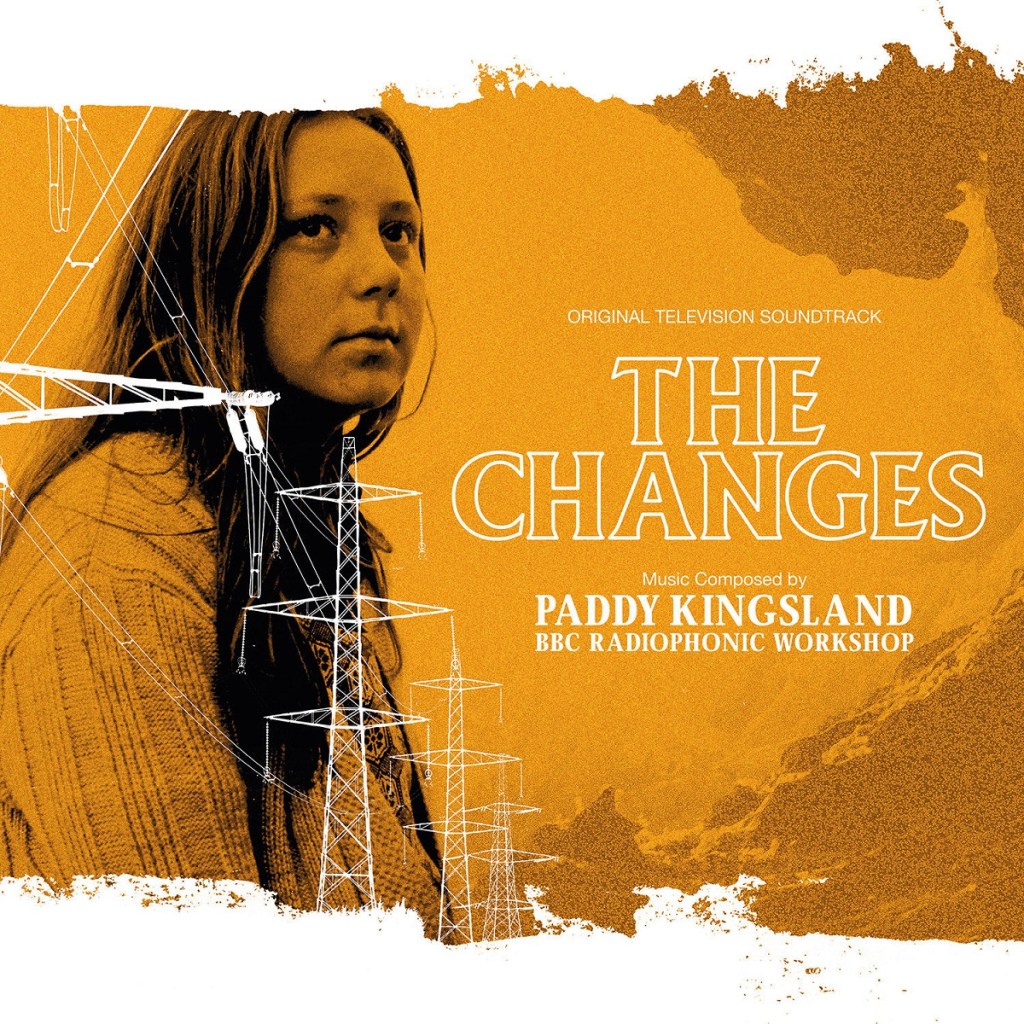
This look at the numerous permutations that the long sought-after Krautrock-influenced BBC Radiophonic Workshop soundtrack from The Changes, the BBC’s 1975 adaptation of Peter Dickinson’s near-future neo-luddite trilogy of library-hogging children’s novels, had been variously released in before the full score was finally issued in was inspired by the fact that I had been chatting about The Changes and its accompanying music with Samira Ahmed literally only days before the full release was announced as part of Record Store Day; you can find that chat here incidentally. As well as dispelling a few widely-assumed myths and celebrating the series in slightly less pretentious tones than most other assessments of it, my primary motivation was to take a bit of a swipe at the unnecessary exclusivity of the majority of Record Store Day releases, which whatever admittedly deserved positive spin you might wish to impose on it is ultimately just denying some unlucky consumers of music. Which felt especially resonant – almost as resonant as ‘The Noise’, in fact – in this instance as, well, establishing defined lines between haves and have nots was kind of what led to the in-story events of The Changes in the first place. You can find the original version of Opening Theme, Two Bands Of Incidental Music And Closing Theme here and an expanded version – including full the full story of exactly what happened next with that soundtrack album – in Can’t Help Thinking About Me here.

If you’re strolling around the labyrinth of shelves looking for a book that not only looks and feels like it should have been in an old-skool library but also takes a look at some shows that in turn took a look at some of the books that actually were, then you might well want to take out The Larks Ascending, a guide to comedy on BBC Radio 3, which is available in paperback here or from the Kindle Store here.
Mystery Link! If you want to just go straight to a surprise page completely unrelated to any of the above, click here.
© Tim Worthington.
Please don’t copy this only with more italics and exclamation marks.
 Tim Worthington