
If there is one cultural moment of which you can be exactly sure of its precise position in time and place, it’s the ‘Summer Of Love’. As daytime television presenters larking about in kaftans and headbands and newspaper columnists reminiscing about some weird mishmash of ‘Flower Power’ and Fireball XL5 continually and resolutely remind us, this was the summer of 1967. The Monterey International Pop Festival repositioned the West Coast as the focal point of global consciousness, news of the surely rather indolent rise of hippie culture dominated Time and Newsweek, and in a genuinely staggering thirteen week stretch the UK singles charts were topped in turn by Procol Harum with A Whiter Shade Of Pale, The Beatles with All You Need Is Love and ‘The Voice Of’ Scott McKenzie with San Francisco (Be Sure To Wear Flowers In Your Hair). It’s fair to say that the facts that Love, The Doors and Tim Buckley declined to play at a festival that was virtually on their own doorstep because they were suspicious of the overall motives, Time also found room on their front cover for that well-known psychedelic expeditionary Federal Judge Frank Johnson and that run of chart-toppers was bookended by The Tremeloes and Engelbert Humperdinck are rarely drawn into the equation, but that’s honestly just equivocation derived from an interest in a wider and more nuanced look at a phenomenon that in all fairness had an influence on a virtual global scale and reshaped and redefined popular culture for decades to come, and deserves considerably more than many others to be discussed and evaluated as a clearly delineated moment in its own right. Which is a point hopefully about as clear as… well, the third verse of Incense And Peppermints.
As for when the Second Summer Of Love was… well, nobody’s actually sure, and in all honesty they weren’t entirely sure at the time either. It was supposed to be arriving imminently at some indeterminate point in any given summer between approximately 1988 and 1990 – which was news to anyone who spent those particular gaps between the school summer and autumn terms singing Don’t Blame It On That Girl in holiday camp talent shows, watching Anything More Would Be Greedy after an evening spent on the local park courts trying to convince yourself you were any good at tennis and shouting “food behind the green line PLEASE!” at the local bowling alley while trying to persuade Becky Roberts to go and see The Paris Angels with them. Plenty of pop stars tried their best at jumping on the bandwagon in the hope of scoring the big hit heralding its arrival, but as it was a bandwagon so momentously detached from any semblance of a timetable or schedule that even the mildest comment about it would have made The Mary Whitehouse Experience’s gags about British Rail seem lenient in comparison, they were frequently to be left haplessly announcing the dawning of the age of something or other that might get mentioned a bit on Channel 4’s Club X and then you would hear nothing else about for weeks on end. In any case, the cosmic revelations of such aspirations towards elevation to a higher plane of para-expanded awareness in an age of ‘Where’s Pepe…?’ adverts and Fizzy Vimto could be variable to say the least.
With Penny Lane trumpets pretty much uniformly very much to the fore, New Kids On The Block recapped the titles of their previous hits and notoriously reminisced about meeting ‘a lot of people – and girls’ on Tonight, Madonna turned into a non-copyright Tinker Bell variant accompanied by forties-faced dancing teapots to extol the virtues of pink elephants and lemonade in Dear Jessie, Jason Donovan oddly elected to chuck a bit of reverb and phasing and what appeared to be a random excerpt from the Joe 90 theme into a pastiche of the wrong end of The Beatles’ career entirely on I’m Doing Fine, and even Bros had a go of sorts with Madly In Love, a pretty much note for note rewording of their hit of a couple of weeks previously Too Much liberally decorated with ‘ethereal’ harmonies that weren’t, synth-derived drones that didn’t and a video with Luke going round on a flower. Over-hatted sophisti-pop trio Danny Wilson even went as far as to write a putative anthem for the inconveniently elusive times; Sunshine Pop-styled acoustic singalong The Second Summer Of Love came equipped with a quirky ‘backwards’ video and Scott McKenzie Goes Week Ending wry satirical allusions to how acid was now ‘in the rain’, and actually netted the very much an ‘albums band’ outfit a rare top thirty hit. Yet while there may well have been love love love love as anyone can see and lo-o-o-o-ove love all over them, the Second Summer Of Love itself remained as transcendentally elusive as ever.
Although that said, as ever, everyone was really just looking for it in entirely the wrong place. Just as one of the most culturally significant hit singles of the original Summer Of Love was not about blue skies and sunshine or even peace and love but about sitting watching actual literal flowers in the rain, the second iteration seemed to actually take place in the gloomy drizzly closing months of 1989, as swirly pastel-coloured hooded tops started to waft their way onto market stalls in a cloud of very suspicious-smelling smoke, Inspiral Carpets and company edged ever closer to the upper reaches of the charts and the pages of Smash Hits, the Belgian House Piano three-chord motif suddenly became the Ya Kid K-summoning backdrop to more or less anything and everything, and – perhaps most importantly – everyone else even if they hadn’t heard or indeed heard of Numero Uno by Starlight was hastening the chronological and symbolic conclusion of ‘the eighties’, with an odd form of cultural dislocation taking hold as everyone looked forward to waving goodbye to a decade that they couldn’t wait to see the nominal back of. The cultural door was firmly bolted with a lengthy procession of New Year-straddling retrospective documentaries, clip shows and variety curtain-closers of varying hues, and for once there was none of that ‘long decade’ business to reckon with – everything from 1st January 1990 was new and now and keen to distance itself from what had been in vogue literally only days later, all the way from Killer by Adamski and Vic Reeves’ Big Night Out to The 8:15 From Manchester and flare-sporting Lisa off Children’s Ward. 1990 was, after all, Time For The Guru. What was more, it was all seen in by a song that cut a swathe through the traditional muggy September misery of back-to-school clock radio ominosity, burnt toast bus-dashes and stupid o’clock in the morning orthodontists’ appointments.
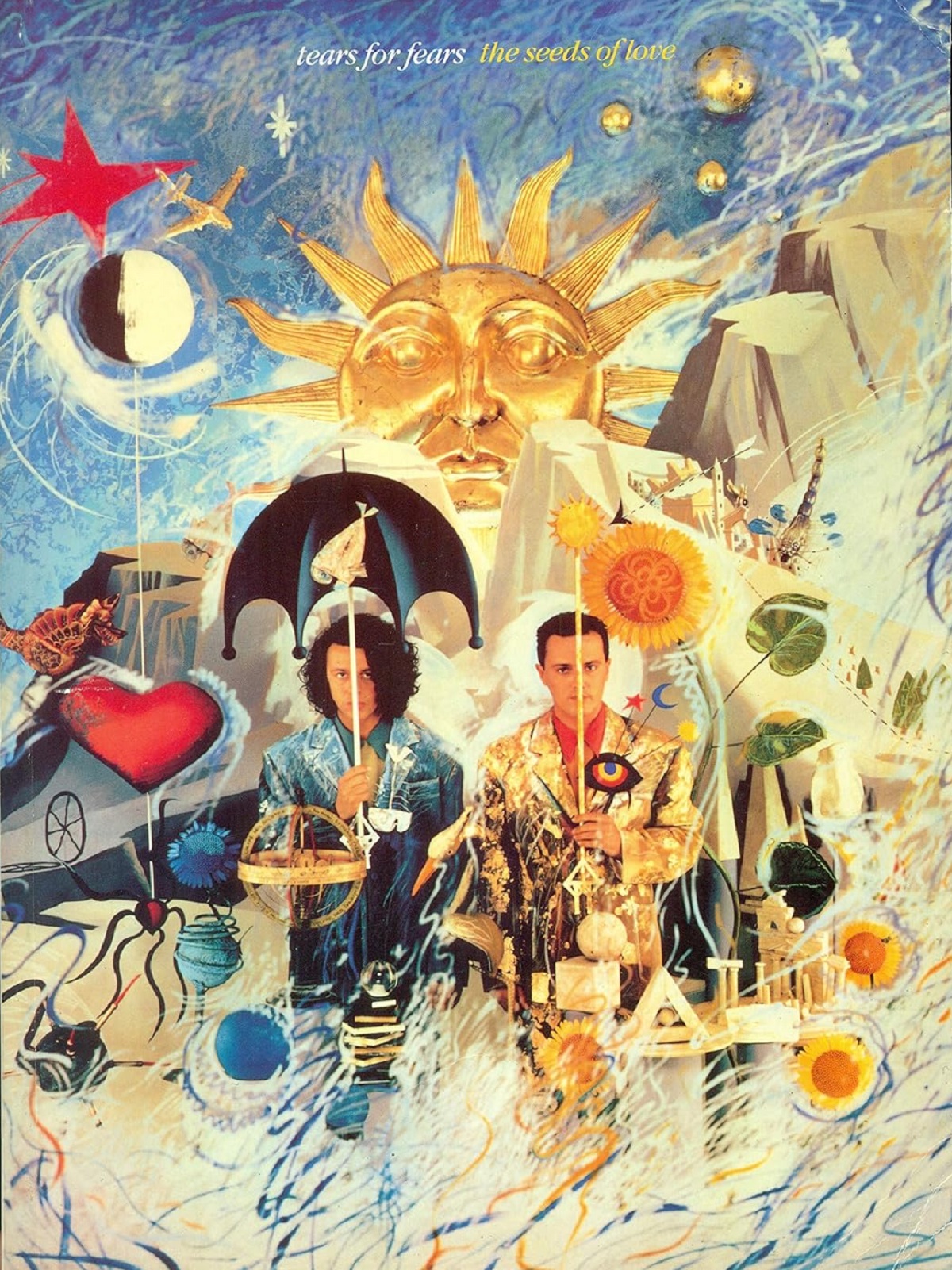
Having somehow managed to pull off an ambitious transition from Data Run-friendly post-New Romantic synth duo to stadium-straddling rock stars, Tears For Fears had been conspicuously quiet since their notorious no-show at Live Aid. Roland and Curt had been last sighted in public with an amusingly lazy rejigging of Everybody Wants To Rule The World with a couple of changed words and some extra synth brass that nobody asked for and it sounded like it as Everybody Wants To Run The World, recorded to promote the ironically non-starting attempted Live Aid offshoot Sport Aid primarily in a bid to render Bob Geldof very very moderately less grumpy. For reasons most likely not entirely unrelated to the purported imminent onset of the Second Summer Of Love, any such protracted chart absence in the mid to late eighties would invariably inspire rumours that the artist in question was or were hard at work on ‘their own personal Sergeant Pepper’, which in fairness at least in their own imaginations was generally not a fractal tunnel journey away from the truth; even Macca himself had a go with the ultimately unreleased Return To Pepperland. In Tears For Fears’ case, the massive international success of Songs From The Big Chair had led to Mercury records congratulating them with the traditional lorry load of studio time, and although work on their own personal Sergeant Pepper actually technically began in late 1986, translating the EQ board-dazzled creative vision of the music they were hearing in their minds into music that everyone else heard on tape inevitably proved more difficult than expected, and it went through a procession of abandoned sessions and quietly ‘let go’ producers – reputedly encompassing a months-long running debate about a drum sound – before they finally managed to get their eight-song psychedelic odyssey successfully in the can at Real World Studios in Wiltshire between March 1988 and July 1989. Amusingly, they were pushing up the faders just as Danny Wilson were searching haplessly around that swimming pool with the Second Summer Of Love still resolutely no closer in sight.
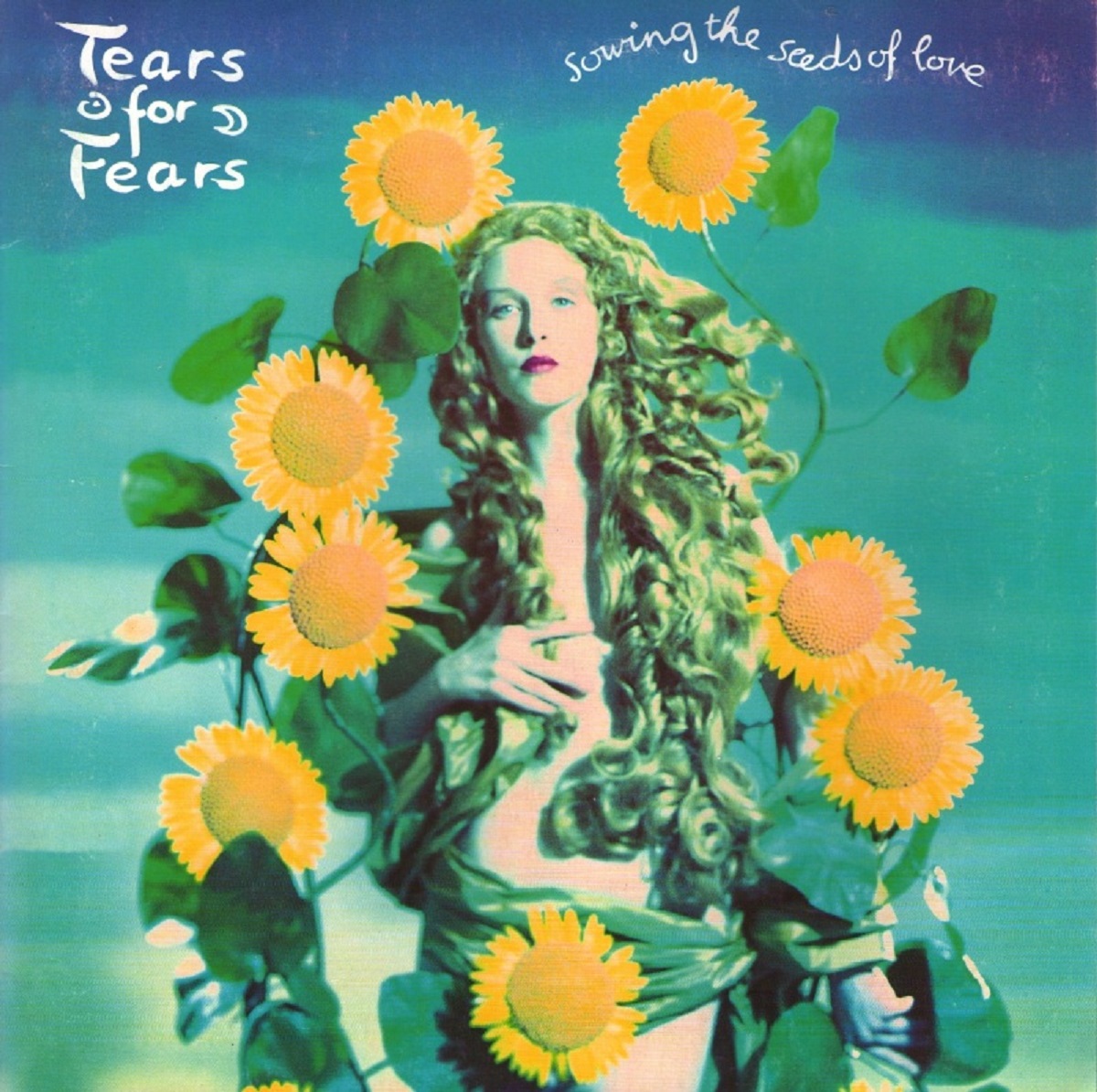
Released in September 1989 and tellingly on the Fontana imprint – recently reactivated to house Mercury’s further-out signings including Swing Out Sister, House Of Love and Ocean Colour Scene – The Seeds Of Love was in all honesty a good deal more hippy than it was trippy, leaning more towards progressive lyrical messages and an admittedly elaborate and imaginatively rendered generic sixties rock sound than in the direction of Look At Me, I’ve Fallen Into A Teapot by Cliff Wade, but this economy of Epiphone Pedals was arguably worth it on account of the fact that every last ripple of redirected reverb went into the nominal title track. Released as a curtain-raising single a couple of weeks before the album was unveiled, Sowing The Seeds Of Love opens with rushing blasts of pink noise that sound like someone is chasing a Joe Meek band with a hairdryer and from that point on is awash in jangly guitars, cosmically ricocheting backing vocals, baroque woodwind breaks, angular synth noises, gospel-inflected extemporisation, spoken word bits hidden deep in the mix, furious Hammond-hammering and Mellotron-pounding, phasing – and varispeeded phasing at that – and, of course, a huge consignment of Penny Lane trumpet. What’s more, speaking of Penny Lane, Sowing The Seeds Of Love is built around the none-more-sixties descending chord pattern technically known as Diatonic Elaboration Of Static Harmony, which you’ll hear all over the genuine article from A Whiter Shade Of Pale and For No-One to When A Man Loves A Woman and Go Now, through David Bowie’s shoulder-looking-over deployment of it in both Changes and All The Young Dudes, via eighties-refracted sixties pastiches such as Dreamtime by Daryl Hall and XTC’s The Loving, all the way to Insomniac by Echobelly which doesn’t really have very much to do with the sixties or psychedelia at all but on the other hand it is always worth reminding everyone just what a fantastic song it is. In short, as far as psychedelic influences go, Sowing The Seeds Of Love has everything including the kitchen sink, which Curt Smith once possibly only half-jokingly claimed was sampled for one of the percussion sounds. Presumably the one that they spent months arguing over.
Lyrically, however, Sowing The Seeds Of Love is an entirely different Christopher Mayhew-glugged phial of Mescaline Hydrochloride. Setting out its stall with an immediate affirmation that it is high time that we make a stand and shake up the views of the common man, it very quickly establishes itself as a very different call to arms to variety that were in common currency during the original Summer Of Love, expressing simultaneous faith in the rise of the utopian dream of rave culture and the dissipation of the dystopian nightmare of the Eastern Bloc rather than being sure to wear some flowers in your hair, and that’s only the first verse. In the second they really go full tilt on-the-bus-or-off-the-bus, lamenting the lot of the global citizens they spy with tears in their eyes looking to the skies for some kind of divine intervention, taking a swipe at the politician granny with her high ideals – Margaret Thatcher had informed a significant percentage of the populace that hadn’t voted for her earlier that year that “we have become a grandmother”– who has no idea how the majority feels, expressing a hope that ‘we’ will no longer be fools to the rules of a government plan, and even exhorting a hapless Paul Weller to return to his agit-prop roots and indeed kick out the style and bring back the jam. The middle section encourages everyone to open their minds and talk about their pain and anxiety, before becoming bafflingly repetitively fixated on the imperative to read, not least those books that are in crannies and nooks, before the notorious concluding assertation that “every minute of every hour, I love a sunflower”; whether this was in reference to a lone singular sunflower is sadly never clarified. More importantly, however, just as Sowing The Seeds Of Love is fading out, it issues a plea for “an end to need, and the politics of greed, with love”. It may not be candy kisses on a sunny day while Dear Jessie sees the roses falling on the Love Parade, or observing acid on the radio acid on the brain acid everywhere you go and acid in the rain, or asking if it shows that all that I wanna do is be madly in love with you, or singing the praises of the girls with the curls in their hair the buttons and the pins and the loud fanfares, or even pleading please don’t tell her that you caught me crying ca-a-a-ght me cra-hy-ing don’t let her know what’s really on my mi-i-ind-WOO don’t ask me how I’m feeling now tell her from me I’m doing fine, but sometimes the most profound and powerful statements are the simplest ones. He really did love that sunflower, though.
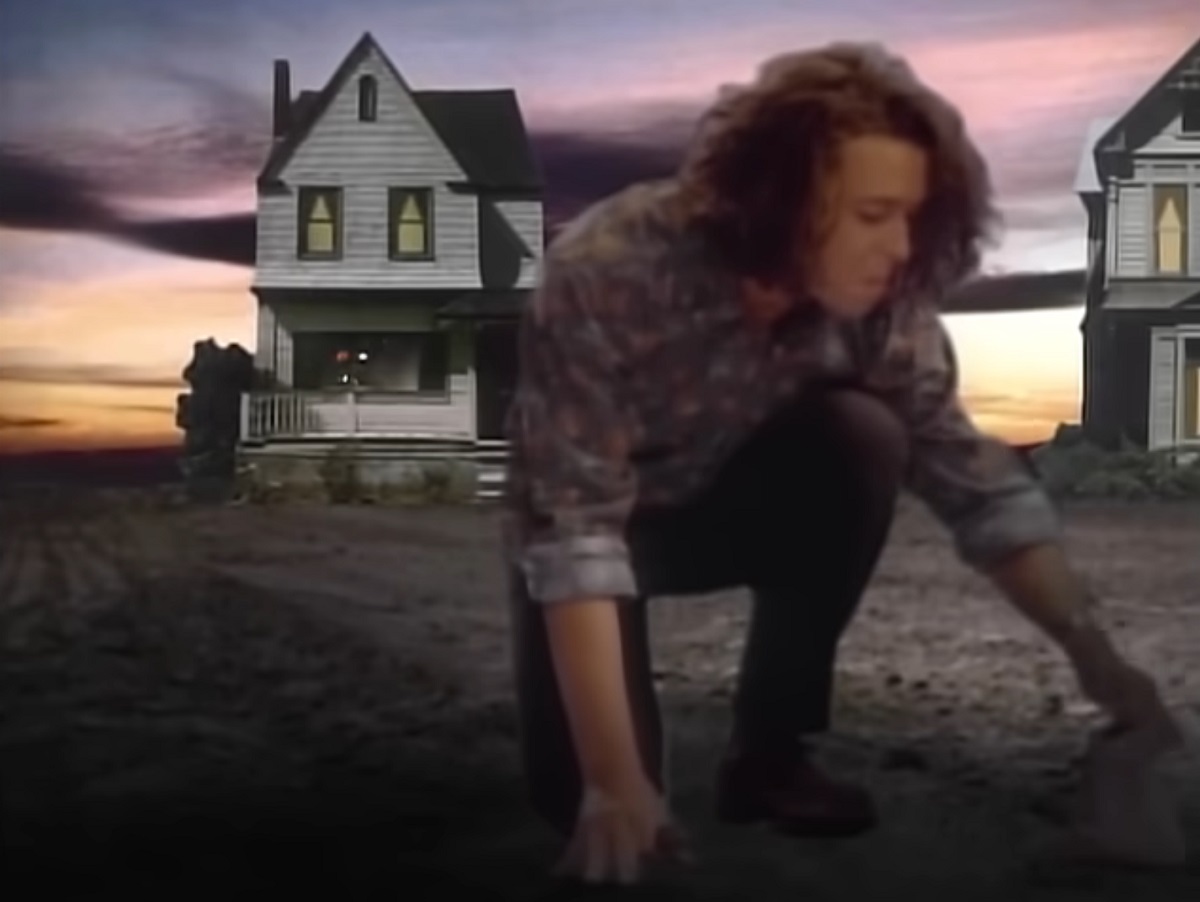
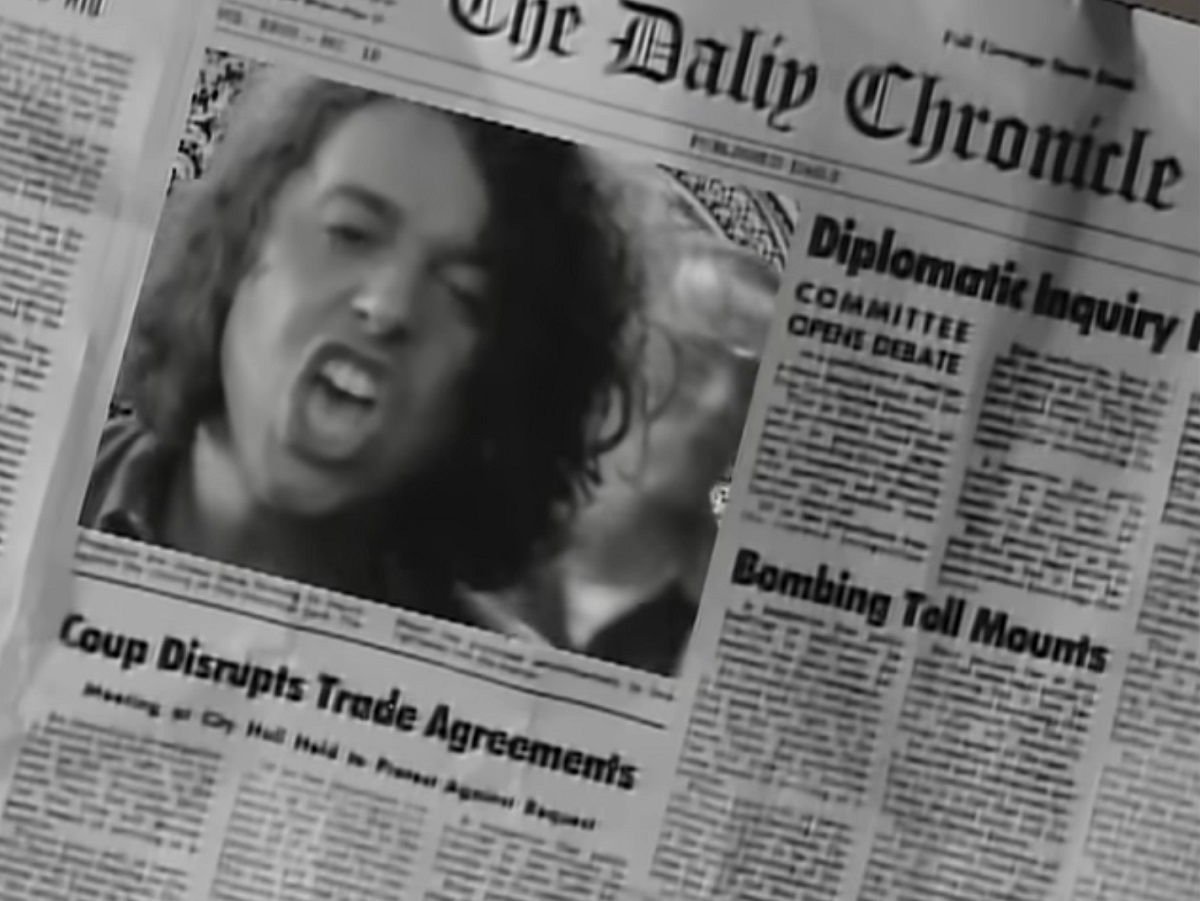

Helped in no small part by an expensive state of the art video in which Roland and Curt lip-synch their way through a maze of whirling planets, clouds, guitars, fish, hands with optical illusions on them, paisley wallpaper, newspapers, cardboard boxes, brass map things, drinking birds, sunflowers, animated thingymajigs off of a late eighties ‘Tonight… On BBC2!’ trailer and hovering blonde women that looks somewhere between an Enya video and Sylvester McCoy-era Doctor Who, Sowing The Seeds Of Love stormed into the top five on both sides of the Atlantic in September 1989; it’s also worth noting that it was originally released as a single in its five minute plus entirety leaving radio presenters starting to wonder if they should think about talking while fading it out somewhere around the trumpet solo, and that the literal curt edit you will hear on the radio now where it cuts abruptly from the second chorus into the Hammond Organ bit is an utter revisionist historical falsehood that should be forcibly legally barred from all automated playlists. The Seeds Of Love itself was an equally enormous success, even despite the best efforts of those kids in school who scoffingly pointed out that Sowing The Seeds Of Love sounded exactly like a Beatles song that their brother had said it sounded like and they didn’t know what song it was but it was exactly like it in blithe unawareness of the fact that if anything, it sounded far closer to A Saucerful Of Secrets-era Pink Floyd.
As Woman In Chains, Advice For The Young At Heart and Famous Last Words drew progressively lower chart placings, however – oddly, the sweeping and deeply psychedelic retelling of the story of Sid Vicious and Nancy Spungen Swords And Knives, which even included backwards-but-forwards snatches of Sowing The Seeds Of Love in the arrangement, was apparently never even considered as a single – Roland and Curt were displaying scant evidence of the ‘love power’ that they had so vigorously claimed to believe in; amidst what were for once actual creative differences, Johnny Panic And The Bible Of Dreams – originally the b-side of Advice For The Young At Heart – sneaked out as a remixed rave track, and two years later a Curt-less Roland reworked Sowing The Seeds Of Love‘s flipside Laid So Low (Tears Roll Down) as a hit single in its own right to promote the confusingly titled greatest hits album Tears Roll Down. It would be more than a decade before they worked together again. Meanwhile, poor old Paul Weller had already kicked out the style and brought back the jam before they even asked him to, but found that nobody else was listening. Polydor had refused to release The Style Council’s final house music-influenced album Modernism: A New Decade the previous year, fearing that it was too different and new and dangerously propagative of notions of peace and love and unity to sell to those blokes still wandering around school fairs wearing Lonsdale sweatshirts, and he saw in 1990 without a band or a record deal trudging around small venues toting an experimental fusion of Acid Jazz and sixties guitar pop on a brand new set of songs that included the tellingly-titled Here’s A New Thing. Other than Guru Josh, who technically fulfilled his declaration that 1990 was Time For The Guru to the letter, it’s difficult to think of anyone who approached bidding good riddance to the eighties and the fresh opportunity for reinvention of a new decade with greater enthusiasm and optimism.
So maybe when everyone was rushing around – and in Danny Wilson’s case, speeded up and backwards too – searching for the Second Summer Of Love, they were concentrating their transcendental energies on entirely the wrong season altogether. The eighties were not the sixties, no matter how much the Breakfast Time team may have wished that was the case on any given slow news day, and nobody really felt any particular desire to turn on, tune in and drop out; even the neo-harmony fuelled rave movement, it should not be forgotten, was founded on essentially nothing other than dancing until daybreak in single-minded pursuit of the groove. What they wanted was something that any given indeterminate summer that might or might not turn out to be ‘of love’ could not give them, but the blustery darkening months as a brand new decade cranked ever closer most certainly could – the forward momentum of an at the very least symbolic sense of a line drawn under the uncaring and divisive politics of the previous decade; or, if you will, and end to need, and the politics of greed, with love. No record captured that dislocated anticipatory feeling of moving forward very slowly while standing still very fast more effectively than Sowing The Seeds Of Love. Well, apart from Get Up! (Before The Night Is Over).

Buy A Book!
You can find much more about the actual Summer Of Love, along with some thoughts on what cultural shifts took place when the sixties tipped over into the seventies, in Keep Left, Swipe Right, available in paperback here or from the Kindle Store here.
Alternately, if you’re just feeling generous, you can buy me a coffee here. Better not go for Café Bleu though.
Further Reading
It may not have very much to do with Tears For Fears other than being broadcast while Sowing The Seeds Of Love was in the charts, but you can find more about what happened when Michael Palin made his way back to London at the conclusion of Around The World In 80 Days in Like The Jolly Christmas Lights Of Regent Street, They Are To Prove Sadly Deceptive here.
Further Listening
You can find Katy Brent’s hapless tale of trying to get into the Second Summer Of Love vibe by wearing a Global Hypercolor t-shirt in Looks Unfamiliar here.

© Tim Worthington.
Please don’t copy this only with more italics and exclamation marks.
 Tim Worthington