
Regular readers may well have noticed that I have a tendency to reference the obscure late sixties BBC radio and later television panel game The Tennis Elbow Foot Game in pretty much any discussion of the late sixties full stop. This may well be at the very least intended as a running gag, but it is far from a ‘joke’. I am genuinely fascinated by this more or less figuratively and literally lost high speed word association volley that was intended as elevated and highbrow fun in much the same way that QI is now, and attracted both haughty theatrical veterans and up and coming off-centre comic talent in their droves for a quick game, set and match of adjective-lobbing. This fairly rudimentary look at the story behind the show in both of its incarnations was putatively written for a long-abandoned book which would have been called The Listener and which would have taken a look at an assortment of radio shows and their modern day cross-platform equivalents that had an interesting backstory or context as opposed to being necessarily recognised as ‘landmark’ programmes as such, with corresponding entries on Hardluck Hall, The Hordes Of The Things, Alexei Sayle And The Fish People, Samantha’s Sunday Party, Cult Radio, The Collings And Herrin Podcast and Bridget Christie Minds The Gap amongst others. The Listener would fall by the wayside or indeed off the dial as other projects took precedence and eventually large parts of it were effectively subsumed by some of those precedence-taking other projects – not least the history of comedy on BBC Radio 3 The Larks Ascending which you can find more about here, and a chat about The Collings And Herrin Podcast on Looks Unfamiliar here – but I’d always felt inexplicably fond of this fairly rough tryout for a book that didn’t happen, possibly because the attempt to cobble together its story out of whatever scant information was to hand reminded me of those long-lost days of hammering together a fanzine out of folded paper, typewriter ink and staples. Incidentally, you can also find a slightly longer version of this in Keep Left, Swipe Right, available in paperback here or from the Kindle Store here. Anyway – your starting word is ‘despite’…
Despite his success as part of the team behind I’m Sorry I’ll Read That Again, by 1965 David Hatch was keen to move into a production role. After helping out with the Light Programme’s pop-driven magazine show Roundabout ’65 – a role that would continue through to 1966 – he was given the opportunity to work on a new series collecting themed comedy clips from the archives. I Didn’t Arf Laugh, as the show was eventually named, was an eclectic affair that enjoyed considerable popularity, and led to his being given stewardship of the Home Service’s youth discussion show Cabbages And Kings later in the year. In the New Year he joined the production team of Roundabout ’65‘s nocturnal counterpart Late Night Extra, and throughout this time continued to write and perform in countless editions of I’m Sorry I’ll Read That Again, setting the template for a driven approach that would characterise his career at the BBC.
Devised by David Hatch with Norman Hackforth, The Tennis Elbow Foot Game was essentially a word association game that closely adhered to the rules of actual tennis, with contestants batting linked words back and forth in time to a bleeping electronic loop that sped up as the ‘set’ went on. If you’re thinking that this sounds familiar, that’s because when Hatch was later producing the pilot for a certain new improvisation-based panel game, he introduced a simplified and modified – and, frankly, inverted – version of The Tennis Elbow Foot Game into proceedings. Weathering occasional changes in name, Word For Word quickly became a popular regular round in I’m Sorry I Haven’t A Clue, and continues to be one of the most hotly contested games for The Teams to this day.
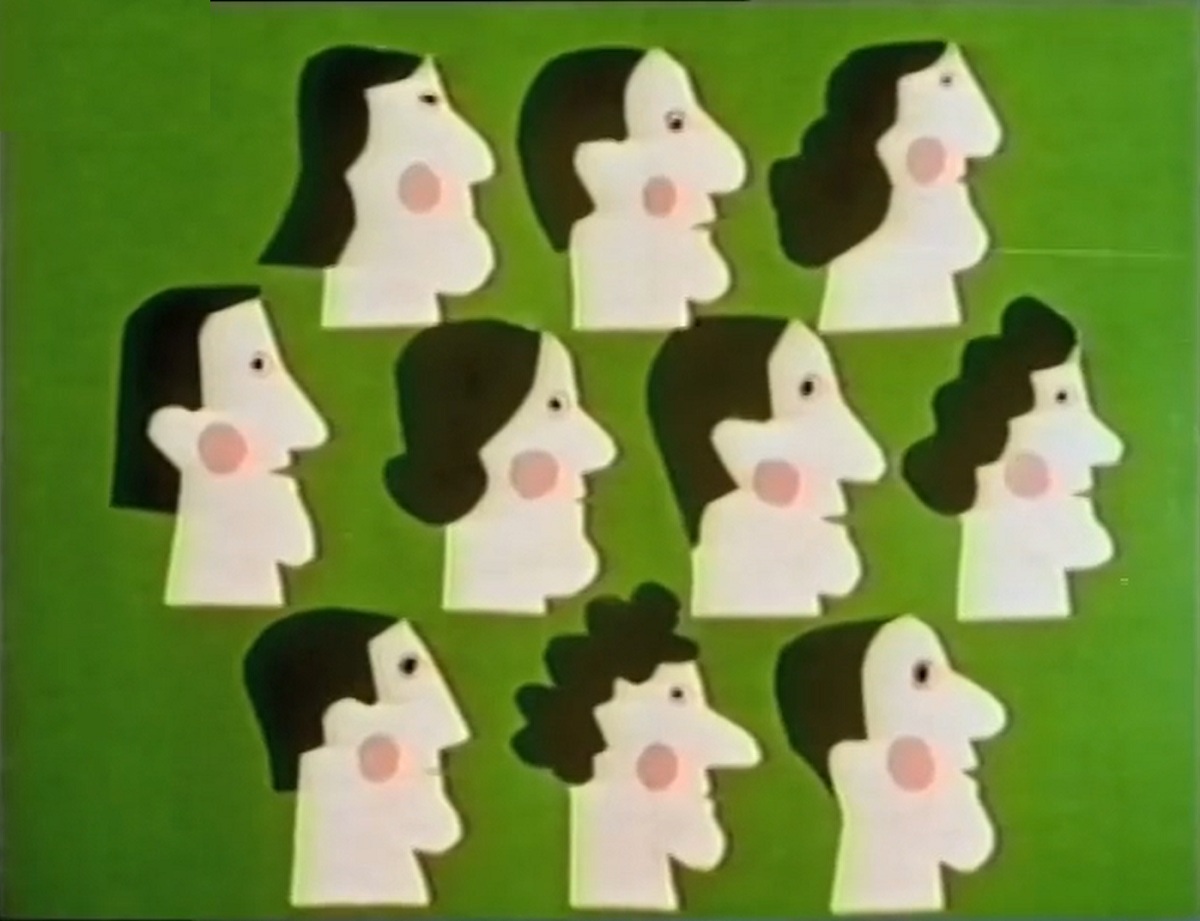
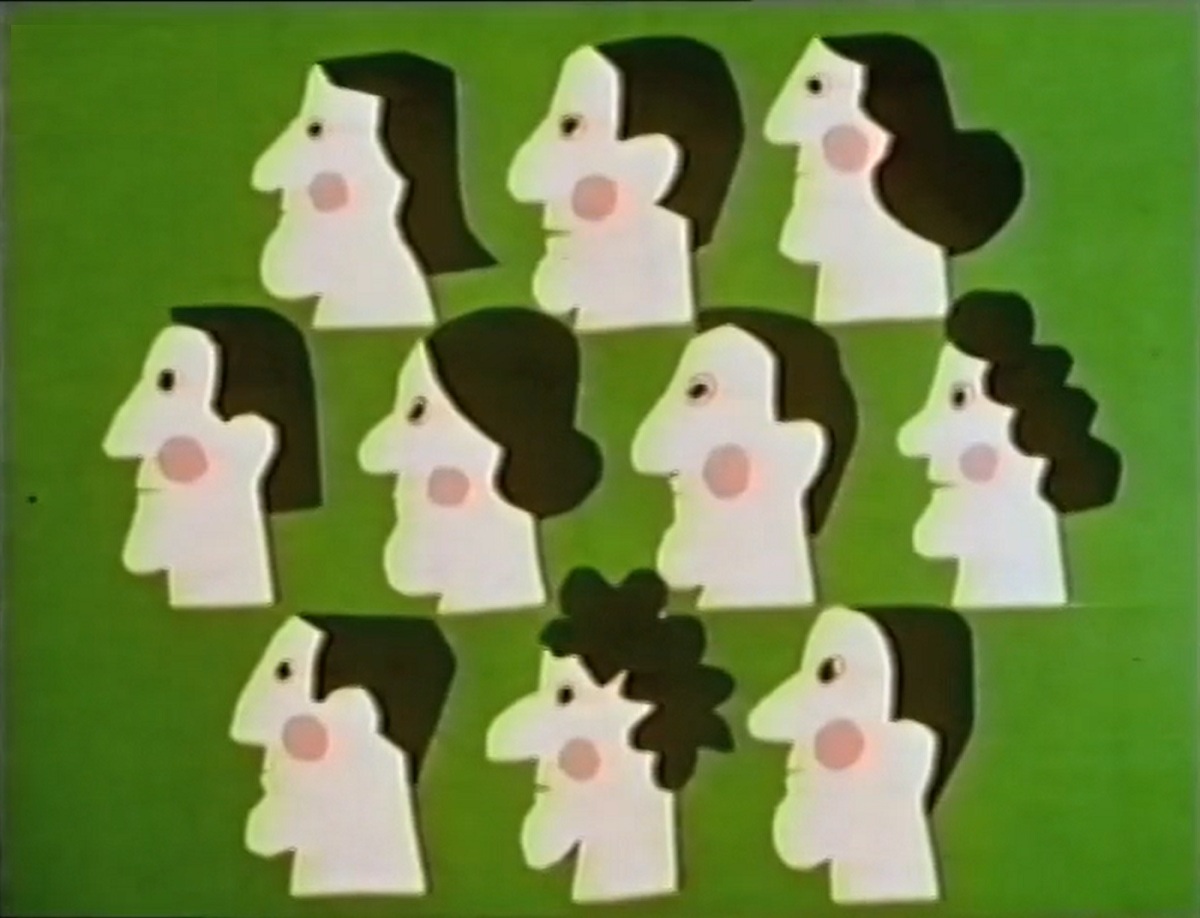
Following an unbroadcast pilot recorded in April 1966 and produced by Humphrey Barclay, The Tennis Elbow Foot Game began a twelve-week run on the Home Service on 4th October 1966, in a 12.30pm slot on Tuesdays; while this might sound like an odd place in the schedules nowadays, lunchtime radio was in fact a very big deal indeed in a time of less distractions and less mass entertainment, and large numbers of workers would crowd around transistor radios for a laugh along with shows like this. Norman Hackforth formed part of a quartet of regular panellists with actress Sheila Hancock, journalist Olga Franklin and humourist Paul Jennings while Max Robertson, a veteran BBC Sports commentator, acted as chairman. Famed for his lively and informal style – he had, significantly, been brought in to add a ‘human’ touch to the BBC’s coverage of important occasions such as the Coronation of Queen Elizabeth II – he was an inspired choice and brought an energy that audiences may not have been used to in this kind of show, especially in his good-natured arguing with the panel. The five enjoyed a tremendously strong rapport and found strong comic interplay from the off, although it would be Olga Franklin who proved to be the surprise favourite with the audience, delighting listeners with her increasing exaggerated hysteria and vehemently-stated determination to win. Recorded at the BBC’s Paris Theatre in front of a raucous audience, this was very much the sound of radio emerging from its more restrained past, and panel shows finally catching up with the stylistic leaps and bounds that its near neighbours in sketch comedy had made several years previously. As if to emphasise this, the show was given an up to the minute electronic theme tune, and corresponding ‘metronome’ loop for use in the game, by John Baker of the BBC Radiophonic Workshop.
Broadcast on 27th December 1966, the final edition of the first run of The Tennis Elbow Foot Game had lent itself an ‘end of term’ feel by bringing on real-life Tennis champions Nell Truman and Dan Maskell to volley an unexpected ‘special challenge’ at the panel. This worked extremely well, reportedly causing proceedings to collapse into chaotic laughter more than once, and the feature was to become a permanent fixture when The Tennis Elbow Foot Game returned for a second twenty-six week run on 14th November 1967. By now, the Home Service had been replaced by Radio 4, and while the shows still went out on Tuesdays, they were now half an hour earlier. David Hatch produced the first few shows of the run, but was replaced for the remainder by a rotating team of David O’Clee, Tony Luke and Bill Worsley. Robertson, Hackforth, Hancock, Franklin and Jennings all returned – although children’s writer Elizabeth Beresford deputised for Hancock on a couple of occasions, and actress Fenella Fielding filled in permanently for the last third of the run – joined by a variety of guest doubles including Prunella Scales and Derek Nimmo, Michael Aspel and Richard Baker, Marjorie Proops and Godfrey Winn, David Langdon and Brian Boothroyd, Jean Metcalfe and Brian Matthew, Richard Murdoch and Beverley Nicholls, Kenneth Horne and Barry Took, Kenneth Williams and Hugh Paddick, Humphrey Lyttleton and Antony Hopkins, Ted and Robin Ray, Sheila Scott and Kenneth Wolstenholme, Joy Adamson and Anona Winn, David Jacobs and David Symonds, Leslie Crowther and Peter Glaze, and – most unlikely of all – The Duke And Duchess Of Bedford.
Under the stewardship of experienced producer T. Leslie Jackson, whose previous credits included lengthy stints at the helm of panel shows like What’s My Line? and Call My Bluff, a pilot for a television transfer of The Tennis Elbow Foot Game was recorded for BBC2 in January 1968, featuring the original radio line-up. All concerned felt that this had not really worked but was still an idea worth pursuing, and with suitable modifications made, a second pilot – this time with actress and regular Just A Minute and Many A Slip panellist Eleanor Summerfield replacing Sheila Hancock – was made in June and considered a resounding success. With Summerfield now installed on a permanent basis, The Tennis Elbow Foot Game – billed not unreasonably as ‘the fastest game on television’ – began a twelve week run on BBC2 in colour from 14th July 1968. Several guest doubles from the radio version returned including Leslie Crowther and Peter Glaze and Hugh Paddick and Kenneth Williams, alongside newcomers including Sylvia Sims and Marianne Stone. Although certainly popular with a regular audience, The Tennis Elbow Foot Game failed to find a wider audience and did not return the following year.
Surprisingly, only one edition of The Tennis Elbow Foot Game – originally broadcast 16th January 1968 – now officially exists in the BBC Archive, although it’s entirely possible that the versions issued for overseas sales by BBC Transcription Services may still also exist elsewhere. Equally surprisingly, though in a more positive sense, a lone edition of the television transfer – broadcast 1st September and featuring guests Leslie Crowther and Peter Glaze – still exists on its original colour videotape.
Buy A Book!
You can find an expanded version of The Tennis Elbow Foot Game along with a good deal more on other similarly overlooked radio shows in Keep Left, Swipe Right, available in paperback here or from the Kindle Store here.
Alternately, if you’re just feeling generous, you can buy me a coffee here. Coffee… Mug… Mug… Shot… Shot… Glass… Glass… Ceiling… Ceiling… Tile… Tile… Tile… [THWACK]
Further Reading
They don’t actually mention The Tennis Elbow Foot Game, but The Beatles had a lot to say about what they’d been watching on BBC2 during the making of Get Back, and you can find a look at some of the shows behind the inter-song chats in Did You Watch The BBC2 Thing? here.
Further Listening
There’s tons more about similarly obscurely esoteric and intellectual laughs on the radio in a Looks Unfamiliar special devoted to Radio 3 comedy here.
© Tim Worthington.
Please don’t copy this only with more italics and exclamation marks.
 Tim Worthington