This was originally commissioned for, and then not used by, a music magazine and I’ve reused it in more or less its original form here. Which is why it might feel a little structurally atypical and light on the expected deep dives on the career of The News and what have you, but I quite like it as it is so there you go and indeed here you are. If you’re looking for a version of this with some of those ‘deep dives’ on Adam Adamant Lives! and plenty more besides, not to mention the boxouts that would have originally accompanied this feature, then you can find all that and more in Keep Left, Swipe Right, available in paperback here or from the Kindle Store here.
You wouldn’t expect the BBC’s most hip and switched on television show of 1966 to be about a dashing and well-mannered Victorian gent, but that’s exactly what Adam Adamant Lives! was. Created by original Doctor Who production team Sydney Newman and Verity Lambert, the series followed the adventures of Gerald Harper as Adam Adamant, a nineteenth century crime fighter who had been tricked into suspended animation by his arch enemy ‘The Face’. Accidentally discovered and revived by builders demolishing an old property, Adam returns to his old pursuits in the thick of Swinging London, navigating a confusing world of electrical appliances and unisex fashions with the aid of his shifty valet Simms (Jack May) and nosey Mod girl Georgina Jones (Juliet Harmer). If you’re thinking that all of this sounds a bit similar to the exploits of one Austin Powers, then you’re definitely thinking along the right lines.


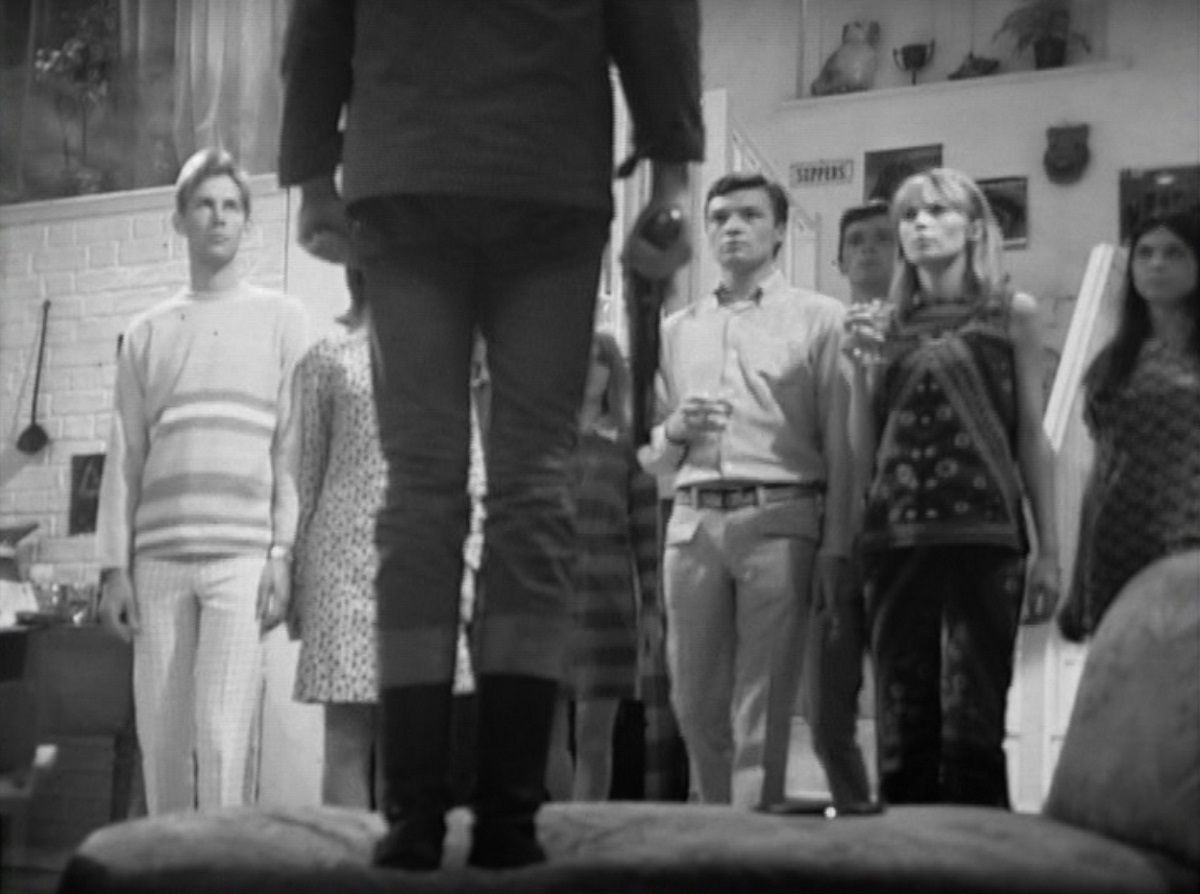
Although Newman and Lambert were inspired to create the character by their view of outspoken ‘Clean Up TV’ campaigner Mary Whitehouse, Adam was a good deal more sympathetic to the freedom and liberation of the mid-sixties. With Georgie’s friends, fashions and hangouts often playing a key role in the storylines, Adam Adamant Lives! was never too far away from flashing lights, trendy nightspots, pop art designs and rowdy Hammond Organ grooves. This was never truer than with Sing A Song Of Murder, episode nine of the first series, broadcast by BBC1 on 25th August 1966. Written by John Pennington and directed by Moira Armstrong, who had worked on such key television productions as The Wednesday Play and The Newcomers, it’s a clever tale about fashion-conscious youngsters – including Georgie and her gang – being influenced into committing crimes by subliminal frequencies hidden in discs they’ve received from the Hypersonic record club. Hypersonic’s mild-mannered arranger – who bears absolutely no resemblance to any prominent pop managers of the time – aims to use the technology to amass a huge personal fortune, while the engineer has more alarming ambitions and intends to turn it into a weapon to rival the neutron bomb. As the duo have also figured out what sounds are more pleasing to Adam’s beat-averse ear, staying out of their influence long enough to stop them is not exactly going to be easy.


Rumours about the effectiveness of subliminal messages hidden in films, radio and television programmes date back to the forties, although experiments conducted in the late fifties resulted in contradictory findings. Surprisingly, given the panic that had dogged rock’n’roll ever since CBS declined to show Elvis Presley from the waist down, there’s very little evidence that anyone had expressed similar concerns about pop music before then. Great minds clearly think alike, however – in an amusing coincidence, the Johnny Speight-scripted feature film Privilege, starring Paul Jones as a pop star used by the authorities to influence the electorate, was in production around the same time as Sing A Song Of Murder. Not long afterwards, people started to suspect that The Beatles were sneaking cryptic messages into their songs in reverse, and listening to your records backwards would never be the same again.

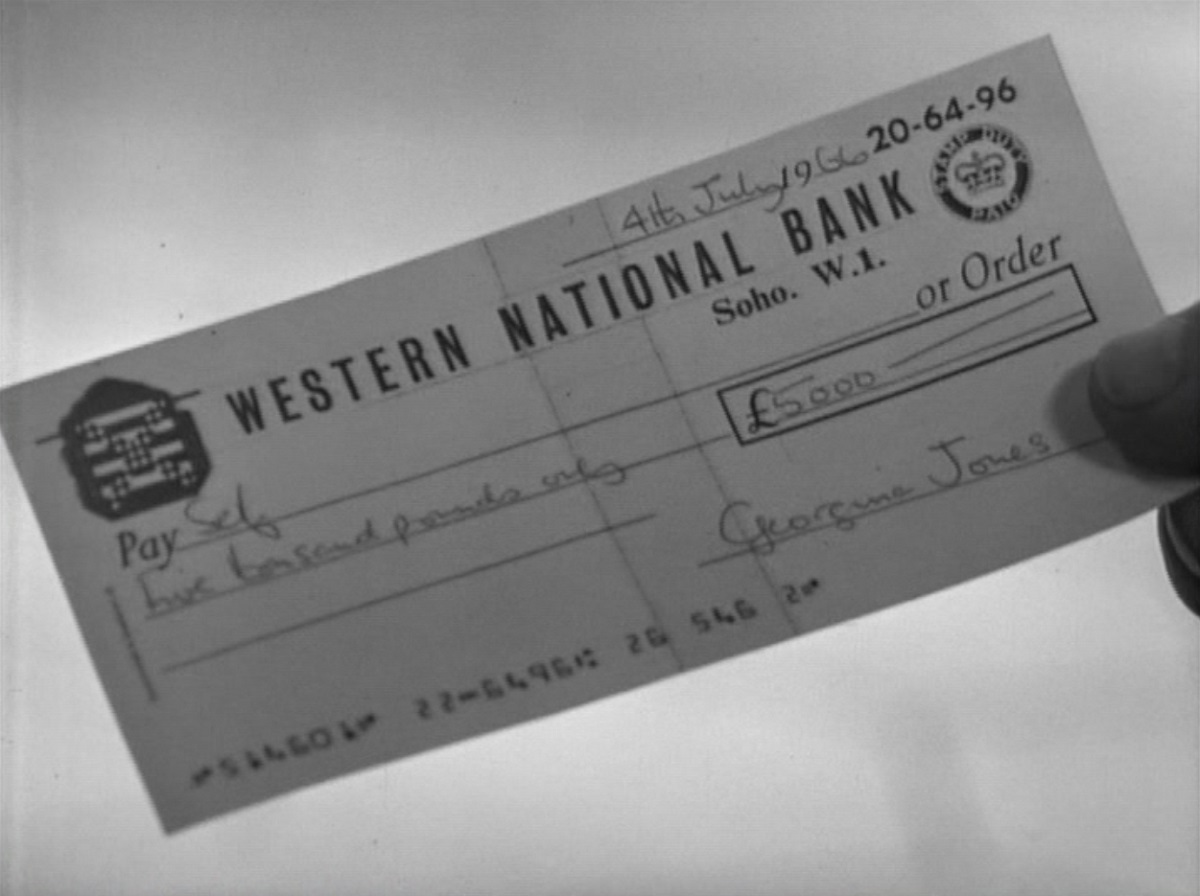
Heard throughout the episode, Hypersonic’s big hit disc is This Is The Moment, a catchy pop-soul ballad written by sixties hitmaker Chris Andrews. Although distinguished by some neat organ tones, it’s noticeably more subdued than the hits that Andrews penned for Adam Faith and Sandie Shaw, presumably as a deliberate move to fit in with the subliminal themes of the storyline. Also heard spinning on a few turntables is a vaguely psychedelicised reworking of Ya Ya Da Da, another of Andrews’ songs previously recorded as an uptempo stomper by Sandie Shaw. The fact that The Yardbirds’ Still I’m Sad had been released between these two surprisingly different takes on the same song may not be a coincidence. Elsewhere, a couple of brief yet fuzzy and pounding snatches of Hideaway by Dave Dee, Dozy, Beaky Mick and Tich add a connection to the real world pop scene. It has to be admitted that this shows up the specially recorded tracks a little.
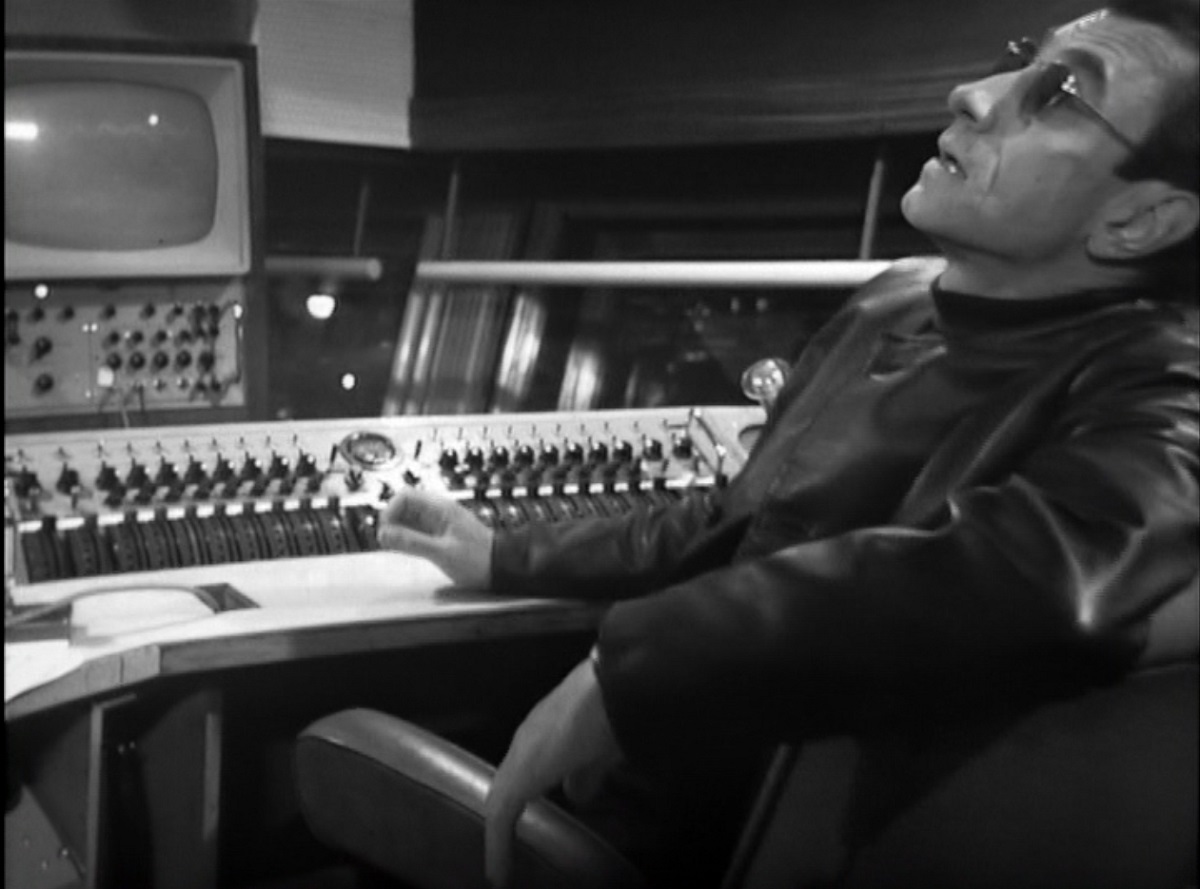

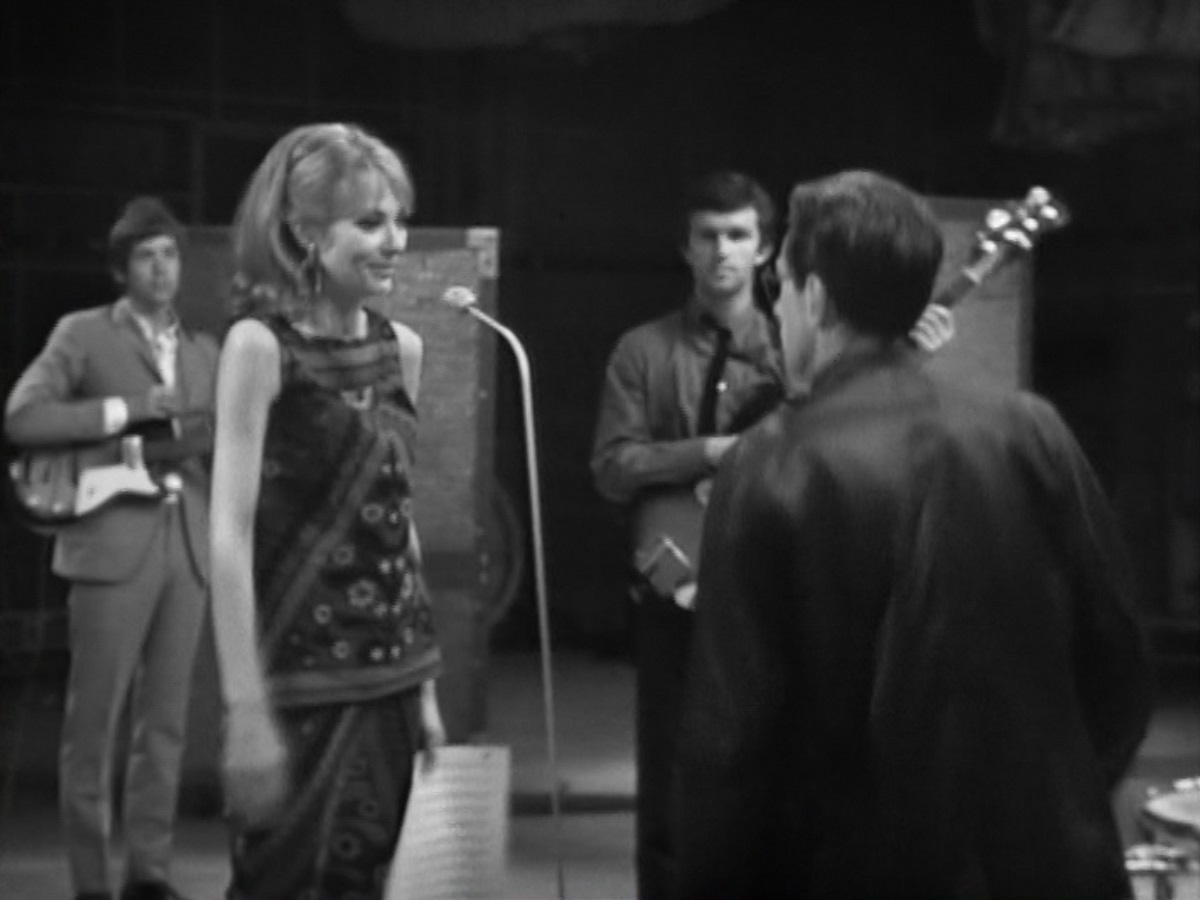
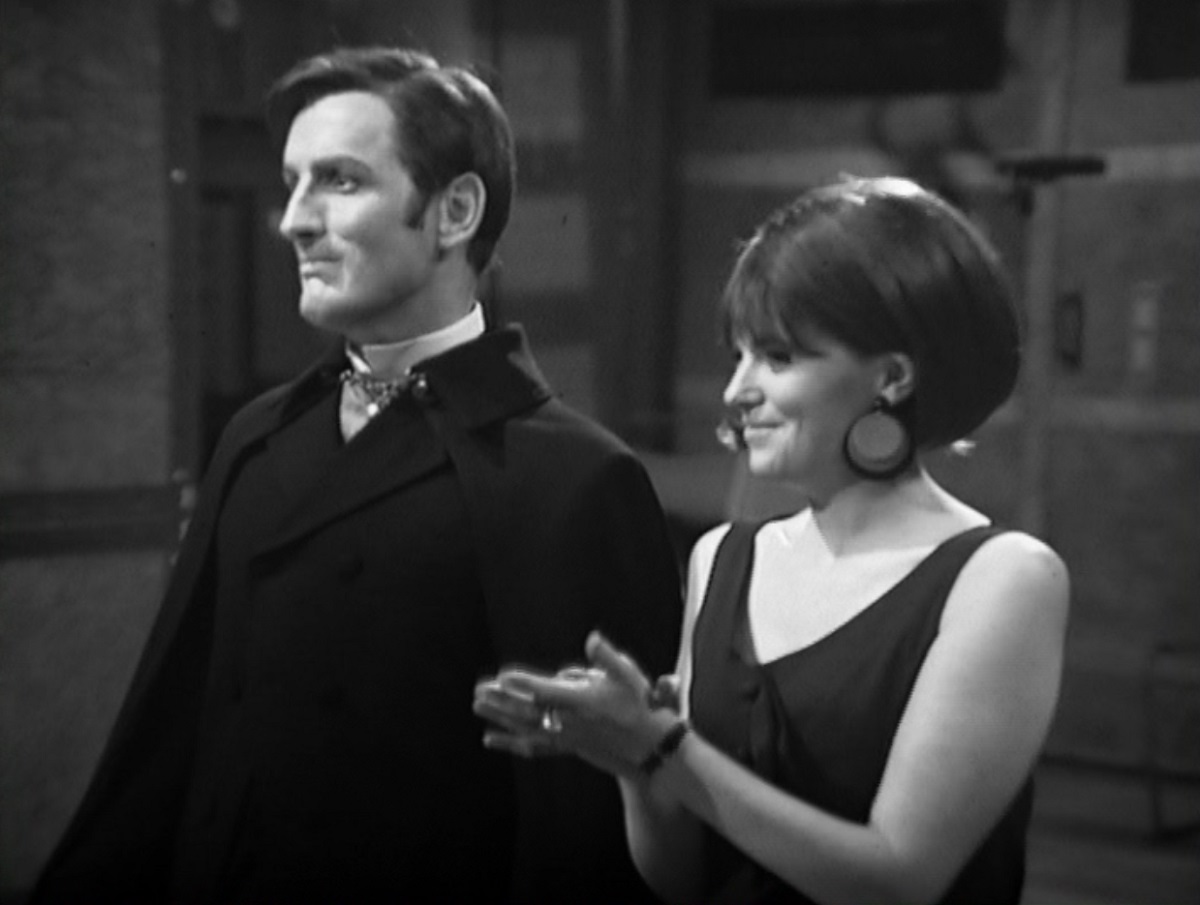
Although a bunch of sharply-dressed extras mimed to it onscreen, This Is The Moment was actually performed by The News. This Norwich-based outfit were fronted by Peter Miller, whose solo cut Baby I Got News For You is hailed as one of the first UK Psych singles, and their cover of Northern Soul favourite Tony Clarke’s hit The Entertainer is well regarded by beat enthusiasts. This Is The Moment sounds somewhat restrained in comparison, but it was released as their second and last single as Decca F 12477, with Ya Ya Da Da on the b-side. Although the label drew attention to the fact that it was ‘featured in the BBC TV series “Adam Adamant”, the single appears to have attracted little interest and sank without trace. Perhaps DJs were just worried about how it might have affected listeners.

With the mismatched trio also running up against crooked nightclub owners, homicidal tailors and a spiritual guru with something other than enlightenment in mind, the first series of Adam Adamant Lives! was a hit with viewers. A second run in 1967 wasn’t quite as popular, and Adam never quite got to wrestle with full-blown psychedelia. Although many of the BBC’s biggest hits of the decade were wiped shortly after transmission and most likely lost forever, the first series of Adam Adamant Lives! was actually edited on and broadcast from film rather than videotape, with the result that all bar one instalment survive along with two from the second series. Not only that, but the BBC also managed to hang on to a production reel from Sing A Song Of Murder featuring alternate takes and unused scenes. You can now find this as an extra on the DVD release of Adam Adamant Lives!, alongside the episode itself, and the full versions of This Is The Moment and Ya Ya Da Da playing over the photo gallery.

You might not have to rely on demolition work to excavate it, but Sing A Song Of Murder is well worth bringing out of suspended animation for a fresh viewing. As well as being one of the truest depictions of the mid-sixties pop scene and London clubland, it’s also exciting and tremendous fun.

Buy A Book!
You can find an expanded version of Sing A Song Of Murder, complete with a look at the surprisingly extensive catalogue of Adam Adamant Lives!-related tie-in pop singles, in Keep Left, Swipe Right, available in paperback here or from the Kindle Store here.
Alternately, if you’re just feeling generous, you can buy me a coffee here. Just be wary of what music the café has on in the background.
Further Reading
You can find more of my thoughts on Adam Adamant Lives! and the revival series of audio plays by Big Finish in A Slight Case Of Reincarnation here, and there’s also a look at the notorious ‘drug party’ episode of Gerald Harper’s post-Adam Adamant Lives! series Hadleigh in It’s A Well-Worn Scene, Man here and at one of the few surviving instalments of The Newcomers in A Story Of A London Family Adapting To Life In A Country Town here.
Further Listening
There’s tons more about plenty of other tenuously Doctor Who-adjacent shows in Doctor Who And The Looks Unfamiliar here.
© Tim Worthington.
Please don’t copy this only with more italics and exclamation marks.
 Tim Worthington